Overview of Which outliers in the 2026 class are worth drafting?
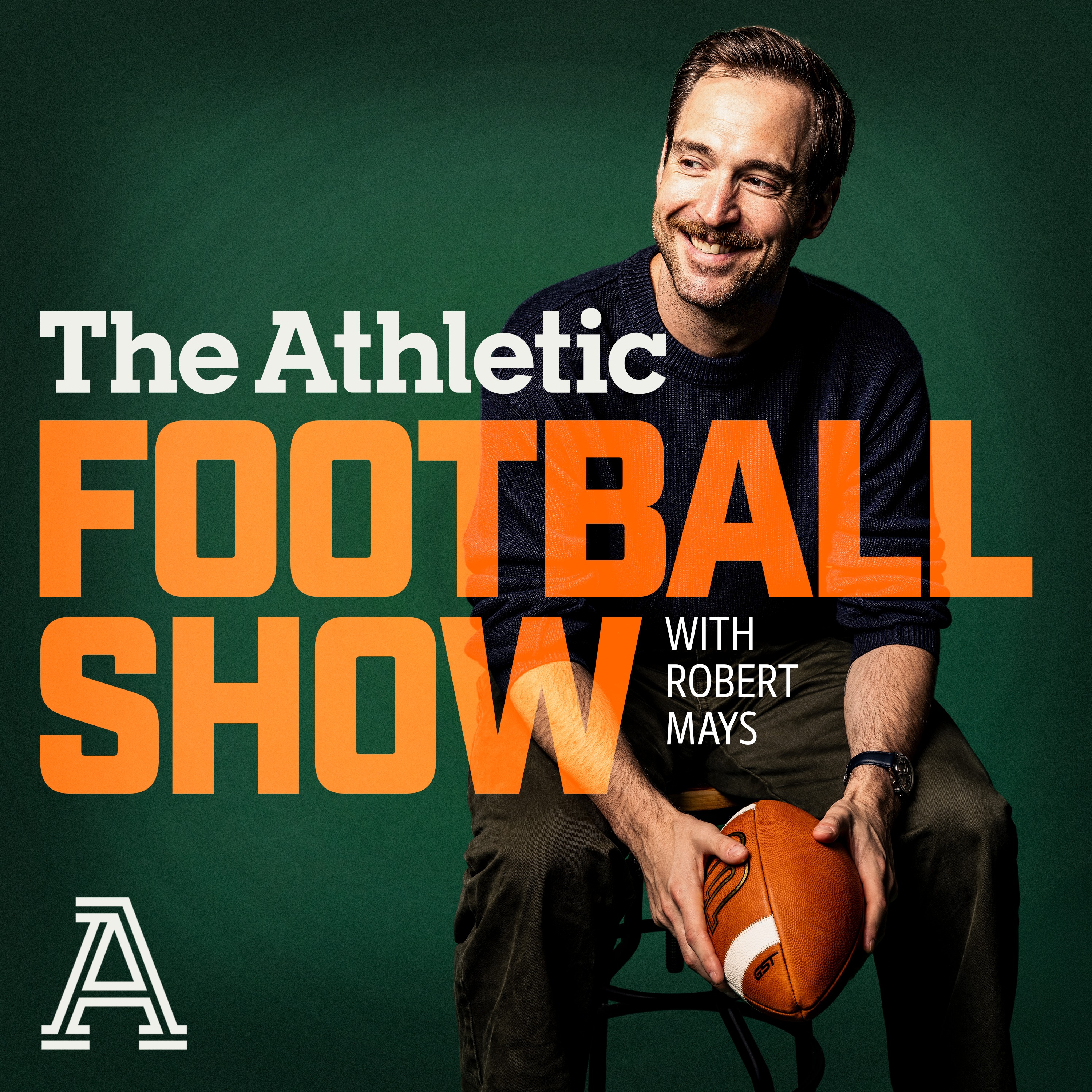
Episode from The Athletic Football Show (host Robert Mays, guests Derek Lassen and Dave Hellman). The conversation centers on the unusual makeup of the 2026 NFL Draft class: fewer clear elite, “prototype” prospects at the top and a larger number of high-upside players who are physical or production outliers. The hosts debate whether this is a “bad” draft or simply a different one, and then walk through several top-15 names who force teams to choose—do you compromise on measurable traits, size, age or sample size because of exceptional tape, instincts or scheme fit?
Key takeaways
- This class has many outliers: players who don’t fit historical physical prototypes (short arms, undersized, older, limited testing or missing a recent season) but who may still be high-impact NFL players.
- The central question teams must ask for every outlier: “Why are we compromising on this player?” — and is that compromise worth the pick cost?
- Measurables matter because draft cost and positional value (and subsequent contracts) are structured around them; production and scheme fit can justify deviations, but teams must be explicit about the trade-off.
- There are fewer “clean” top-10 prospects across premium positions (edge, tackle, WR) this year; that increases variance and forces teams into risk/reward decisions earlier in the draft.
- Scheme fit and coaching environment (e.g., McVay/Shanahan-style offenses) can materially alter a prospect’s NFL outlook and thus the fairness of drafting an outlier high.
Outlier players discussed (summary + what makes them an outlier)
-
Reuben Bain (DE/EDGE, Miami)
- Why he’s an outlier: elite tape—powerful run defender and productive pass rusher—but extremely short arm length for an edge prospect and a squatty, non-prototypical frame for a top-10 edge.
- Case for drafting: dominant game tape (pressure leader, big moments vs. top competition); plays with potency inside and at the point of attack.
- Risk: little historical precedent for this body type going top-10; teams may fear long-term limitations vs. NFL tackles.
- Comp question: Is his production and playstyle enough to override the arm-length/size signal?
-
Spencer Fano (OT, Utah)
- Why he’s an outlier: exceptional movement, balance and pass-pro technique but somewhat narrow frame and modest length for an elite tackle; some pro-day measurement variance reported.
- Case for drafting: technically polished, elite footwork, strong contact balance—could be a high-level starter.
- Risk/complication: may project better to inside (guard/center) where first-round value is lower; question whether teams should pay a top-10 pick for a potentially position-moved lineman.
-
Makai Lemon (WR, USC)
- Why he’s an outlier: sub-6'0", ~192 lbs without elite testing speed (reported 40s disputed), projects largely as a slot/short-area separator rather than a vertical boundary weapon.
- Case for drafting: quality route-running, reliable hands, fits modern condensed/slot-driven passing schemes; could be highly productive in the right offense.
- Risk: historically, sub-6'0" receivers without elite speed are rarely top-15 selections unless game tape is transcendent (e.g., DeVonta Smith); many teams wouldn’t take a slot-first WR that high.
- Comp question: does modern scheme value (slot/short-area playmakers) make this an acceptable top-15 pick?
-
Caleb Downs (S, Alabama/Ohio State)
- Why he’s an outlier: elite processing, instincts and versatility but not a large safety build and not a “freak” athlete or gaudy production outlier (relative to some historic top safeties).
- Case for drafting: high football IQ/instincts, can play hash/nickel/box effectively, improves teammates by putting them in position; looks like a modern NFL “do-everything” safety.
- Risk: size/athleticism and lack of overwhelming counting-stat production could cause him to slide; top-10 drafting rarely comes for safeties without clear athletic or production dominance.
- Comp question: is a near-guaranteed, multi-role starter worth the top-15 investment?
-
Other notable mentions (brief)
- David Bailey (edge) — unusual on-field habit (not wearing gloves) and some physical/length questions.
- Cash Howell / Howell (Texas A&M) — productive pass rusher with different profile than Bain.
- Hakeem Mesidor (edge, Miami) — older prospect (would be 25 at draft), tape solid but age is an evaluative headache; older draft-age players have historically been riskier.
- Jermon McCoy (CB, Tennessee) — excellent 2024 tape but missed 2025 with ACL; prospect could still rise despite no recent season film.
- Enzo Boston, Casey Concepcion and other WRs mentioned as nearby comps/alternatives in the class.
Draft-value, positional and market context
- Positional value matters: teams must weigh the financial/market reality (how the league values positions on contracts and subsequent returns) when paying top picks for non-premium positions.
- Historic examples: drafting RBs/OL/Safeties high can be justified only if upside outweighs the contract/market cost; Kyle Hamilton’s draft slide is used to illustrate how draft position affects second-contract pay.
- Teams trade risk vs. upside: does a safer but lower-ceiling prospect (e.g., tackle with prototypical traits) or an outlier with special tape but measurable doubts present a better long-term ROI?
- Scheme/coaching fit: a prospect who’s an outlier can become a high-value starter in the right offensive/defensive system (e.g., slot receivers in modern condensed splits, aggressive safeties in hybrid roles).
Questions teams (and listeners) should ask about any outlier
- Why am I compromising on this player? Which trait(s) am I willingly sacrificing (size, arms, speed, age, sample size)?
- Does his tape/production or unique skill set provide sufficient upside to justify the draft capital?
- How does positional market and contract structure affect the pick’s long-term value to my franchise?
- Is there a clear scheme role where this player’s strengths are maximized and weaknesses minimized?
- What is the realistic floor vs. upside (e.g., starter vs. star) and are we comfortable with that distribution of outcomes?
Practical recommendations (for teams / draft watchers)
- Prioritize context: watch how prospects perform vs. NFL-like competition and situational snap counts (game script matters).
- Weight production + tape more heavily when measurables are outlier-ish, but be explicit about the trade-off—don’t pretend measurables don’t matter.
- Consider scheme fit as part of the valuation model: some players are only top-15 talents in the right offensive/defensive system.
- Use age and durability as deal-breakers for certain roles (e.g., older rookie ages reduce long-term upside and complicate payback on draft capital).
- Prepare a range: for each prospect, build a realistic floor, median and ceiling projection—draft decisions should be about expected value and variance tolerance.
Notable lines from the conversation
- “Why are you compromising on this player?” — the recurring question around every outlier.
- “There are great players in any given draft.” — acknowledgement that even leaner drafts yield quality players; debate over whether this is a “bad” draft.
- “You have to think about the likelihood of the bet paying off.” — core reminder about probability vs. payout in draft decision-making.
Bottom line
The 2026 class is defined by trade-offs: fewer prototypical, unquestioned top-tier prospects at premium positions and more high-upside, non-prototypical players. Teams will need to be disciplined about why they are diverging from historical norms—are they paying for scheme fit, unique production, or raw tape that outweighs measurable or age concerns? For listeners, the episode provides a practical framework to evaluate whether an outlier is worth the cost: understand the compromise, quantify the upside and floor, and factor in scheme and market effects before letting enthusiasm or aversion dominate the decision.