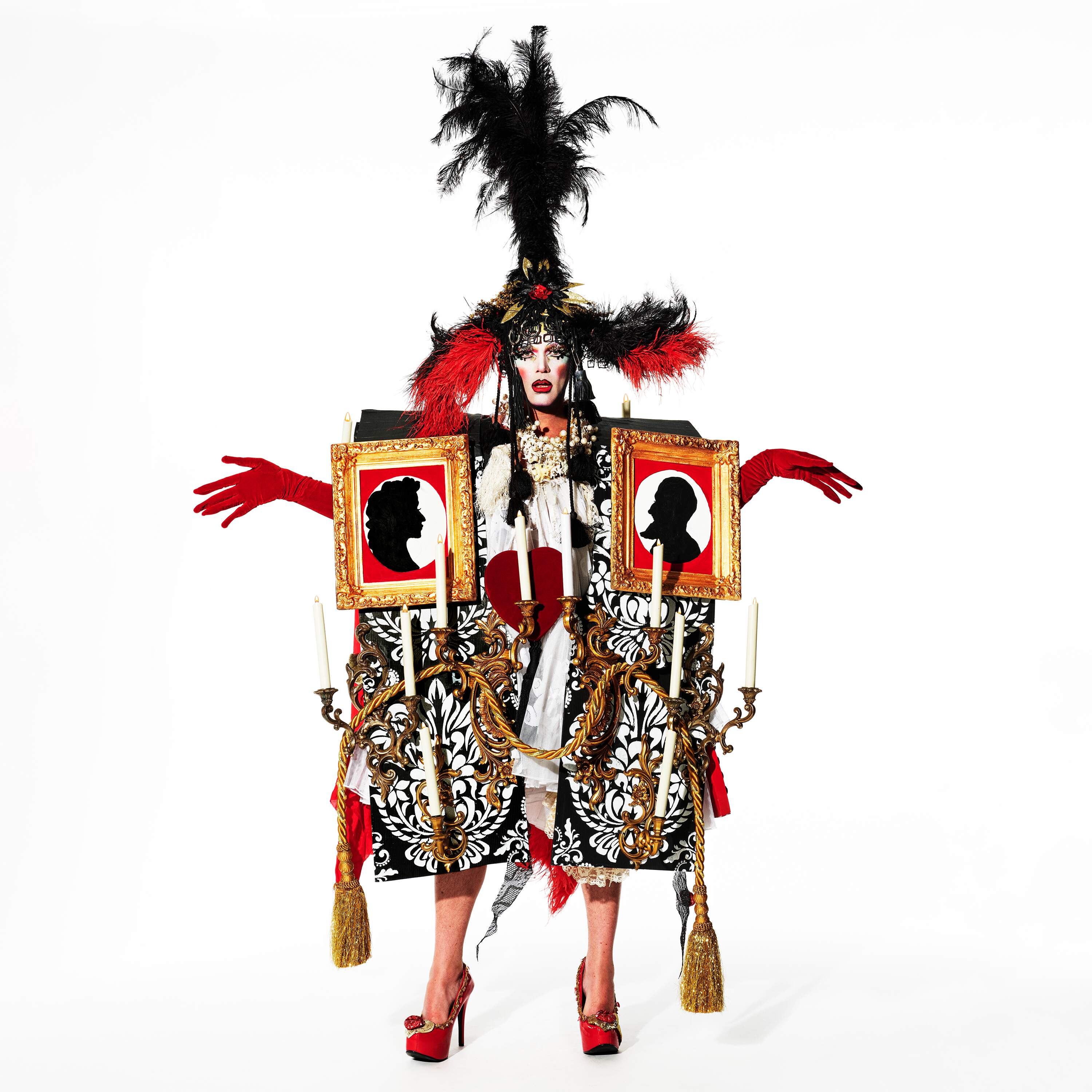
Overview of The state of fashion
This TED Radio Hour episode from NPR explores fashion as more than style: it’s self-expression, consumer behavior, labor, and environmental impact. The episode moves between two contrasting perspectives—artist and costume designer Machine Dazzle, who uses exuberant “queer maximalism” to make fashion joyful and expressive, and model Cameron Russell, who reflects on the beauty industry’s exploitation, power dynamics, and hidden costs. It also examines how online shopping and easy returns have reshaped consumer habits in ways that are convenient but costly for retailers and the planet.
Key Themes and Segments
Machine Dazzle and the Power of Maximalism
- Machine Dazzle describes his work as queer maximalism: layered, colorful, over-the-top fashion that tells stories.
- His costumes are not just decorative—they are conceptual, narrative, and political.
- He sees maximalism as generous and communal: a way of inviting people in rather than hiding behind minimalism.
- The episode highlights outfits from Taylor Mac’s A 24-Decade History of Popular Music, where each costume reflects a historical decade through playful, symbolic imagery.
Online Shopping, Returns, and Waste
- Former UPS executive Aparna Mehta shares how she once bought multiple sizes/colors online and returned most of them.
- Consumer convenience has trained people to treat returns as normal, even though the process is expensive and wasteful.
- Retail expert Amanda Mull explains:
- Online return rates can range from 15% to 30%, and even higher for some products.
- Free returns helped build e-commerce habits, but now they create major financial and environmental costs.
- At returns facilities, employees inspect, sniff, sort, and process huge volumes of clothing—much of which cannot be resold.
- Many returned or unsold items are donated, recycled, landfilled, or incinerated.
- The deeper issue is overproduction: the industry makes far more clothing than people need.
Cameron Russell on Beauty, Labor, and Power
- Supermodel Cameron Russell reflects on her career and the glamour myth surrounding modeling.
- She describes how the fashion industry depends on:
- exploitation of labor
- gendered power imbalances
- environmental harm
- racialized standards of beauty
- Her memoir frames the tension of benefiting from an unjust system while also being shaped by it.
- She argues that change comes from collective action, not just individual guilt or opting out.
- Russell emphasizes separating fashion as culture and creativity from fashion as an exploitative industry.
Main Takeaways
Fashion is both personal and systemic
- What we wear can be joyful, artistic, and expressive.
- But fashion is also tied to labor practices, consumer manipulation, and environmental damage.
Convenience has consequences
- Free shipping and easy returns encourage overbuying and waste.
- Small individual choices matter, but the larger issue is the system retailers built to maximize consumption.
The industry is built on hidden labor
- Much of fashion’s glamour depends on underpaid workers, often women, across the supply chain.
- Models themselves are part of that labor system, not just symbols of beauty.
Creativity can be resistance
- Machine Dazzle’s work shows fashion as an act of generosity, storytelling, and identity.
- Russell’s reflections show that naming harm and sharing stories can be a path toward accountability and change.
Practical Advice and Action Items
For consumers
- Buy secondhand when possible.
- Shop more intentionally: pause before buying, revisit the cart later, and avoid buying multiple sizes “just in case.”
- Add “friction” back into shopping habits so decisions are more thoughtful.
- Avoid fast fashion when you can, and buy pieces meant to last.
For the industry
- Stronger regulation and oversight could reduce overproduction and waste.
- Retailers need to rethink incentives that rely on excessive returns and disposable clothing.
Notable Insight
“Maximalism is generous. It’s everything.”
That line captures the episode’s broader message: fashion can be celebratory and transformative, but to make it better, we also have to confront the system that produces so much waste, inequity, and harm.