Overview of How the creator economy is making you talk like the internet
This TED Radio Hour episode (hosted by Manoush Zomorodi, NPR) explores how the creator economy and social‑media algorithms are reshaping language and communication. Guest Adam Aleksic (the “Etymology Nerd” and author of AlgoSpeak) explains how platforms incentivize new slang, accents, and storytelling mechanics; how words like “unalive,” “skibbity,” “riz,” and repurposed words like “demure” and “low” spread; and why these shifts matter culturally, commercially, and politically.
Main takeaways
- Algorithms shape language by rewarding content that maximizes engagement (hooks, retention, repeatable memes), which pushes creators to adapt speech and storytelling for discoverability.
- New words emerge faster and travel farther via socio‑technical “incubators” (in‑groups on platforms), but not all slang is equal: some meme words are ephemeral while other changes (often originating from marginalized communities) can have lasting influence.
- Platform design (classification, metadata, NLP) and commercial incentives (targeting, micro‑demographics) actively mold what language spreads and what identities are monetized.
- There are risks: algorithmic amplification favors extreme, viral, or clip‑friendly content; hate/4chan vocabularies can leak into mainstream slang and facilitate radicalization.
- Optimism for youth: younger people often show media literacy about algorithmic manipulation; pessimism about algorithms: their structural incentives remain problematic.
- Counterbalance: mix time‑biased media (books, longform) with algorithmic, space‑biased media; diversify information sources; teach etymology and awareness of algorithmic influence.
Key examples and case studies discussed
- Chai vs. tea: Adam’s viral video explaining how geographic trade routes determined which word spread — illustrates the “hook + simplification + energetic delivery” formula for viral explainer content.
- “Unalive”: a euphemism that arose to evade TikTok moderation, later used offline in schools — example of platform constraints creating new vocabulary.
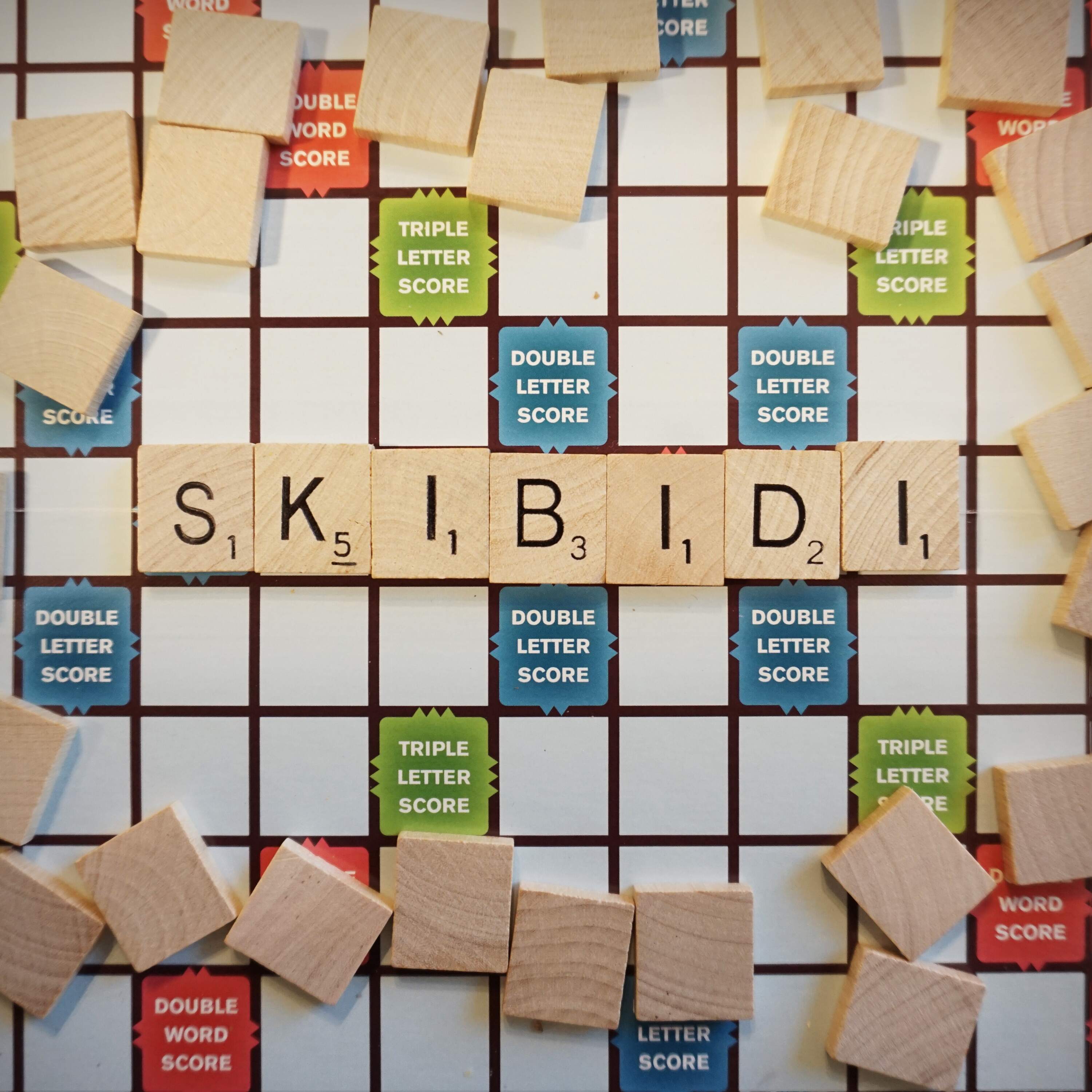
- “Skibbity” and “riz”: memetic nonsense/charisma words that exploded via songs and streamers; show how repetition + trending audio → rapid diffusion.
- “Demure” and “low”: words repurposed by online communities (demure as performative cutesy workplace aesthetic; low from African American English meaning “chill”) — example of deeper, potentially lasting semantic shifts tied to subcultures.
- Aesthetics like “cottagecore”: algorithmically manufactured micro‑identities used by platforms and advertisers to target users more precisely (“subcultures are the new demographics”).
How algorithms influence language (mechanics)
- Not one “algorithm”: multiple sub‑algorithms classify users, content, and signals (views, retention, likes, shares, audio use, hashtags) to create distributions.
- Metadata and natural language signals become inputs; creators use trending sounds/words as distribution hacks.
- Personalization is dual‑purpose: it benefits the user experience but primarily serves platform engagement and monetization.
- Social selection: human biases (who we choose to watch/scroll away from) get amplified because the algorithm interprets engagement patterns and surfaces what retains attention.
Cultural effects and risks
- Faster diffusion: words can go from niche to Oxford/Cambridge recognition within a year.
- In‑group currency: slang provides identity signaling; once mainstreamed (e.g., used by older adults), it loses in‑group cachet and dies out faster.
- Commercialization and surveillance capitalism: micro‑labels (suffix “‑core,” micro‑aesthetics) let advertisers target narrow consumer clusters.
- Political and safety harms: clip‑friendly, extreme rhetoric spreads more easily; extremist slang can normalize harmful ideologies.
- Accent/voice pressures: “influencer accents” and rapid delivery styles arise as performance norms to maximize engagement; creators may rehearse intonation and pacing.
Recommendations / actions for listeners
- Be aware: notice when words, tones, or meanings feel engineered for virality or commerce.
- Diversify media consumption: combine algorithmic feeds with time‑biased formats (books, longform journalism, in‑person conversations) to slow and contextualize trends.
- Teach etymology/media literacy: understanding word origins helps spot manipulation and hidden ideologies.
- Pay attention to youth language: adolescents and middle‑schoolers are often bellwethers for future linguistic change — but beware of harmful vocabularies seeding from fringe online spaces.
- Demand transparency and accountability from platforms about how content is ranked and monetized.
Notable quotes & soundbites
- “We are entering an entirely new era of language change driven by social media algorithms.”
- “The algorithm is the culprit, but influencers are the accomplices.”
- “Subcultures are the new demographics” (TikTok business framing noted by Aleksic).
- “Thanks for coming to my TED Talk.” (modern sign‑off meme/phrase cited by Aleksic)
Resources / where to learn more
- Guest: Adam Aleksic — social media handle: Etymology Nerd.
- Book: AlgoSpeak: How Social Media Is Transforming the Future of Language (Adam Aleksic).
- TED talk by Adam Aleksic (available on TED.com).
- NPR / TED Radio Hour episode for full interview and audio examples.
This episode provides a concise primer on how the creator economy and platform architecture actively shape not only what we buy and who we follow, but how we talk — with cultural, commercial, and political consequences worth paying attention to.