Overview of Curious stories of coexistence
This TED Radio Hour episode (hosted by Manoush Zomorodi / NPR) explores different forms of coexistence — between humans and wildlife, between mainstream science and controversial ideas, and between joy and grief within a single life. Through three TED speakers—biologist Philip Johns, astrophysicist Avi Loeb, and writer Laurel Braitman—the episode asks what it takes to live alongside difference, uncertainty, and loss, and what lessons we can draw for cities, science, and emotional life.
Segments and key takeaways
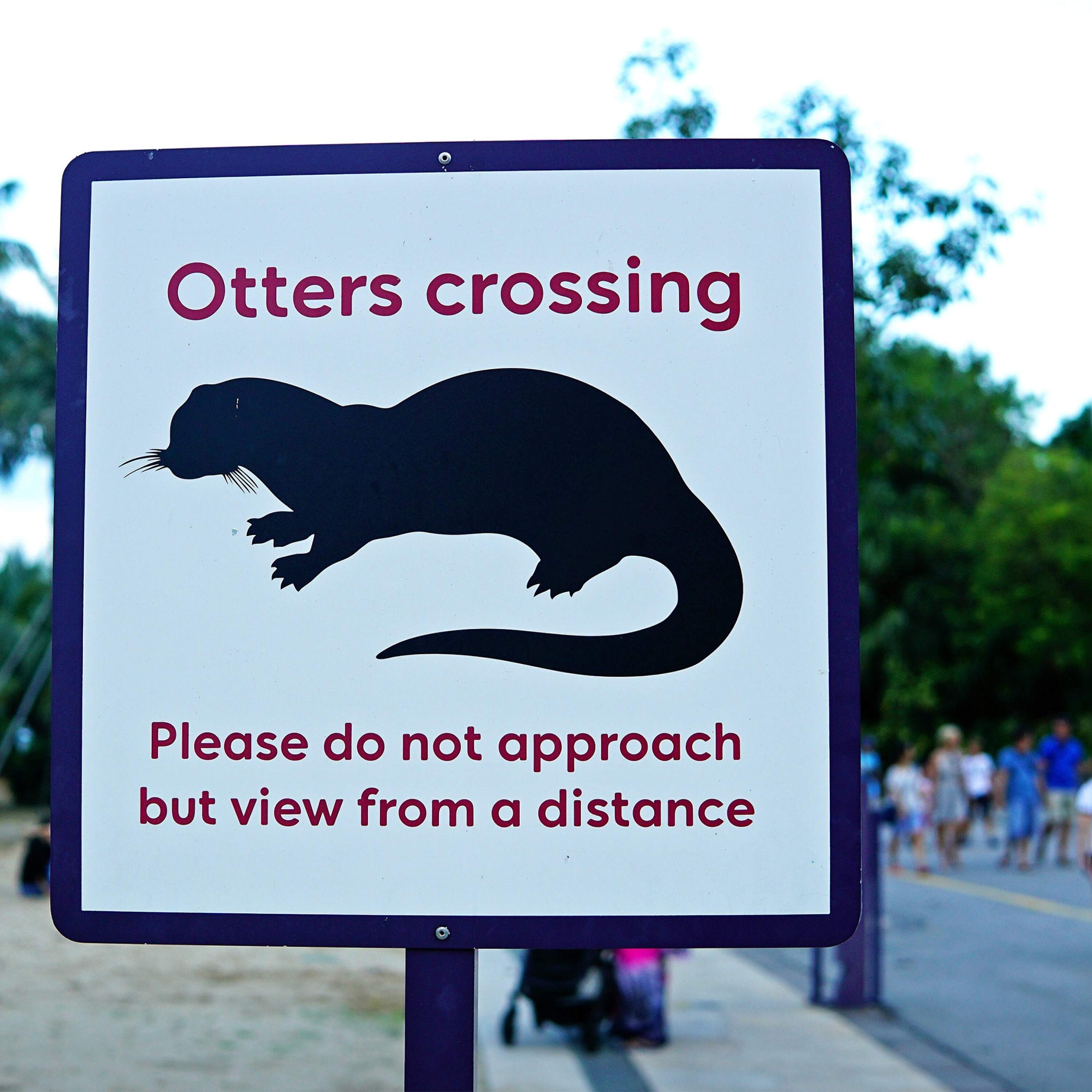
Philip Johns — Urban wildlife and otters in Singapore
- Overview: Johns describes how smooth-coated and Asian small-clawed otters have returned to Singapore after the city cleaned its waterways. The otters form large, social families, hunt cooperatively, and thrive amid dense urban architecture and green space.
- Key points:
- Habitat restoration (cleaning waterways) enabled wildlife to return.
- Urban design in Singapore (300+ parks; goal of a park within 10 minutes for everyone) creates frequent human–nature contact.
- Human–wildlife conflict remains real: otters sometimes bite people, and they raid expensive koi ponds — conflicts that require realistic management.
- Familiarity breeds empathy: personal connections with animals (otter watching, hornbill sightings) encourage conservation-minded behavior.
- Lessons for coexistence:
- Cities can be wildlife refuges if planners intentionally integrate habitat and access.
- Modest accommodations and clear public guidance reduce conflict (e.g., keeping distance from pups; protecting private fish ponds).
- Notable anecdote: Otter family fights breaking out “right downtown” during rush hour, drawing thousands of onlookers.
Avi Loeb — Searching for extraterrestrial artifacts
- Overview: Loeb explains why he keeps the hypothesis of artificial (technological) origins on the table for interstellar objects, using ‘Oumuamua (2017) as a case study. He founded the Galileo Project to systematically search for anomalous objects near Earth.
- Key points:
- Oumuamua exhibited unusual motion (non-gravitational acceleration) without a detectable cometary tail, sparking debate about natural vs. artificial explanations.
- Loeb argues the scientific method demands collecting data and testing the artificial-origin hypothesis rather than dismissing it for being controversial.
- The Galileo Project deploys wide-field optical/IR/radio/audio sensors and machine learning to detect and analyze nearby unexplained objects.
- His stance has generated significant public interest and funding but also professional criticism and accusations of sensationalism.
- Lessons for coexistence:
- Intellectual openness coupled with rigorous data collection can help bridge divides between mainstream and heterodox science.
- Clear evidence (e.g., images showing technological features) would change humanity’s sense of place in the cosmos.
- Notable quotes:
- “Extraordinary claims require extraordinary evidence, but they are not seeking the evidence. So let’s just look around.”
- “When you find a partner, it changes the meaning of your existence.”
Laurel Braitman — Embracing mixed emotions after loss
- Overview: Braitman recounts growing up with a father who had terminal cancer and chose medical aid in dying. Her subsequent decades of achievement masked unresolved guilt and fear. Volunteering with grieving children helped her learn to hold sadness and joy together.
- Key points:
- Early trauma led to a pattern of overachievement as a way to anesthetize shame and fear.
- Working with grieving kids revealed that painful feelings often coexist with moments of play and joy; both can be true at once.
- Healing involved accepting that negative emotions don’t necessarily mean culpability and that vulnerability allows richer connection.
- Lessons for coexistence:
- Emotional life is not binary: grief and joy can be “teammates” rather than opposites.
- Practices that allow small, intentional exposures to both fear and connection (therapy, grief groups, volunteering) can help.
- Notable anecdote: After a wildfire destroyed her childhood ranch, a bucket of honey her father had stored survived intact — a symbolic reminder of continuity amid loss.
- Content warning and resource: The episode discusses suicide and medical aid in dying. If you or someone you know is in crisis, call/text 988 (U.S. Suicide & Crisis Lifeline).
Common themes and insights
- Coexistence is active, not passive: it requires design (urban planning), data (scientific instruments), and emotional work (grief processing).
- Familiarity fosters empathy: repeated, structured contact with “the other” (wildlife, ideas, feelings) reduces fear and increases stewardship or curiosity.
- Tension is not necessarily destructive: conflicts (otter territorial fights, scientific controversy, internal grief) can catalyze new practices, policies, or personal growth when handled realistically.
- The role of institutions matters: cities, universities, and grief-support systems can enable or block peaceful coexistence.
Practical takeaways / Recommendations
- Urban planners & citizens:
- Integrate green corridors, clean waterways, and accessible parks to enable wildlife habitat and human–nature connection.
- Prepare public guidance for predictable human–wildlife conflicts (keep distance from pups; protect private ponds).
- Scientists & funders:
- Keep unconventional hypotheses under testable, data-driven study rather than dismissing them out of hand.
- Invest in open, continuous monitoring infrastructure and transparent data-sharing (Loeb’s Galileo model).
- Individuals coping with loss or fear:
- Seek community (support groups) where mixed emotions are normalized.
- Allow yourself to feel joy and sadness together; small daily practices can help hold both.
- Consider volunteering or supportive listening as a way to reframe guilt and build resilience.
Notable quotes
- Laurel Braitman: “We can’t have happiness without sadness. We can’t have joy without pain. Instead of being opposites, those things are teammates.”
- Avi Loeb: “Let’s just look around.” / “When you find a partner, it changes the meaning of your existence.”
- Philip Johns: People form care for nature “when they form some connection to nature.”
Where to find the full talks and episode
- Full TED talks by each speaker are on TED.com (Philip Johns; Avi Loeb; Laurel Braitman).
- This summary is of the TED Radio Hour episode “Curious stories of coexistence” (NPR / TED Radio Hour).
If you want, I can extract timestamps or create one-paragraph social-post blurbs for each speaker.