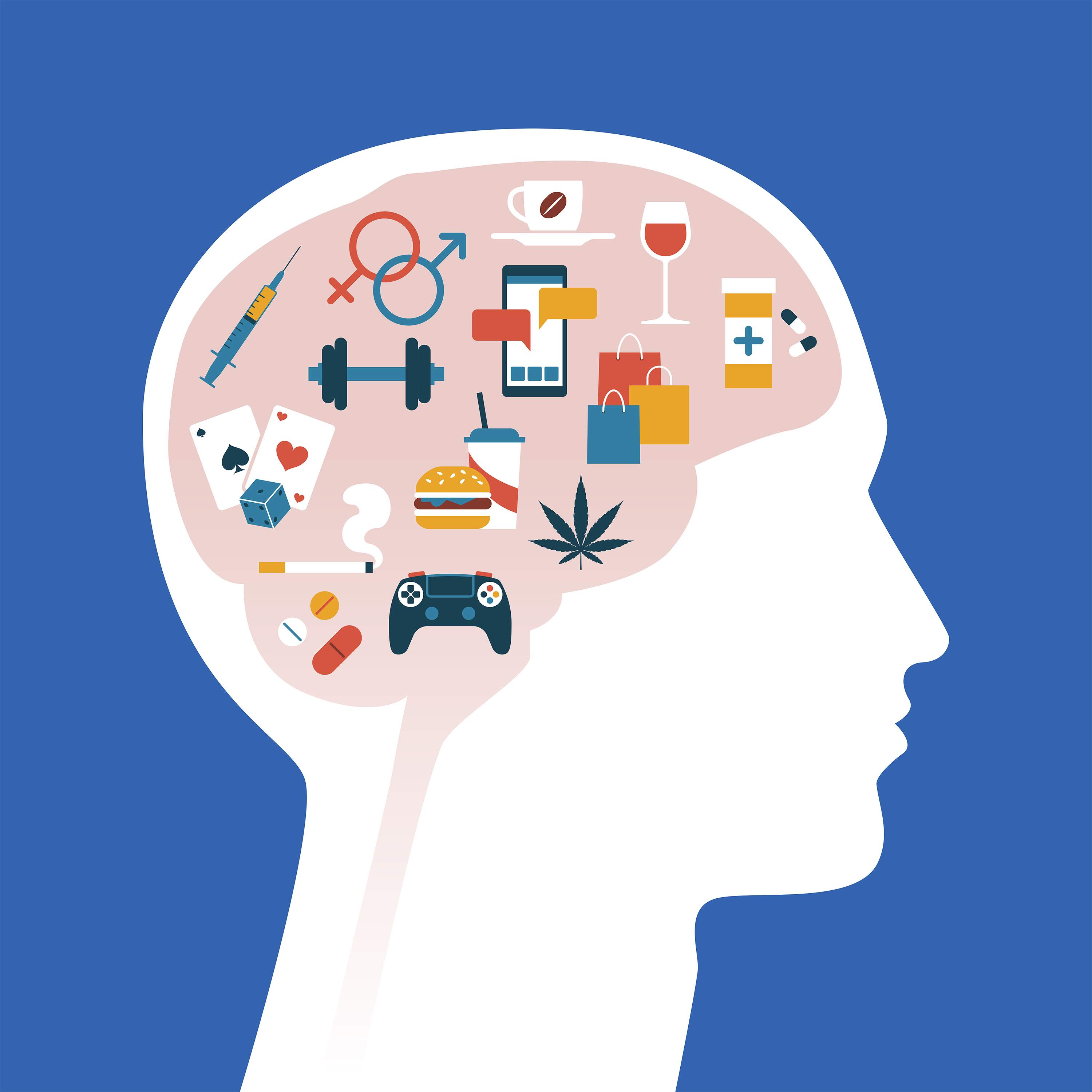
Overview of Rethinking addiction in the age of Ozempic
This TED Radio Hour episode explores how GLP-1 drugs like Ozempic, Wegovy, and Mounjaro are changing the conversation around addiction, moderation, and self-control. Through stories from patients, physicians, and people in recovery, the episode asks whether these medications may help reduce cravings for alcohol, nicotine, opioids, and even compulsive behaviors — while also highlighting their limits, risks, and the continued importance of therapy, community, and self-compassion.
Main themes
GLP-1s as “moderation molecules”
- The episode presents GLP-1 drugs as potentially helping people regulate desire rather than eliminating it entirely.
- Researchers are studying whether these medications can reduce cravings not just for food, but for substances and behaviors tied to addiction.
- The idea is that GLP-1s may affect the brain’s reward system, possibly dampening dopamine spikes associated with addictive behaviors.
Addiction is biological — but not only biological
- The conversation reinforces that addiction is not simply a moral failing or lack of willpower.
- At the same time, it argues that addiction is multifactorial:
- Biological: brain chemistry, reward pathways, cravings
- Psychological: trauma, habits, self-talk
- Social: isolation, stigma, peer support, environment
- The episode emphasizes that shame often worsens addiction and makes recovery harder.
Dhruv Kular’s perspective on GLP-1s and addiction
What the science suggests
- Dr. Dhruv Kular explains that emerging studies suggest GLP-1s may help people:
- drink less alcohol
- smoke less
- reduce opioid cravings
- potentially curb compulsive shopping or gambling
- He notes that this is surprising because these drugs were originally developed for diabetes and weight loss.
Why researchers are excited
- Existing addiction medications tend to target specific substances.
- GLP-1s may work more broadly across different addictions, which makes them unusual and promising.
- Scientists are still not fully sure how they work in the brain, especially since these drugs may not directly cross the blood-brain barrier in a straightforward way.
Important caveats
- GLP-1s are not a cure-all.
- Some people stop taking them because of:
- side effects
- cost
- access issues
- loss of interest or emotional blunting
- Some users may also develop tolerance, reducing the medication’s long-term effect.
- Kular stresses that these drugs should be viewed as one tool among many, not a silver bullet.
Mary’s story: a personal example of change
- Mary, a woman with decades of alcohol addiction, joined a clinical trial involving semaglutide.
- Within weeks, she found alcohol less appealing and eventually stopped drinking.
- She described the medication as removing “alcohol noise” from her mind — the constant rumination over drinking.
- She also lost a substantial amount of weight quickly, improved her diet, began exercising, and made major life changes.
- Her story is presented as powerful but also cautionary, since she had to stop the medication due to rapid weight loss.
Eric Zimmer on recovery and lived experience
Recovery is a process, not a single fix
- Eric Zimmer, who has personal experience with heroin addiction, warns against looking for one perfect solution.
- He argues that recovery requires addressing multiple “puzzle pieces”:
- emotional health
- physical health
- social support
- meaning and purpose
- behavioral habits
Why self-compassion matters
- Zimmer emphasizes that people trying to change often interpret setbacks as proof that something is wrong with them.
- He argues that shame and self-criticism undermine motivation and make relapse more likely.
- His approach focuses on:
- treating setbacks as learning opportunities
- building skills over time
- replacing self-blame with curiosity and compassion
What long-term recovery looks like
- He credits 12-step recovery and community support with saving his life.
- He also notes that people in recovery often need ongoing maintenance:
- sleep
- movement
- psychological work
- social connection
- For him, recovery is not about one intervention; it is about building a life that makes addiction less central.
Bigger questions the episode raises
Are we treating symptoms or root causes?
- The episode asks whether medications like GLP-1s risk becoming a “quick fix” that distracts from larger social problems:
- poor diet environments
- stress
- trauma
- isolation
- inequality
- At the same time, it acknowledges that broad societal change is slow, and people suffering now may need immediate help.
Will treatment shift toward earlier, broader use?
- The discussion touches on the possibility of using GLP-1s preventively, even in children or teens.
- That idea raises ethical concerns about long-term dependence, medicalization, and whether medication could replace lifestyle and social interventions.
Closing idea: screen addiction and modern life
- The episode ends with a short talk from Naima Raza about “screen addiction” and how technology can pull us away from each other.
- Her practical advice is to build three habits:
- Pause before reaching for your device
- Wonder instead of instantly searching for answers
- Ask questions out loud and engage people directly
- The closing links technology use to the broader theme of the episode: modern life creates constant temptation, and moderation requires intention.
Key takeaways
- GLP-1s may represent a major breakthrough in addiction treatment, especially for cravings and compulsive behavior.
- They are promising, but not sufficient on their own.
- Addiction recovery works best when biology, psychology, and community are addressed together.
- Shame is counterproductive; compassion and understanding are essential.
- The episode’s broader message is that modern life pushes people toward excess, so learning moderation is a skill — and sometimes a medical issue.