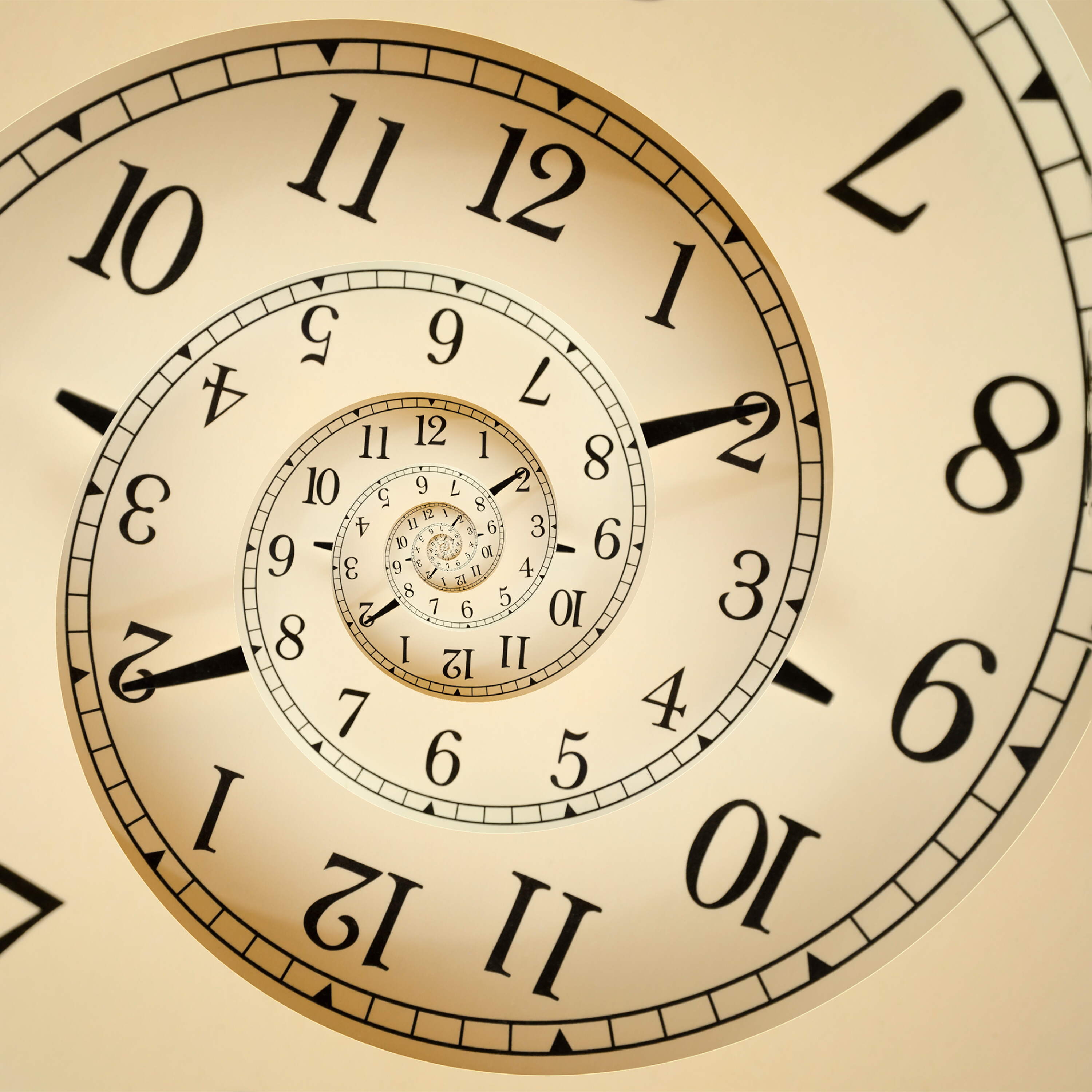
Overview of How we experience time
This TED Radio Hour episode explores time as both a scientific and emotional experience: something shaped by the body, the brain, attention, art, music, and our outlook on life. Through conversations with artist Katie Paterson, neuroscientist Irena Arslanova, conductor Robert Franz, and psychologist Philip Zimbardo, the episode shows how time can feel expansive, compressed, sacred, or fleeting depending on how we engage with the world.
Key Ideas and Themes
-
Time is not just measured; it is experienced
- The episode contrasts clock time with subjective time.
- A minute can feel endless in boredom, but a whole hour can disappear in joy or concentration.
-
Our bodies shape how time feels
- The brain reads signals from the body—especially the heart—to help construct our perception of time.
- Faster heart rhythms can make moments feel shorter; slower rhythms can make time feel more spacious.
-
Attention changes time
- When we are fully present, time may seem to slow down.
- When we are distracted, busy, or absorbed, time often seems to pass quickly.
-
Art and music can make time tangible
- The guests use sensory experiences to help people feel deep time, rhythm, and duration in new ways.
Segment Highlights
Katie Paterson: Making deep time audible and visible
Paterson’s work focuses on time spans far beyond human life.
-
Glacier phone line
- She placed a microphone in Iceland’s Vatnajökull glacier and set up a phone line so people could call and listen to the glacier melting in real time.
- The piece created an intimate connection to something ancient that is now disappearing faster because of climate change.
-
Earth, Moon, Earth
- She sent Beethoven’s Moonlight Sonata to the moon and back using radio waves.
- The returned version came back altered, with some notes missing, emphasizing the moon’s physical presence and the journey through cosmic time.
-
Sunrise counter
- Her artwork There Will Be Days Between tracks the number of sunrises since Earth began.
- It turns geological and planetary history into a visible, daily counting device.
Takeaway: Paterson’s art helps people feel the vastness of time while also recognizing how fragile and finite it is.
Irena Arslanova: The heart and time perception
Arslanova studies interoception—the brain’s awareness of signals from the body.
- The brain uses internal signals from the heart, gut, and immune system to make predictions and keep us safe.
- Her research found that stimuli presented during a heartbeat are perceived as lasting less time than those presented between beats.
- This suggests that time perception is physically embodied, not just mental.
Practical insight:
- Slowing the heart through deep breathing, meditation, or focusing on something calm may change how time feels.
Robert Franz: Listening as a way to alter time
Franz uses classical music to teach active listening and to show how music shapes time perception.
-
He created “Bob’s Four Tools” for listening:
- Rhythm
- Melody
- Texture
- Visuals / watching the orchestra
-
Rhythm
- Some rhythms align with the heartbeat; others push against it and create tension.
-
Melody
- Great melodies guide us through time with a clear beginning, middle, and end.
- He uses Tchaikovsky and even Sinatra as examples of memorable melodic shape.
-
Texture
- Harmony creates a shifting “soundscape,” like colors blending into a living tapestry.
-
Visuals
- Watching an orchestra reveals the nonverbal coordination and teamwork that makes the music work.
Takeaway: Active, curious listening can make a concert feel shorter because the listener becomes deeply engaged in the unfolding moment.
Philip Zimbardo: Time perspective and life choices
Zimbardo argues that people tend to orient themselves toward the past, present, or future, and this shapes behavior.
-
He describes several time perspectives:
- Past positive
- Past negative
- Present hedonistic
- Present fatalistic
- Future-oriented
- Transcendental future
-
He argues that mental flexibility across these perspectives leads to a healthier, more balanced life.
-
His “optimal” profile:
- Strong past positive
- Moderate future orientation
- Some present hedonism
- Low past negative and present fatalism
Takeaway: Time perspective is a powerful, often unconscious force in decision-making, relationships, and well-being.
Main Takeaways
- Time is elastic in human experience.
- The body, especially the heart, influences how long moments feel.
- Deep attention can stretch or compress time.
- Art and music can help us sense time beyond ordinary life.
- Our mindset about past, present, and future affects how we live.
Notable Insight
- Katie Paterson’s work suggests that humans are only a tiny part of a much larger timeline.
- Irena Arslanova’s research shows that even a heartbeat can subtly alter duration perception.
- Robert Franz demonstrates that music can make time feel shorter by immersing the listener.
- Philip Zimbardo argues that balancing time perspectives can improve health, happiness, and decision-making.
Final Thought
The episode’s central message is that time is not just something we pass through—it is something we actively construct through our bodies, attention, and choices. By slowing down, listening deeply, and widening our sense of scale, we can experience time in a richer and more meaningful way.