Overview of Can curiosity save the wild?
This TED Radio Hour episode explores a new conservation question: can technology and curiosity help people understand wildlife without disturbing it? Through two stories — conservation creator Maya Higa and computational linguist Jeff Reed — the episode shows how live streaming, remote cameras, bioacoustics, and AI can deepen human connection to animals while reducing stress on the animals themselves. The core message is that conservation may work better when we meet animals where they are, rather than bringing them to us.
Maya Higa and the power of live-streamed conservation
From injured hawk to sanctuary founder
- Maya Higa first gained attention caring for Bean, a red-tailed hawk injured by a car.
- She rehabilitated him while live streaming the process on Twitch, turning a private rescue into a global shared experience.
- Viewers became emotionally invested in Bean’s recovery, helping create a community around wildlife education.
Why the model worked
- Live streaming let Maya teach conservation to thousands of people at once, instead of a small classroom audience.
- Bean never had to be repeatedly transported, reducing stress on the bird.
- The project showed her that conservation outreach could be more scalable, accessible, and animal-friendly online than in person.
Building Alvea Sanctuary
- Maya used the momentum and crowdfunding support to found Alvea Sanctuary in Austin, Texas.
- The sanctuary is not open to the public; instead, it uses 24/7 live cameras and online content to share the lives of rescued animals.
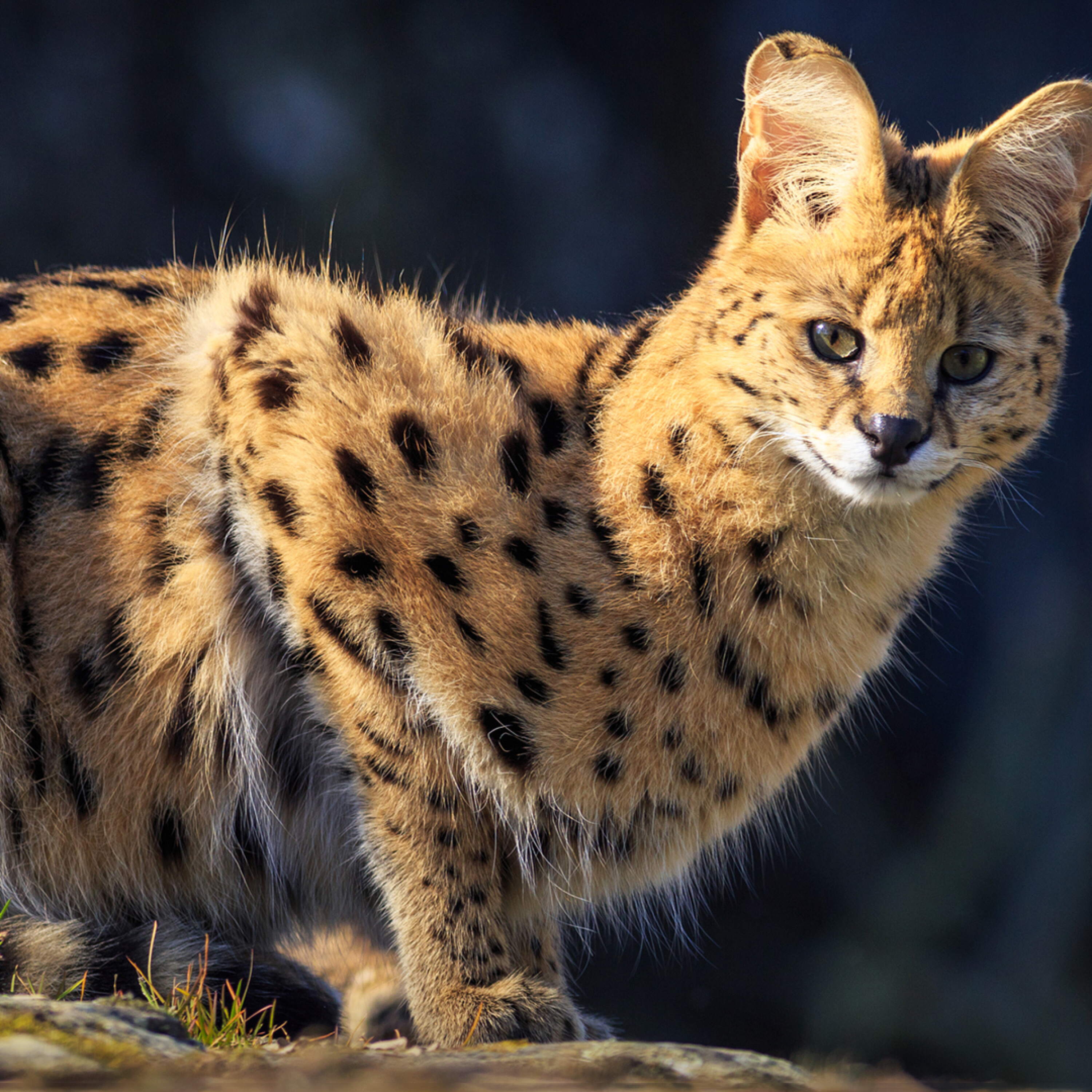
- Animals include foxes, wolf dogs, marmosets, crows, emus, a tortoise, and a rescued serval.
Conservation through storytelling
- Each animal becomes a gateway to a broader conservation issue:
- foxes → fur trade
- cows → agriculture and environmental impact
- future Mexican wolves → endangered species recovery and breeding programs
- Maya’s approach is designed to reach people who may not already be “nature people,” especially younger audiences online.
Jeff Reed and decoding wolf communication
Studying wolves without interfering
- Jeff Reed, a computational linguist and wildlife researcher, helped develop a large-scale bioacoustics project in Yellowstone.
- Instead of following wolves closely, the team placed remote acoustic recorders across the landscape.
- The goal was to study wild wolves in their natural environment, rather than in captivity.
The challenge of the data
- The project generated massive amounts of audio — more than 200,000 hours.
- Researchers used spectrograms to visualize the sounds and then trained AI systems to detect and classify wolf howls automatically.
- AI helped them find patterns humans might miss and handle the scale of the recordings more efficiently.
What researchers are learning
- Wolves appear to use different vocal patterns in ways that may be more structured than previously understood.
- Chorus howls may help packs coordinate territory and social behavior.
- Some evidence suggests wolves can estimate how many rivals are howling and decide whether to stay or retreat.
- Jeff also raises the possibility that some wolf vocal combinations may carry meaning beyond a single call, hinting at a more complex communication system.
A favorite wolf: 907
- Jeff describes one particularly notable wolf, 907, who became a symbol of resilience and personality.
- By studying her calls, he learned to recognize individual vocal traits and contextual clues in wolf communication.
- Her howls helped illustrate how much information may be embedded in sound alone.
Key themes and takeaways
1. Conservation can be more effective when it minimizes intrusion
- Both stories emphasize observing animals without forcing them into human spaces.
- Technology allows people to learn from wildlife while leaving animals less stressed and more natural.
2. Emotional connection drives conservation
- People protect what they feel attached to.
- Live streams, personalities, and recurring animal stories help audiences care enough to act.
3. AI is a tool, not the destination
- Reed stresses that AI will not magically “translate” animals into human language.
- Its real value is helping researchers find patterns, scale analysis, and support conservation work.
4. The “digital wild” matters
- Higa and Reed both argue that online tools can bring people closer to nature, especially those unlikely to encounter it firsthand.
- This matters because human language, attention, and cultural memory around nature are shrinking as people move further from the wild.
Notable ideas and quotes
- Maya Higa: Conservation education can reach far more people when animals remain in place and stories are shared online.
- Jeff Reed: “You tend to protect what you love, and you only love what you understand.”
- The episode suggests that the future of conservation may depend on combining science, technology, storytelling, and audience participation.
What listeners should remember
- Wildlife doesn’t always need closer human contact; sometimes it needs more space.
- Digital tools can create meaningful conservation experiences without requiring physical access.
- The episode presents a hopeful model where curiosity becomes a conservation strategy.