Episode 321 — Sword and Scale
Summary of Transcript
Overview
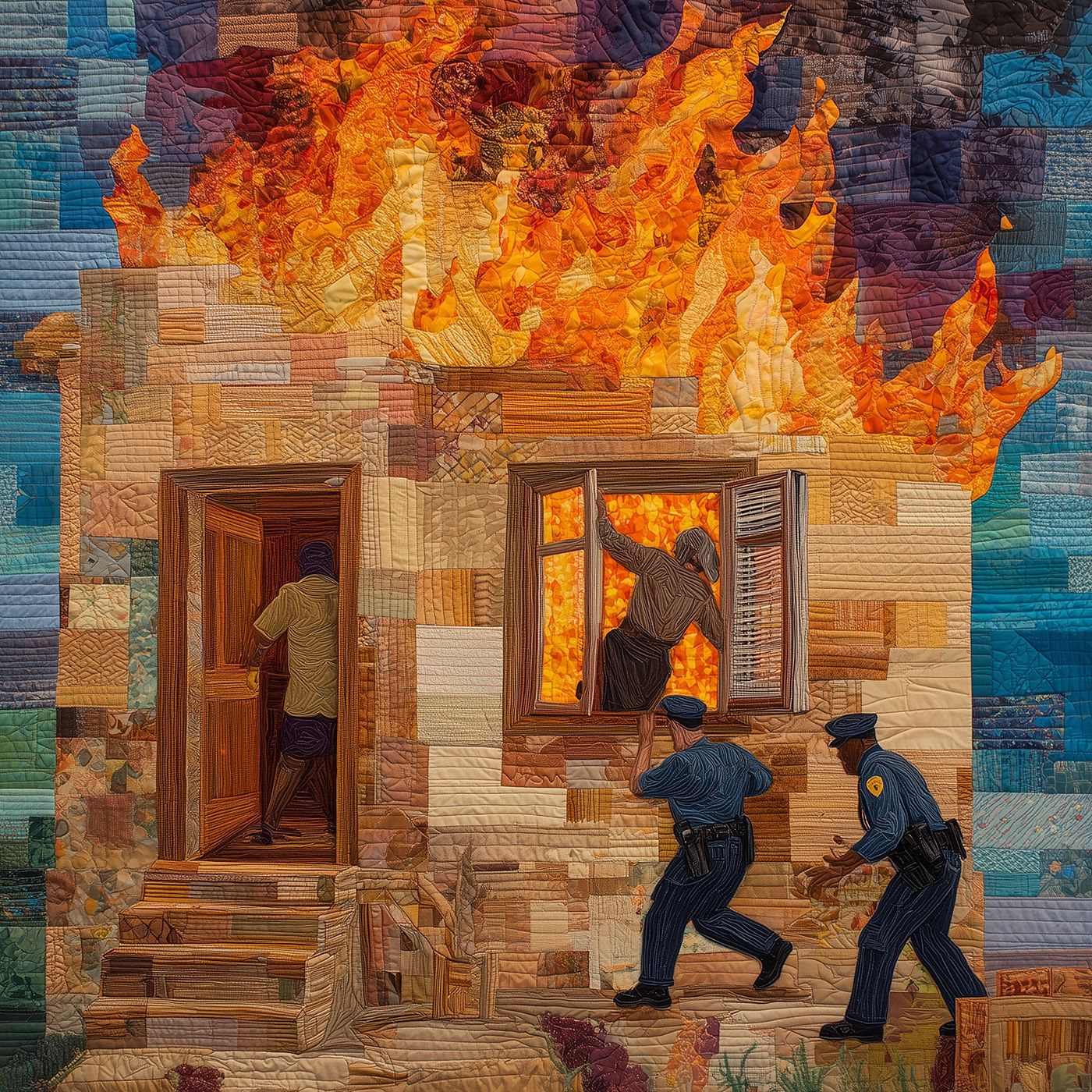
This episode recounts a violent, late-night attack at a Youngstown, Ohio home on November 6, 2015. A medical alert at 44 Cleveland Street triggered a routine ambulance response that was dismissed as a false alarm after a man at the door told paramedics everything was fine. Less than two hours later, a second caller reported screaming from the house. Responding officers found the home on fire and discovered three victims: one woman dead, one woman beaten nearly to death (pulled from a bedroom window), and a man collapsed and severely injured under a table. The episode explores the victims’ backgrounds (notably Erica Huff, a disabled MS patient), the chaotic emergency response, the ensuing homicide/attempted-murder investigation, and questions about how the initial call was handled.
Key points / Main takeaways
- At ~2:00 a.m., Erica Huff’s medical alert activated and an ambulance crew responded. Paramedics reported it as a false alarm after a 30-something male at the door said everything was fine; they left without entering or confirming the situation.
- At ~2:45 a.m., Lonnie Johnson Jr. (a nearby resident/ex-husband figure in the transcript) called 911 reporting someone screaming to “run, run.” Police were dispatched.
- When police arrived they found the house on fire. Officers forced entry through the back, removed a woman trying to escape through a window (she was bloody and nearly beaten to death), discovered another battered woman (dead) and a man unconscious or near death under a table.
- Firefighters, police, and multiple ambulances converged; two victims were rushed to the hospital, one was deceased at the scene.
- The victim profile: Erica Huff, 41, bedridden with multiple sclerosis, reliant on in-home care and family help, mother of a young daughter she could not fully care for due to her illness.
- The initial paramedic decision to treat the alarm as a false alarm and not verify inside the home was a critical failure that likely contributed to the delay in discovering the violent crime.
- Investigators (Detective Sgt. Ron Rodway) launched an extensive homicide investigation; the transcript mentions multiple charges (murder, attempted murder) being filed, but also includes a contradictory line suggesting the killer was never found — the resolution in the transcript is ambiguous.
Notable quotes / Insights
- “She screamed ‘run, run.’” — Lonnie Johnson’s description of the scene that prompted the second 911 call.
- “We opened the window and ripped the air-conditioner out, pulled this woman out, and she was bloody head to toe.” — Detective recalling the rescue.
- The episode frames the incident within the theme: “No good deed goes unpunished” — an exploration of how kindness or routine assistance can be twisted into tragedy.
- Early in the transcript: “He came around the corner with a hammer and just started beating me unmercifully… the blood was just gushing. He said, ‘all of you have just ditched me and I’ve got to kill you.’” — a vivid depiction of the brutality (likely from survivor/victim testimony or narration).
Topics discussed
- Emergency dispatch and EMS response protocols (medical alarms, false-alarm reporting)
- Arson and attempted cover-up of a homicide
- Violence against vulnerable/disabled individuals
- Home healthcare and dependence (MS, in-home aides, family caregivers)
- Law enforcement crime-scene response and homicide investigation
- The human cost of delayed emergency response
Action items / Recommendations (practical takeaways)
- For EMS/Dispatch services:
- Reassess protocols for medical-alert responses: treat activations as potentially serious until interior verification is completed.
- Require visual confirmation or entry procedures when a medical-alert is triggered for high-risk/disabled residents.
- For families and caregivers of vulnerable people:
- Maintain multiple, robust emergency communication plans (phone contacts, neighbors, monitored alert systems with confirmation procedures).
- Ensure emergency alert devices are linked to monitoring services that will insist on verification or escalate if no responder confirms.
- For listeners/community members:
- If you hear a scream or observe suspicious signs at a neighbor’s home (especially where a disabled person lives), call 911 and stay on-scene if safe to provide accurate info to dispatchers.
- For policymakers/healthcare administrators:
- Review standards and training for private home-health providers and first responders about duty to verify after alarm activations and about recognizing potential manipulation by bystanders.
Additional notes / Ambiguities
- The transcript contains inconsistent lines about the final outcome: it mentions both that a killer “would face the ultimate punishment” and that “no one was able to find the killer.” The episode suggests charges were filed, and investigators worked intensely, but the transcript itself leaves the ultimate resolution unclear. A listener wanting closure should consult episode show notes or follow-up reporting for the legal outcome.
- The episode includes ad content and content warnings: adult themes and violence; listener discretion advised.
If you want, I can:
- Produce a shorter TL;DR summary (2–3 sentences).
- Extract a timeline of events with exact call timestamps and responses.
- Pull quotes specifically attributed to named individuals (police, callers, survivors) if you’d like a quote-focused synopsis.