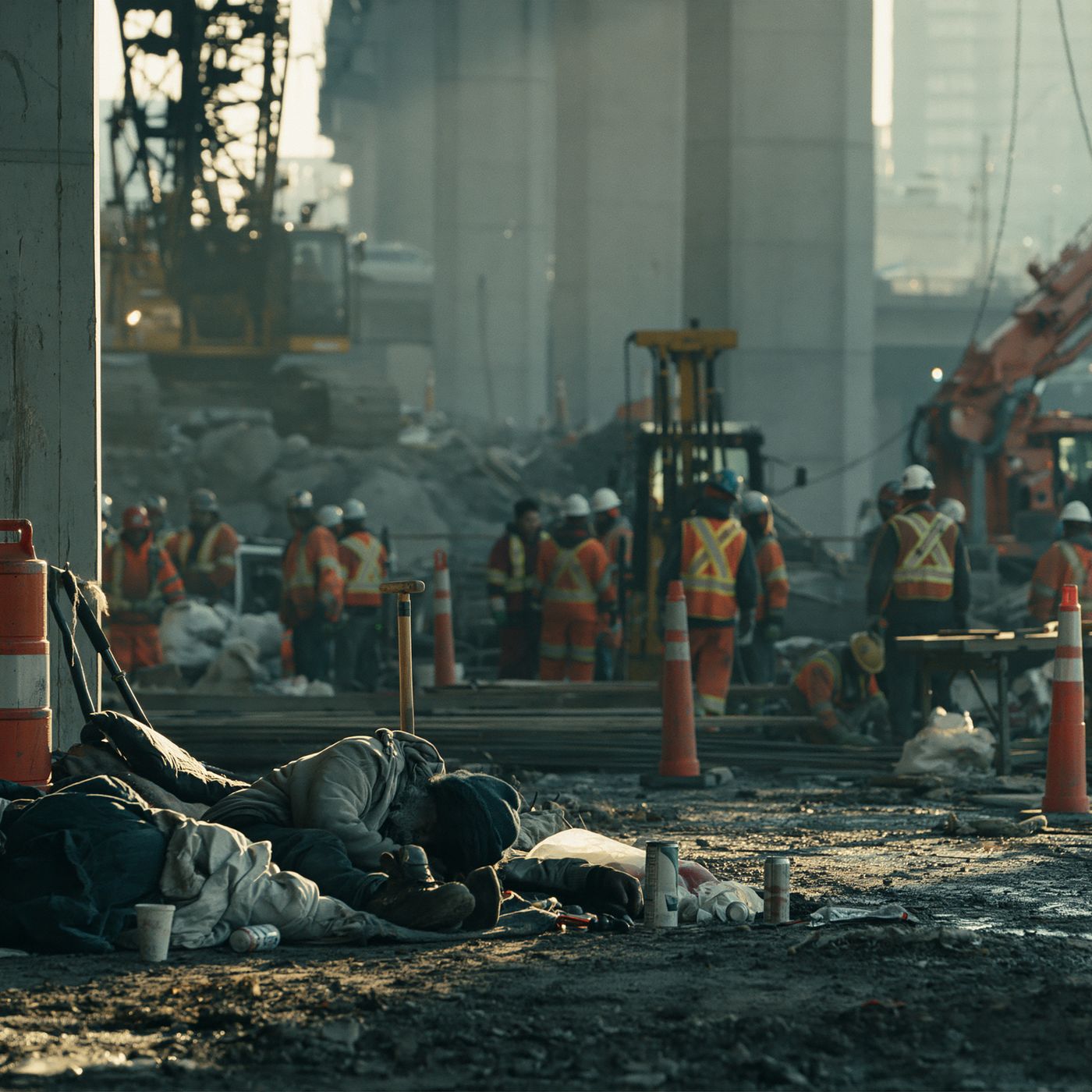
Overview of Episode 368
This episode of Sword and Scale follows the investigation into the death of LaShawn Keith, a 33-year-old homeless man found dumped in a field in Van Buren County, Michigan in November 2022. After 16 months of dead ends, a DNA hit on a glove at the scene led detectives to Ruben Ochoa, then to two road crew workers, Zachary Trainor and Brian Wimbley, whose conflicting confessions eventually revealed a violent confrontation under a bridge that ended in Keith’s death and body disposal.
The Crime Scene and Initial Investigation
What detectives found
- Keith’s body was discovered in a remote field near a pond, accessed by a muddy path.
- Evidence suggested the body had been dumped, not that Keith died there:
- He was found without shoes
- His clothes were disheveled and appeared dragged
- Tire tracks were present near the body
- His injuries were severe:
- Broken femur
- Broken ribs
- Extensive bruising and trauma
- His wallet identified him as LaShawn Keith, who had family in Georgia.
Early investigative dead ends
- The man who reported the body was initially a person of interest, but detectives ruled him out.
- The key breakthrough came from a single glove found near the body.
- The glove’s DNA eventually matched Ochoa, though it took months to appear in CODIS.
How the Altercation Started
The setting
- Zachary Trainor and Brian Wimbley were working road construction near an overpass.
- Keith, who was living under the bridge/overpass area, saw that as his home and grew hostile toward the crew.
- Both workers described Keith as aggressive, combative, and threatening.
The conflict escalates
- The men claimed Keith threw rocks, made threats, and caused ongoing tension at the job site.
- On Halloween night, after drinking heavily, Zach and Brian returned to confront him.
- Both men later admitted they had gone back intending to “kick his ass,” but each tried to minimize his own role and blame the other.
The Assault and Death
Conflicting versions, same outcome
Both Zach and Brian described a violent confrontation involving hammers:
- One said the other initiated the attack.
- One claimed he only intervened or tried to stop things.
- Both admitted to striking Keith during the altercation.
Key physical details that matched the confessions
- A sledgehammer/claw hammer was used.
- Keith’s broken femur and rib injuries aligned with the beating.
- He was left alive but badly injured, lying near the tracks.
The fatal outcome
- Zach later realized Keith was not getting up.
- The men returned and found him dead the next day.
- Instead of reporting it, they tried to conceal what happened.
Body Disposal and the Role of Ochoa
Ochoa’s involvement
- Ochoa admitted he helped move the body, but denied participating in the killing.
- He told detectives he was contacted after the fact and helped transport the wrapped body from the scene.
- His story lined up with enough evidence to confirm his role as an accessory, not the killer.
Why his confession mattered
- His DNA on the glove tied him to the scene.
- He helped detectives understand how Keith got out of the field and why the body was eventually moved.
Investigation Outcome
Charges and pleas
- Zachary Trainor and Brian Wimbley were both charged with second-degree murder.
- Neither went to trial; both accepted plea deals and pleaded guilty to second-degree murder.
- Ruben Ochoa pleaded guilty to accessory after the fact.
Sentences
- Trainor and Wimbley: 15 to 30 years in prison
- Ochoa: 1.5 years in prison
Main Takeaways
- The case was solved through a combination of forensic DNA, patient detective work, and interrogations.
- The suspects’ stories contradicted each other on details, but both confirmed the essential truth: they participated in a violent assault that killed Keith.
- The episode emphasizes that:
- Remorse is not the same as accountability
- A fatal outcome can follow from anger, alcohol, and group violence
- Keith, despite being unhoused and difficult to deal with, still deserved basic human dignity and protection
Notable Themes
- Personal responsibility vs. blame-shifting
- Violence fueled by alcohol and resentment
- The vulnerability of unhoused people
- How forensic evidence can unlock a cold case
- The difference between regret and true accountability