Overview of Episode 363
This episode of Sword and Scale covers the 2024 Washington City, Utah double homicide committed by Mia Bailey (born Colin Bailey), followed by an hours-long manhunt and armed standoff in nearby St. George. The episode combines crime reconstruction, 911 audio, witness interviews, and prosecutor commentary with the host’s strong editorial framing around gender dysphoria, mental illness, family conflict, and the decision to pursue a plea rather than the death penalty.
What Happened in the Case
- Mia Bailey went to her parents’ home on June 18, 2024, despite a restraining order.
- She fatally shot both parents:
- Joseph Bailey
- Gail Bailey
- When her brother Corey and his wife were downstairs, they heard gunfire and escaped through a window before being shot.
- Mia then fled in a yellow Kia Soul.
- Police later found her hiding in a half-built subdivision, lying in weeds with a gun to her head.
- Officers negotiated with her for nearly an hour before she surrendered peacefully.
Investigation and Evidence
911 Calls and Immediate Chaos
- Dispatch received multiple calls:
- one from a neighbor who heard gunshots and saw the yellow Kia leave
- another from a survivor who believed their parents had been shot upstairs
- The transcript emphasizes the frantic uncertainty inside the house while police worked to secure the scene.
Scene at the House
- Investigators found a grim but eerily ordinary setting:
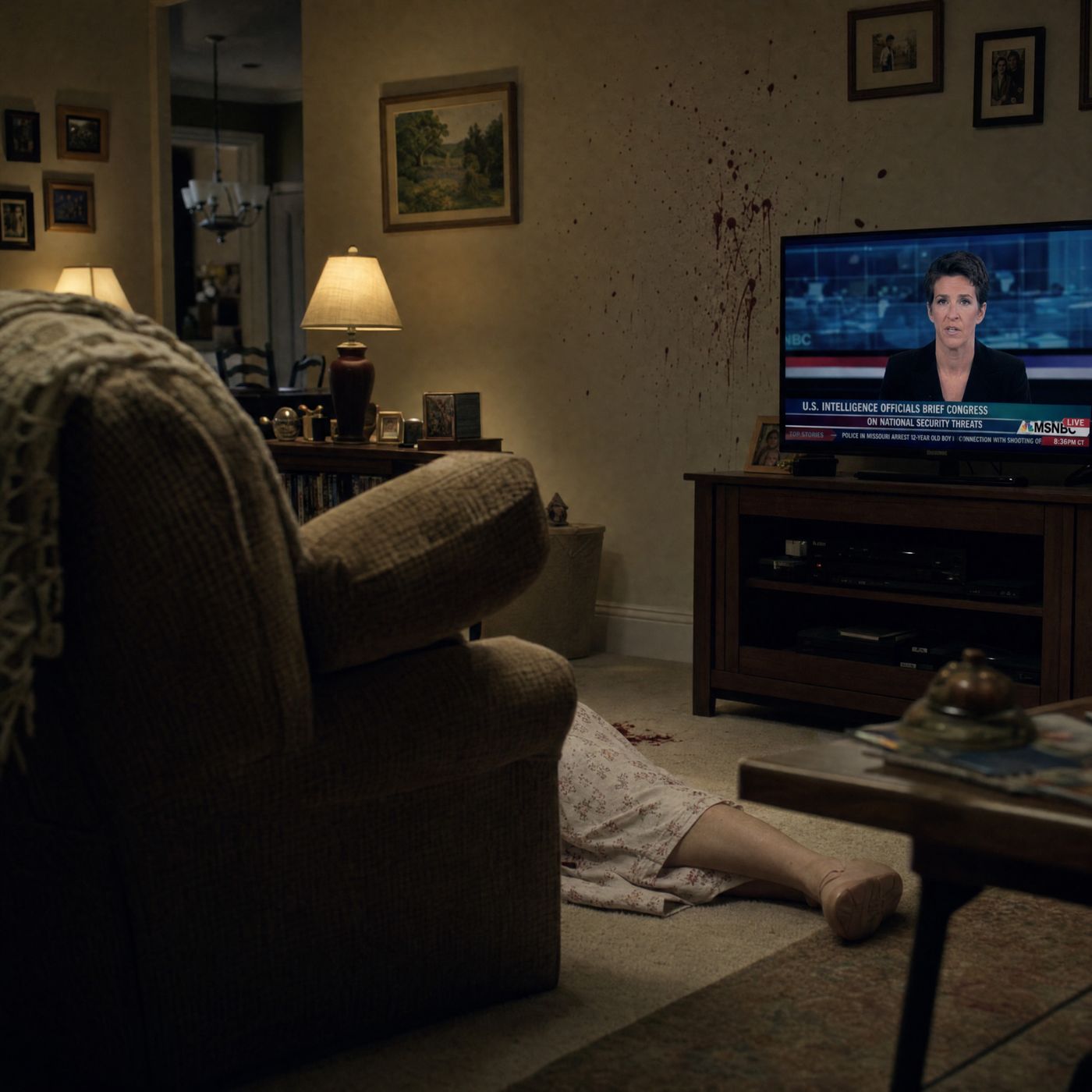
- MSNBC still playing on the TV
- Joseph found with a gunshot wound to the forehead
- Gail found near the sofa, shot in the back of the head
- children’s toys in the basement, underscoring how close Mia came to killing others in the home
Witnesses and Background
- A boyfriend she had been seeing briefly described her as depressed, fast-moving in relationships, and someone who had mentioned self-harm.
- Her aunt said Mia seemed calm earlier that same day.
- Another witness mistakenly thought she had met a man, later realizing it was Mia and noting her voice and presentation seemed different.
- These interviews paint a picture of someone who could appear functional while also being unstable and escalating privately.
Mia Bailey’s Motive and Mental Health Claims
During police interviews, Mia said:
- the murders were tied to her feeling that this was her “last hope”
- she blamed her parents for blocking or delaying sex reassignment surgery
- she felt abandoned, unsupported, and attacked by family and the community
The episode also discusses her reported history of:
- depression
- ADHD
- autism
- possible psychosis or schizophrenia-like symptoms
- a recent psychiatric hospitalization
A large portion of the episode shifts into a broader discussion with psychiatrist Dr. Stephen Levine about:
- gender dysphoria vs. broader mental illness
- whether surgery can solve underlying psychological distress
- the risk of treating transition as a cure-all for unstable people
Legal Outcome
Charging Decision
Prosecutors considered the death penalty but decided not to seek it, citing:
- the lack of torture-style aggravation
- Mia’s mental health issues
- the fact that she seemed to want death as an outcome, which prosecutors said they did not want to “reward”
Sentencing
After being found competent and later pleading guilty but mentally ill, Mia was sentenced to:
- 25 years to life for Joseph Bailey’s murder
- 25 years to life for Gail Bailey’s murder
- 0 to 5 years for aggravated assault
- all ordered consecutively, meaning at least 50 years minimum
Family Impact
The sentencing portion focuses heavily on the Bailey family’s statement:
- They described Joseph as hardworking and responsible.
- Gail was portrayed as a devoted mother who spent years advocating for her children’s needs, including mental health support and school accommodations.
- Family members asked the court for accountability, safety, and recognition of the lives that were taken.
The episode also notes that Mia’s brothers were split on what they wanted from the case, making the family response especially painful and complicated.
Broader Themes and Tone
This episode is not just a true-crime narrative; it is also a politically charged commentary. The host uses the case to argue that:
- identity struggles do not excuse violence
- mental illness and grievance can be intertwined
- family conflict should not be reduced to a simple “supportive vs. unsupportive” storyline
- social affirmation of gender identity can be harmful when it overlaps with severe instability
The tone is highly judgmental and openly hostile toward Mia’s identity and motives, especially in the final sections.
Key Takeaways
- Core crime: Mia Bailey murdered both parents and nearly killed other family members.
- Trigger claimed: she blamed the murders on losing access to gender-affirming surgery and feeling unsupported.
- Mental health: the episode repeatedly emphasizes possible psychosis, depression, and other diagnoses.
- Outcome: she ultimately received two consecutive life sentences.
- Framing: the episode uses the case to make a broader argument about accountability, mental illness, and transgender identity politics.
Notable Detail
- The most striking contrast in the episode is between the ordinary family-home setting and the sudden eruption of violence: TV on, toys downstairs, a normal evening cut short by murder and a manhunt.