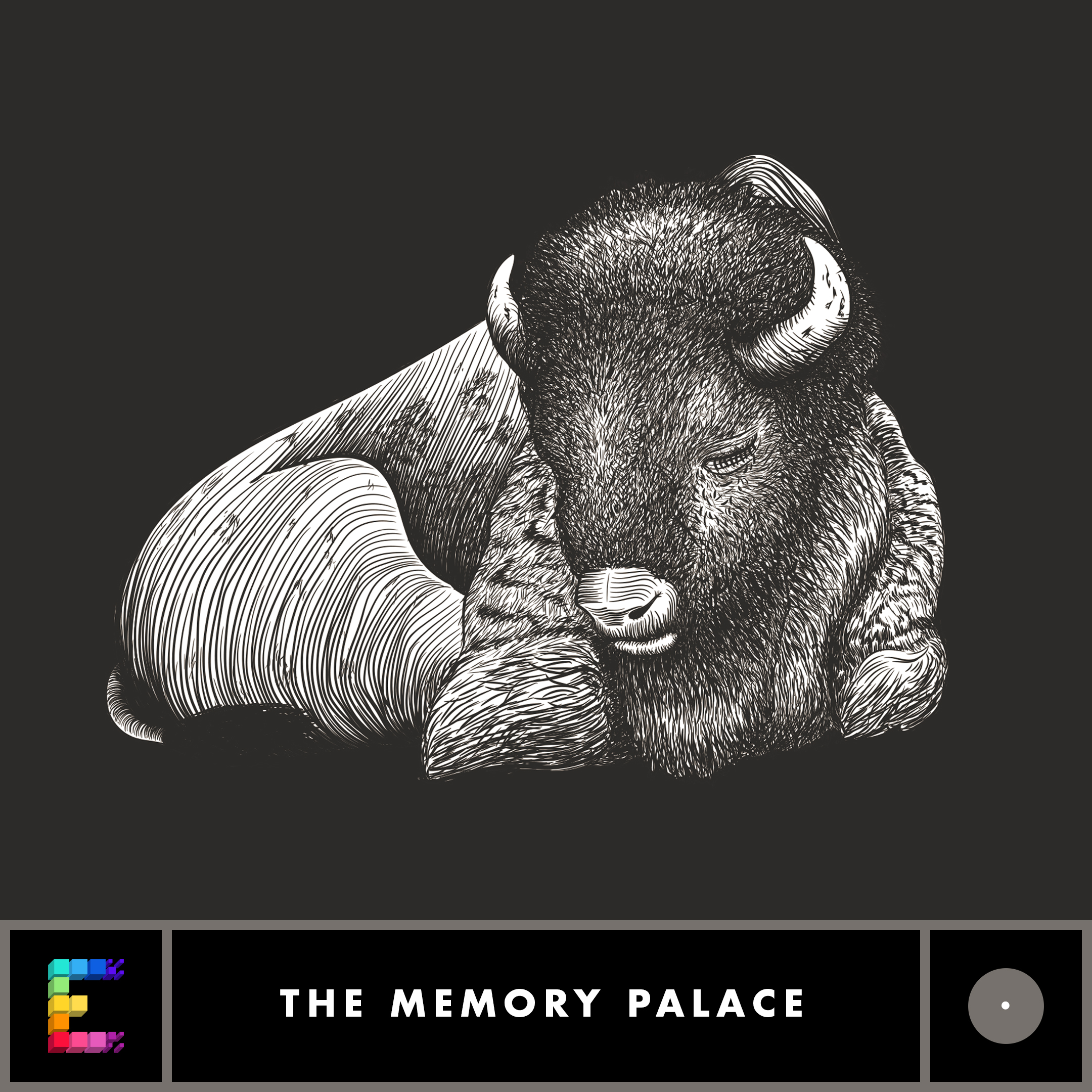
Overview of The Memory Palace: The Thundering Herd, The Vanishing American
This Song Exploder episode is a two-part feature: first, Hrishikesh Hirway plays Nate DiMeo’s Memory Palace episode “The Thundering Herd, The Vanishing American,” a poetic short documentary about the Catalina Island bison and the larger history of the American buffalo. In the second part, Hrishikesh explains how that Memory Palace episode unexpectedly unlocked the final verse and emotional center of his song “Rollercoaster.”
Part 1 — Summary of the Memory Palace episode (Nate DiMeo)
- Setting: Catalina Island, 23 miles off Los Angeles. Two Harbors, hiking trails, seaside resort atmosphere.
- Core story: The island’s famous herd of bison (often called buffalo) — about 150 on Catalina — and the uncertain origin story of how they arrived there.
- Myth vs. evidence:
- Popular tourist lore: a small herd was brought by Paramount Pictures in 1925 for the film The Vanishing American and left behind when production cut costs.
- Another version points to The Thundering Herd. Both film-based origin stories were investigated and largely debunked by researchers who located prints showing the movies’ herds were filmed on the mainland (likely Montana).
- The true origin is unclear: possibilities include other productions, speculative importation by an entrepreneur, or the Wrigley family (island owners) acquiring exotic animals.
- Historical context: the near-extinction of the American bison in the 19th century.
- Early 1800s: estimated 30–60 million bison across North America.
- Rapid decline due to rifles, market hunting, railroads, habitat disruption, and commercial uses (meat, bones, hides, belts for machinery).
- Catastrophic die-offs: eg. 5.4 million killed in a three-year span (1872–1875); by 1884 only ~300–500 remained.
- Conservation and contradiction:
- The American Bison Society (early conservation effort) helped save the species by moving animals into preserves and raising public/political support.
- Key figures (William Hornaday, President Theodore Roosevelt, Madison Grant) aided recovery—but Grant was a noted eugenicist whose racist writings later influenced Nazi ideology. The episode stresses learning from accomplishments while acknowledging moral failings.
- Modern status:
- Today there are roughly 450,000 bison, but most are raised as livestock; only a small fraction are in conservation herds.
- Catalina’s herd is cared for by the Catalina Island Conservancy and exists as an emblem of both preservation and displacement.
Part 2 — How the episode influenced Hrishikesh Hirway’s song “Rollercoaster”
- Songwriting backstory:
- Initial idea: Hrishikesh sketched the song in co-writes with Fen Lily (September 2023), capturing the feeling of being internally disconnected during externally “great” moments. A persistent line: “What if this goes on and on and on.”
- Further work with Uade produced a new verse and chorus, but the song still felt incomplete.
- The epiphany:
- On a hike to Griffith Observatory, Hrishikesh listened to the Memory Palace episode. Nate DiMeo’s delivery and the story of the displaced Catalina bison crystallized the song’s emotional center.
- He wrote a new verse about buffalo on Catalina, folding questions of displacement, memory, and belonging into the song’s imagery.
- Resulting lyrics (excerpt added to "Rollercoaster"):
- “Out on Catalina / There’s a hundred buffalo / The only home they’ll know / Did they dream the great plains as they breathe in the salt air? / Can you miss the place you’re meant to be if you were never there?”
- These lines tie the buffalo’s uncertain origin and experience of displacement to the song’s themes of estrangement and repetition (“Does it go on and on and on?”).
- Practical notes:
- “Rollercoaster” evolved from collaborative sessions + a single triggering narrative (the Memory Palace episode) that supplied the image and emotional logic the song needed.
Key takeaways & themes
- Displacement and memory: Catalina’s bison embody how species—and people—can be physically relocated and adapt without remembering original homelands, raising questions about longing and identity.
- Conservation’s moral complexity: early conservation successes are entwined with problematic figures and ideologies (e.g., Madison Grant), highlighting the need to reckon with history while preserving nature.
- Storytelling as creative catalyst: listening to a well-crafted narrative can provide the precise image or emotional frame a musician needs to complete a piece.
- Scale vs. comprehension: huge historical numbers (millions killed) are hard to emotionally grasp; smaller, concrete images (hundreds of buffalo, a herd on an island) can make history feel immediate.
Notable quotes
- “Can you miss the place you're meant to be if you were never there?”
- “What if this goes on and on and on?” (song refrain that originated in co-writes before being completed by the Memory Palace influence)
- On conservation: “If you are looking for inspiration in the American Bison Society, look at their model, look at their achievements, but don't go looking for heroes.”
Practical info / Where to listen
- Memory Palace episodes: thememorypalace.us
- Hrishikesh Hirway / Song Exploder links mentioned:
- Album: In the Last Hour of Light (released April 24 — check rishikesh.co for details)
- Tour & tickets: rishikesh.co/live and songexploder.net/live
- Podcast networks: Both Song Exploder and The Memory Palace are part of Radiotopia from PRX.
Production credits (from the episode)
- Memory Palace episode: Nate DiMeo (host)
- Song Exploder episode: Hrishikesh Hirway (host/producer), Mary Dolan (producer), Tiger Biscop (production assistance), artwork by Jess Gupta.
- Both shows are Radiotopia members.
If you want the emotional through-line without listening to the full shows: focus on the Catalina buffalo as a compact, resonant image of displacement and survival—the exact image that completed Hrishikesh’s song.