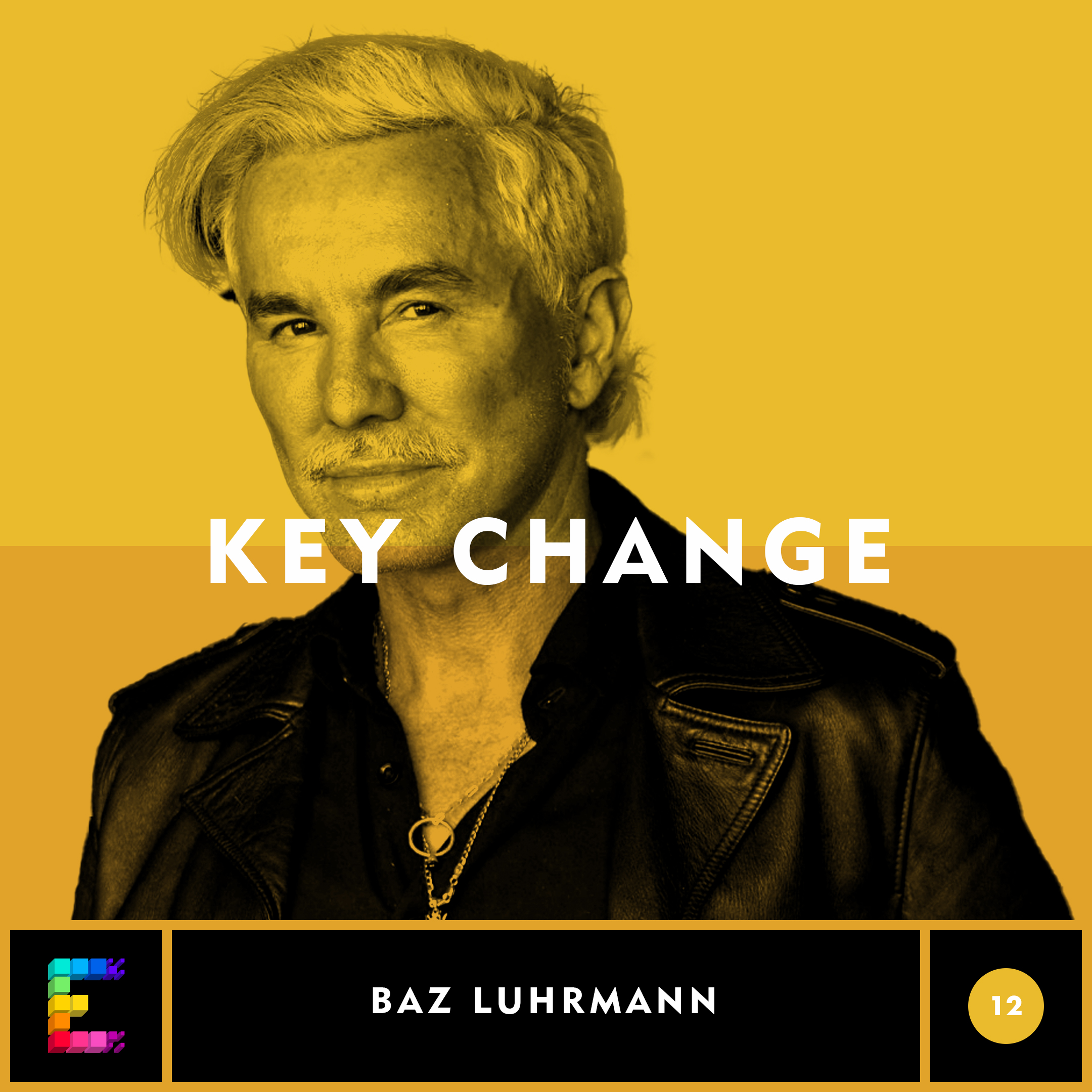
Overview of Key Change: Baz Luhrmann on "Time After Time"
This episode of Key Change (hosted by Hrishikesh Hirway) is a conversation with filmmaker Baz Luhrmann about how Cyndi Lauper’s "Time After Time" became a pivotal piece of music for his early career—most notably its central role in his breakout film Strictly Ballroom. Luhrmann traces his working‑class Australian upbringing, early dance/theatre training, his devising process for the stage play that became Strictly Ballroom, and how a chance moment hearing the song crystallized a key montage and emotional core for the piece. He also reflects on recurring themes in his work and how the soundtrack experience shaped his later involvement in music and marketing for his films.
Key moments from the conversation
- Baz’s childhood in Erins Creek (northern New South Wales): father’s reel‑to‑reel tape, eclectic musical exposure, and a homemade “radio” that sparked his early love of sound and performance.
- Early ballroom dancing, regional competitions, and the theatrical world that informed Strictly Ballroom’s setting and characters.
- Rejection from NIDA, later acceptance, and the devising process (devised theatre exercises, the “hot chair”) that led to the play’s concept.
- The creative fusion of myths: Greek triumph‑over‑oppression + the Ugly Duckling as the underpinning narrative for Strictly Ballroom.
- The epiphany: hearing "Time After Time" on the radio while buying a cassette player and deciding it would be the montage/heart of the show.
- How the song was staged: a Brechtian montage that conveys time passing, learning, and gossip via choreographed movement.
- Soundtrack and rights: a newly recorded duet for the film performed by lead actress Tara Morice and a local pop singer; Baz’s frustration with how the soundtrack was initially handled led him to take a hands‑on approach to music/packaging in his films.
- Contemporary tie‑in: Baz’s new film Epic Elvis Presley in Concert is in theaters.
How "Time After Time" was used in Strictly Ballroom
Purpose
- Serves as the central montage that shows the passage of time, skill development (Scott teaching Fran), and community gossip about the protagonists.
- Acts as an emotional touchstone: the lyric “If you fall, I will catch you / I’ll be waiting” mirrors the film’s themes of trust, support, and creative courage.
Choreography & musical fit
- Though the song feels like a slow ballad, Baz identified its underlying cha‑cha rhythm and 4/4 structure that allowed it to function as both a cha‑cha and a rumba.
- The sequence was staged on an open black floor; repeating spins and chorus refrains create a montage effect (Brechtian device).
- Ensemble movement functioned as a Greek chorus/gossip machine while the lovers danced along the sides—head‑turning and shifting formations signaled social change and the passing of time.
Recording choice
- Rather than using Cyndi Lauper’s original on the soundtrack, Luhrmann produced a duet version (to emphasize the two‑person relationship at the heart of the story) sung by Tara Morice and a pop artist. Rights, label involvement, and production context influenced this choice.
Baz Luhrmann’s creative process and recurring themes
- Luhrmann is a “serial collaborator”: his work is often devised or co‑written rather than solitary authorship.
- He repeatedly explores outsider/underdog narratives (the “ugly duckling” motif) and the conflict between rule‑bound authority figures and creative individuals.
- He recognizes patterns across his films: recurring archetypes (kind grandmother, florid overlord) and a tendency to tell the same core story about revelation and transformation.
- His formative experience with music and self‑broadcasting led to a non‑hierarchical approach to musical genres—any kind of music is simply “music” to him.
Production & business notes
- Strictly Ballroom moved from stage to film with initial backing from Ted Albert; after Albert’s death his wife backed the film.
- Miramax eventually picked up the film and it became internationally successful; Baz felt the soundtrack’s marketing could have been better handled, prompting him to take a more active role in music and packaging for future projects.
Main takeaways
- A single song can unlock structure, emotional logic, and choreography for a larger work—Baz’s discovery of "Time After Time" is an example of a musical epiphany that reshaped a project.
- Devising methods (hot chair, myth fusion) can surface collective subconscious themes and yield clear theatrical/filmic devices.
- Musical rhythm and meter matter for choreography even when a song feels like a ballad; careful listening to underlying beats can reveal dance possibilities.
- Creative careers are shaped as much by serendipity (hearing a song at the right moment) as by persistence and collaboration.
Notable quotes & lyrical touchstones
- Baz on the moment he heard the song: “That’s it. That’s the song.” (epiphany moment)
- Lyric cited as thematic anchor: “If you fall, I will catch you / I’ll be waiting / Time after time.”
- On his working method: “I’m a serial collaborator… you shape up, you feel, you work off each other.”
Where to watch/listen / next steps
- Watch Strictly Ballroom (the film) to see how the "Time After Time" sequence functions cinematicly.
- Baz Luhrmann’s new film mentioned in the episode: Epic Elvis Presley in Concert (in theaters/IMAX at time of episode).
- For more context and music discussed in the episode, see the Song Exploder Key Change page and the playlist at songexploder/keychange (as referenced in the episode).