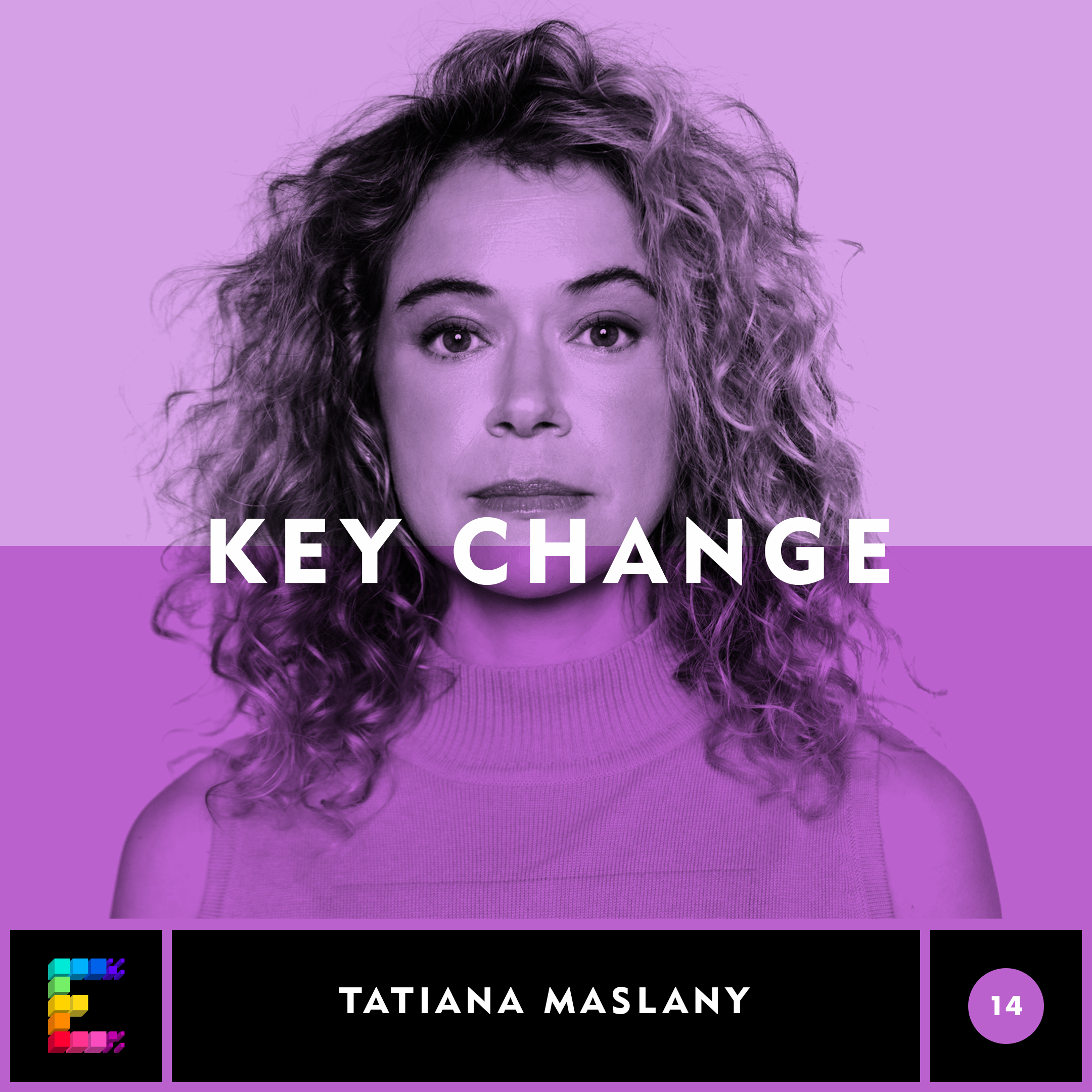
Overview of Key Change: Tatiana Maslany on “Faceshopping” by Sophie
In this Key Change conversation, actor Tatiana Maslany explains why Sophie’s “Faceshopping” became such an important song in her life and creative process. Maslany, known for playing multiple distinct characters in Orphan Black and both Jennifer Walters and She-Hulk in Marvel’s She-Hulk, talks with Hrishikesh Hirway about how music helps her access character, emotion, rhythm, and identity. For her, Sophie’s music is not just inspiring—it feels like a direct reflection of who she is as an artist.
Why “Faceshopping” Hit So Hard
Maslany first heard the song years ago when her brother Daniel played it for her and another brother, Michael, while they were driving in Canada. Her immediate reaction was, essentially, “there I am.” That moment mattered because the song felt intensely personal and recognizable.
What stood out to her most:
- the sparse, hard-hitting beat
- the industrial, metallic “clanging” textures
- the contrast between harsh sounds and pop femininity
- the song’s unusual structure, including a break that seems to reset the track
- the feeling that it was rebellious, strange, and specific
For Maslany, those qualities made the song feel like an artistic mirror: something that captured both intensity and vulnerability at once.
Music as Part of Her Acting Process
Maslany describes music as central to how she prepares for roles. She uses songs to:
- get into a physical and emotional headspace
- find a character’s rhythm or energy
- tap into a person’s inner life, even if the choice isn’t literal or “logical”
She gives examples of using very different kinds of music for different characters:
- The Yeah Yeah Yeahs for a 1930s preacher character, to channel raw feminine power
- The Streets, Dizzee Rascal, and The Prodigy for one Orphan Black character
- show tunes for another
Her point is that music helps her isolate different parts of herself and then amplify them into performance.
Sophie, Multiplicity, and Identity
A major theme of the conversation is multiplicity—the idea that one person can contain many selves.
That idea connects strongly to:
- Orphan Black, where Maslany played many clones with distinct identities
- She-Hulk, which she saw as an inversion of the same idea: one body, but radically different social perception after transformation
- Sophie’s music, which she feels expresses different facets of self through sound
Maslany says Sophie’s work helped awaken something in her about what kind of artist she wanted to be: not necessarily polished or universally pleasing, but specific, strange, and fearless.
Sophie’s Legacy and Maslany’s Connection to It
Maslany also reflects on Sophie’s death in 2021, describing it as deeply upsetting and surreal—especially because her brother called her that same morning, and their family was also dealing with the death of their grandmother that day.
She says she listened to Sophie every day for about three years after her death, partly as a way of processing the loss and partly as a way of honoring the music. Even now, she returns to “Faceshopping” often and still hears new details in it.
Key Takeaways
- “Faceshopping” felt like an identity song to Maslany—something that recognized her before she could fully explain it.
- She values music that is difficult, inventive, and slightly abrasive.
- Her acting process is deeply tied to sound, physicality, and emotional texture.
- She sees artistic freedom as being willing to be specific, strange, and not always universally likable.
- Sophie’s music remains a lasting influence on how Maslany thinks about performance, transformation, and selfhood.