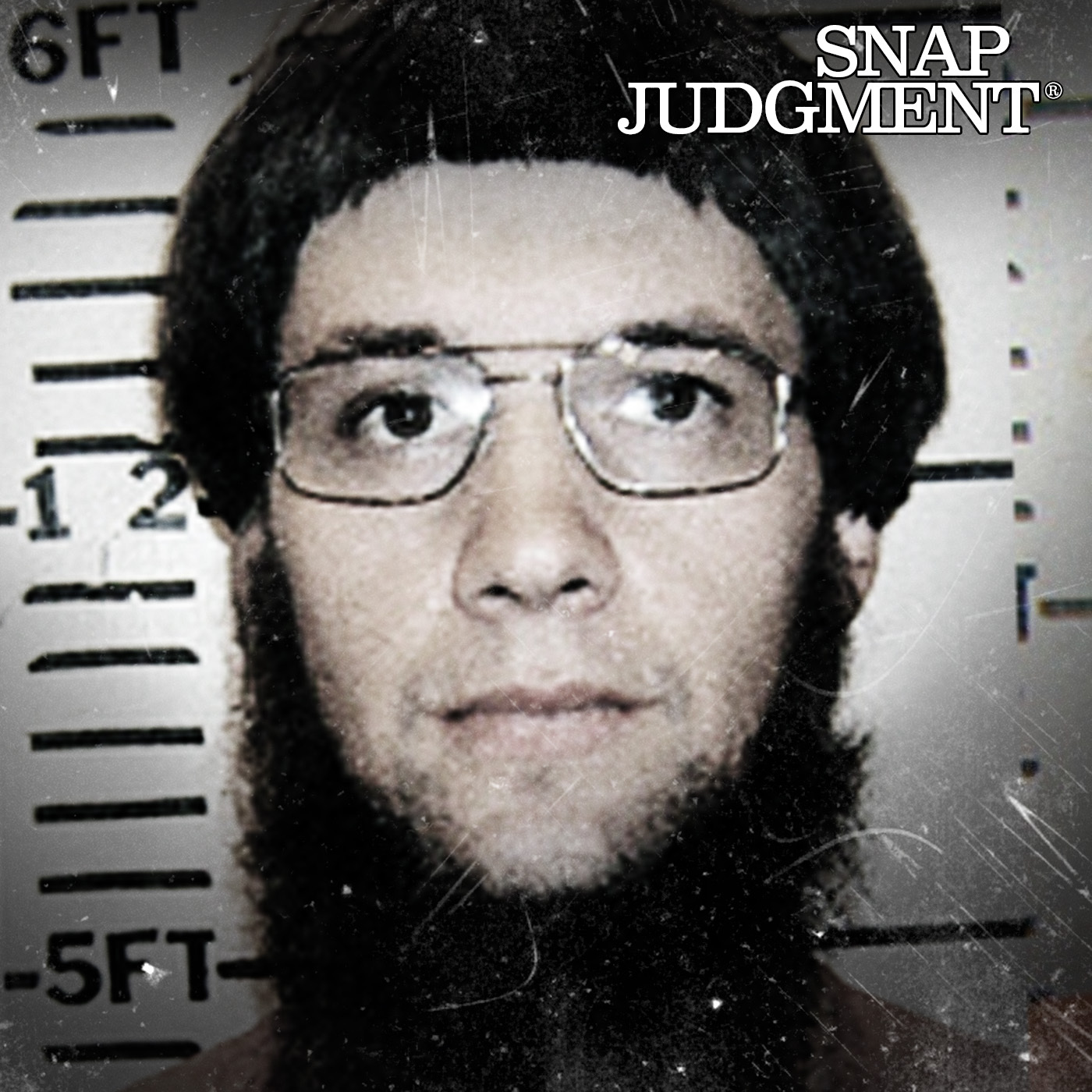
Overview of The Cut — Snap Classic
This episode of Snap Judgment (“The Cut”) tells the true story of Johnny Mast and the Bergholz, Ohio breakaway Amish community led by Sam Mullet. It traces how hair and beards—symbols of identity and religious belonging—became tools of control, humiliation, and violence. The narrative follows Johnny from a teenager craving his grandfather’s approval to a young man caught up in the group’s coercive punishments, the 2011 beard-cutting attacks that drew federal attention, and Johnny’s eventual departure and attempts to rebuild his life.
Story summary
- Setting: Bergholz (Burgholz), a small insular breakaway Amish community in northeastern Ohio led by a controlling bishop, Sam Mullet.
- Johnny Mast grows up with strict dress/hair codes (bowl cuts for men, prescribed beards once married). He idolizes his grandfather Sam and seeks approval.
- Sam institutes a “mass confessional”: everyone must write down sins. Families who refuse or are judged insincere are publicly shamed and expelled from Sam’s house (example: Johnny’s family being sent out on Christmas).
- Johnny moves in with Sam and becomes loyal—reporting on neighbors, participating in enforcing Sam’s rules, and later acting as the community’s barber to “fix” humiliating haircuts Sam orders on those deemed sinners.
- Punishments include isolation (Levi Miller forced to live in a chicken coop), public humiliation, and forcible cutting of men’s beards and women’s hair. Johnny buys electric clippers (from Walmart) to trim and tidy the victims after botched forced shavings.
- Escalation: In October 2011, groups from Bergholz forcibly entered homes in other Amish communities and cut men’s hair/beards. Photos and a camera were buried in the woods as evidence.
- Federal investigation: The beard-cutting was prosecuted as a hate crime. Fifteen people from Bergholz were convicted; Sam Mullet received the longest sentence (about 15 years). Johnny unearthed the buried camera and cooperated to avoid imprisonment.
- Aftermath: Sam continues to exert influence from prison; abuses and coercive practices reportedly recur. Johnny left the community, earned a GED, now lives outside Bergholz with a partner and children, shoes horses, and reflects on how the need for approval made him complicit.
Key characters and setting
- Johnny Mast — narrator’s primary subject: grew up in Bergholz, sought grandfather’s approval, served as both enforcer and cleaner-up barber, later left community.
- Sam Mullet (bishop) — dominant leader who demanded confessions and enforced punishments; later convicted and imprisoned.
- Levi Miller — example of a victim forced into the chicken coop and publicly humiliated by beard/hair cutting.
- Bergholz/Burgholz — small breakaway Amish community in Ohio (insular, conservative dress/hair codes, controlled social structure).
Timeline / Major events
- Family confessional ordered by Sam → Johnny’s family expelled from Christmas dinner → Johnny moves in with Sam.
- Sam enforces public punishments: shaming, chicken-coop isolation, forced hair/beard cuttings.
- Johnny buys clippers, helps “fix” botched shavings.
- October 4, 2011: groups from Bergholz commit forcible beard/hair cuttings in other Amish communities; photos taken.
- Federal investigation ensues; camera buried and later retrieved by Johnny under subpoena.
- Convictions and sentences (including Sam’s prison term). Reports of continued influence from prison and recurring abuses.
Main themes & takeaways
- Power, authority, and the “approval trap”: longing for approval from a dominant leader can drive ordinary people to participate in abusive acts.
- Identity and symbolism of hair: in the Amish context, hair and beards are sacred markers of community, dignity, and religious status—so cutting them is deeply humiliating and violent.
- Complicity and redemption: the story examines how perpetrators rationalize actions to belong or survive, and how leaving the community opens a path to change (but not always final escape from the leader’s influence).
- Abuse hidden behind religious structure: the episode shows how spiritual rhetoric (confessions, moral policing) can mask coercion and punishments that violate basic dignity and law.
- Legal and cultural collision: federal prosecutors framed the beard-cuttings as hate crimes against a protected religious practice, showing the limits of insular community self-policing.
Notable quotes and moments
- “I always wanted to have my grandfather’s approval, so when I finally had it, I ended up doing stuff that I regret.”
- “Cutting off an Amish man's beard is like ripping off a woman's clothes and making her walk around naked.”
- Johnny burying the camera in the woods (a pivotal moral turning point when he later unearths it for the investigation).
Further reading & resources
- Breakaway Amish — (credited in the episode) attributed to Johnny Mast and Sean Smucker (look up for firsthand account and context).
- Renegade Amish — (credited in the episode) likely referring to Don Kraybill’s work on nonconformist Amish groups (search “Don Kraybill Renegade Amish”).
- Snap Judgment podcast — listen to the full episode “The Cut” for the complete narrative and audio nuance.
Production notes
- Show: Snap Judgment (PRX).
- Producer credited: Shana Sheely.
- Original score: Renzo Gorio.
- Reporting and additional production by Snap Judgment team; special thanks to WYSU (Youngstown, OH).
- Sponsors/readers included TurboTax, Chime, Whole Foods, Warby Parker (advertisements present in episode).
This episode combines personal testimony and reporting to illuminate how religious authority can be weaponized, and how ordinary people—driven by approval and fear—can become both victims and perpetrators.