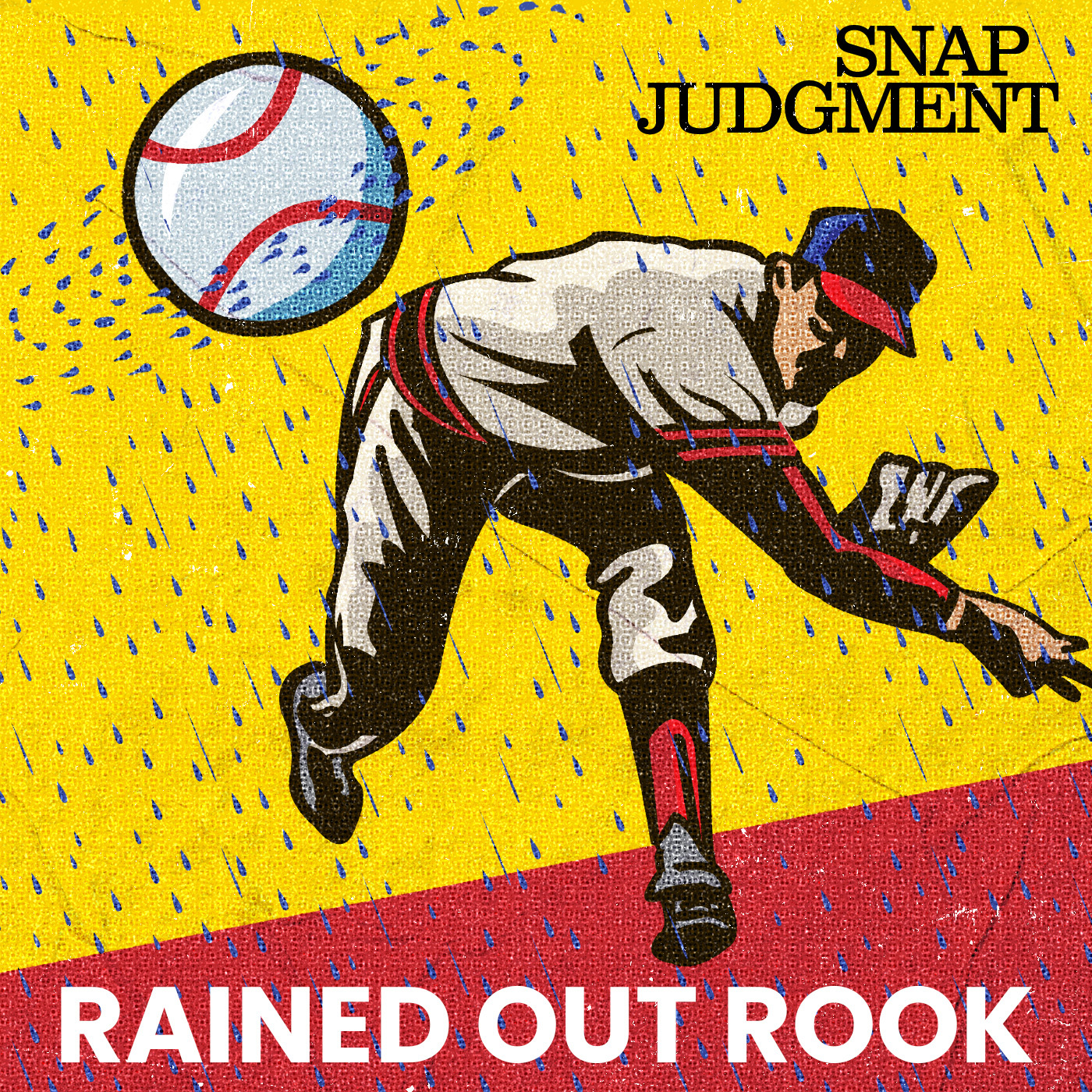
Overview of Rained Out Rook (Snap Judgment)
This episode tells the true story of Brian Mazone, a journeyman minor‑league pitcher who, after eight years of grinding through independent, foreign, and Triple‑A ball, is unexpectedly called up to make his Major League debut with the Philadelphia Phillies in September 2006—only to have the start rained out before he can pitch. The episode explores the emotional arc of getting “the call,” the cruel role of luck in baseball, the support of teammates and family, and Mazone’s transition out of pro baseball and into a new life.
Story summary
- Brian Mazone spent nearly a decade bouncing around independent leagues, international winter ball, and Triple‑A (Lehigh Valley) chasing a big‑league chance.
- On a September night in 2006, while dining with his wife and kids in Rochester, NY, he receives a late call: he’s being called up to start for the Phillies the next night.
- He arrives in Philadelphia, sees his name and number (49) on a major‑league locker, and experiences the emotional high of finally “being there.”
- Hours before the scheduled first pitch the next day, heavy rain floods the field; the game is postponed and then called. The Phillies need him back in the minors for their playoff push and send him down that same day.
- Mazone keeps the Phillies jersey from his locker as a memento. He never gets another call to the majors; he retires in 2010 at age 34 and later works in medical supply sales near San Diego.
- The story ends on reflective notes about baseball’s cruelty and the lasting, personal meaning of the brief moment he did get.
Key points & takeaways
- The narrative is a portrait of perseverance and the thin line between success and heartbreak in professional sports.
- Luck (and timing) is as decisive as talent in who reaches and stays in the majors—even a call‑up can be undone by forces outside the player’s control (e.g., rain, roster needs).
- Emotional impact matters: for Mazone, the experience validated his effort even without an official MLB appearance—he felt, for a moment, like “a big leaguer.”
- Transitioning out of sport is an identity shift; Mazone describes feeling “just a normal person again” after retiring and emphasizes family as a reason for stepping away.
- Small artifacts (the jersey) can carry huge meaning and help preserve a personal legacy.
Notable quotes and lines
- “Baseball is a game of skill, but it is also a game of luck. And sooner or later, baseball will break your heart.”
- “In that moment, I was a big leaguer. I was given the opportunity to be a big leaguer. It may not be on paper... but Mother Nature got the best of me that day.”
- “The point‑blank story of baseball is the game of failure.”
Themes and topics discussed
- The grind of minor‑league and independent baseball
- The emotional weight of “the call” to the majors
- How small, uncontrollable events shape careers
- Family sacrifice and support in professional sports
- Identity and life after athletic retirement
- Memorabilia and legacy (keeping the jersey)
Practical lessons / Actionable items
- For athletes facing transition: plan for post‑career work and prioritize family and long‑term stability.
- For anyone pursuing a high‑variance dream: recognize the role of luck and prepare emotionally for setbacks.
- Keep meaningful mementos—small objects can help preserve and share personal stories.
- If you’re documenting a life in sports (journalists, podcasters): focus on the human, not just the stats—moments like this reveal broader truths.
Additional context & production credits
- The piece was produced by Bo Walsh for Snap Judgment (PRX).
- The story was inspired by a Washington Post article by Dave Shinen; SnapJudgment.org links to that piece.
- Editing and music credits: edited by Anna Sussman; original score by Dirk Swartzov.
- After retiring from baseball, Brian Mazone moved into medical supply sales in the San Diego area.
If you want the full reporting and original article that inspired this episode, see the Washington Post piece referenced on snapjudgment.org.