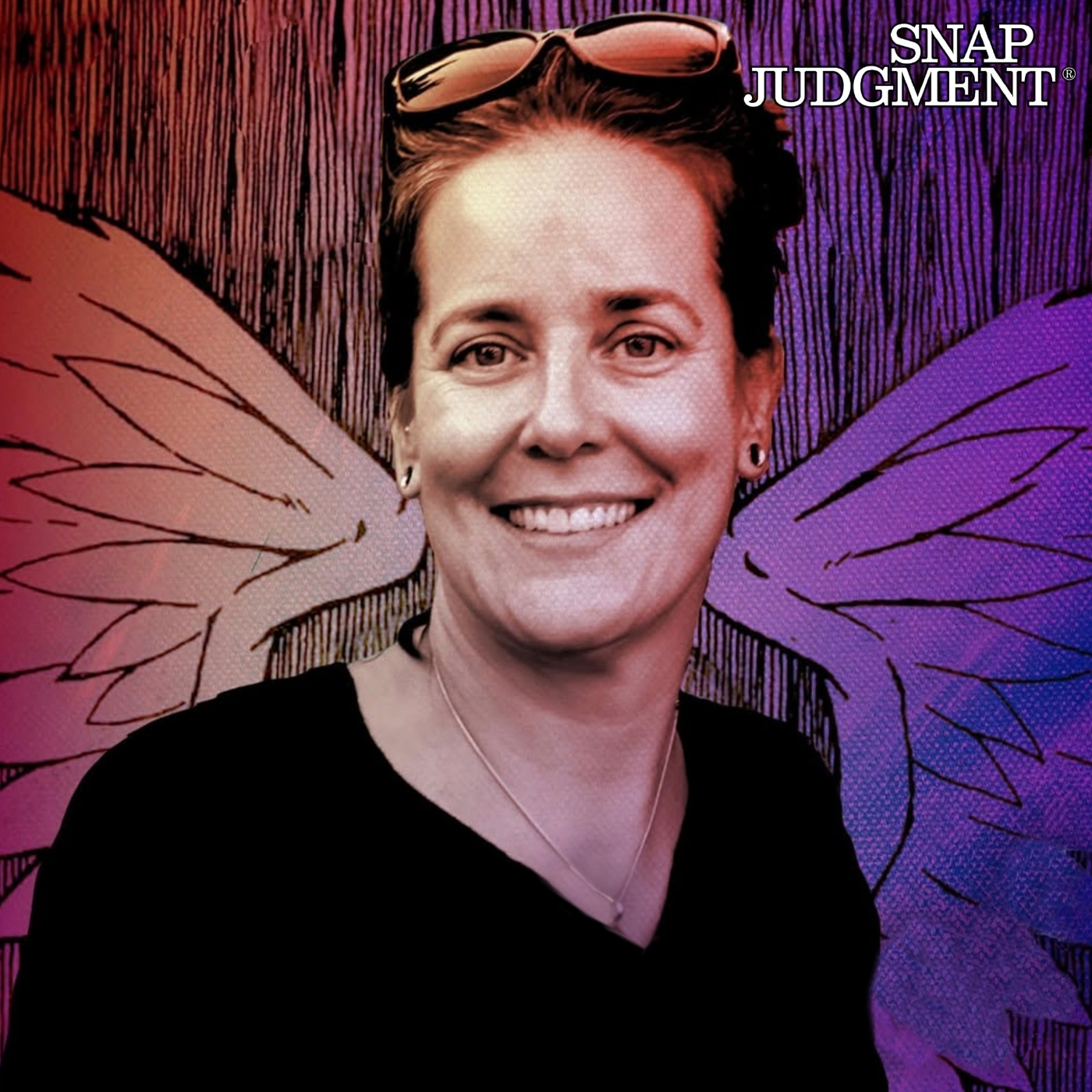
Overview of Jen Angel (Snap Judgment episode)
This Snap Judgment episode (produced by PRX) tells the real-life story of Oakland resident and activist Jen Angel, who was fatally injured during an attempted robbery. Rather than defaulting to a punitive response, Jen’s friends and chosen “estate” pushed for restorative justice alternatives for the person accused of driving the getaway car. The episode traces the crime, the community’s immediate response, the moral and racial tensions that followed, negotiations with the DA, and the eventual courtroom outcome and aftermath.
Timeline — key events
- Attack and death: Jen Angel was attacked during an attempted robbery in a bank parking lot; she was dragged by the getaway car, suffered severe head and skull injuries, and died on February 9, 2023 (age 48).
- Arrest: On June 2, 2023, 19-year-old Ishmael Birch was arrested; prosecutors alleged he drove the getaway car.
- Community organizing: Jen’s friends, who called themselves the “estate of Jen Angel,” quickly gathered at the hospital, raised funds, and drafted a public statement urging restorative justice in line with Jen’s values.
- Negotiations: The estate (including Jen’s fiancé Ocean, advocate Emily, and others) drafted detailed recommendations and engaged with Ishmael’s defense attorney and Alameda County DA’s office. New DA Pamela Price expressed interest in alternatives to incarceration.
- Plea and sentencing: A plea deal allowed Ishmael to plead to one count of second-degree robbery and voluntary manslaughter; the recommended sentence was seven years (with the judge calling the deal “unusual” but ultimately accepting it). The restorative elements requested by the estate were not formally included in the sentencing.
- Aftermath: AngelCakes transitioned to a worker-owned cooperative; Jen’s ashes were spread near San Quentin; Ishmael and Ocean have been in contact and are working toward a facilitated restorative meeting.
People and roles
- Jen Angel — victim, Oakland activist and bakery owner (AngelCakes); known for DIY activism and a commitment to alternatives to state punishment.
- Ocean Motley — Jen’s fiancé; former incarcerated person and a defense attorney by trade; central in pushing for non-carceral responses.
- Emily Harris — close friend and prison-advocacy professional who helped draft recommendations and organize the estate’s approach.
- Ishmael Birch — 19-year-old charged with driving the getaway car; pleaded no contest to lesser charges under a plea deal.
- Ashanti — Ishmael’s girlfriend; a key family voice for his side.
- DA Pamela Price — Alameda County district attorney at the time; publicly supportive of exploring alternatives to incarceration (later faced a recall).
- Defense attorney Annie Bellis — Ishmael’s lawyer who helped negotiate the plea.
Legal concepts explained
- Felony murder doctrine: If someone dies during the commission of a felony (here, robbery), co-participants can be charged with murder even if they didn’t intend to kill.
- Restorative justice: A set of practices focused on dialogue, accountability, community-based healing, and alternatives to incarceration. Typically more common in juvenile or lower-level cases; rare as a court-ordered sentence for violent felonies.
Main tensions and moral questions
- Victim-led justice vs. state-imposed punishment: Jen’s estate publicly requested restorative approaches consistent with her values, but not all family members agreed (Jen’s mother opposed restorative justice).
- Race and power dynamics: The estate pushing for restorative options was largely white; Ishmael and his family are Black — generating concerns about influence, motives, and whether community power imbalances affected outcomes.
- Accountability vs. compassion: Loved ones balanced grief, desire for accountability, and a commitment to alternatives that might prevent future harm without resorting to long incarceration.
- Limits of the system: Even with cooperation from victim-survivor advocates and a DA open to reform, the formal plea/sentencing process resisted including the estate’s restorative program specifics.
Courtroom moment and outcome
- Public hearing: Both families and community members attended; multiple friends of Jen spoke in support of a restorative approach.
- Judge’s stance: The judge described the plea as "unusual" and said she’d taken extra steps to review it, praised the courtroom’s compassion, and accepted the plea. She admonished Ishmael to “not let these people down.”
- Result: Plea deal reduced potential life sentence to a negotiated outcome (no contest to robbery and voluntary manslaughter) with a roughly seven-year term; restorative requests were not incorporated into formal sentencing.
Notable quotes and lines
- Estate statement summarizing Jen’s values: “Jen did not believe in state violence, carceral punishment, or incarceration as an effective or just solution to social violence and inequity.”
- Ishmael in court: “Words can’t explain how sorry I am…I want my actions after incarceration to explain my remorse.”
- Judge to Ishmael: “When you get out, don’t let these people down.”
Aftermath and legacy
- AngelCakes continues as a worker-owned cooperative and remains a community resource.
- Jen’s friends scattered some of her ashes near San Quentin — symbolically close to the prison they critique.
- Ocean and Ishmael have maintained contact and are working with an organization to facilitate restorative dialogue; a face-to-face conversation has been planned but not yet completed.
- Political fallout: DA Pamela Price faced a recall campaign (supporters of the recall cited being “soft on crime”).
Why this episode matters
- It highlights real-world complexity when victims’ communities don’t conform to expectations of mandatory punitive responses.
- It shows how restorative justice principles can be pursued even in violent cases — and the institutional and emotional barriers they encounter.
- It underscores how grief, race, power, and law intersect in community-driven approaches to accountability.
Practical takeaways / resources
- Restorative justice can be pursued by victims’ communities, but courts and prosecutors may be limited in their ability to incorporate nontraditional terms into sentencing.
- If you want to learn more:
- Read about restorative justice programs in your county or state (look for community organizations and DA victim-services units).
- Support community-based alternatives to incarceration (local nonprofits, restorative facilitators).
- If interested in how local policy shapes outcomes, follow local DA races and ballot measures that affect prosecutorial priorities.
- AngelCakes remains active as a worker-owned cooperative if you want to support the community legacy.
Credits: This summary is drawn from the Snap Judgment episode produced by PRX, which includes reporting, interviews, and field recording from Oakland community members and Jen Angel’s estate.