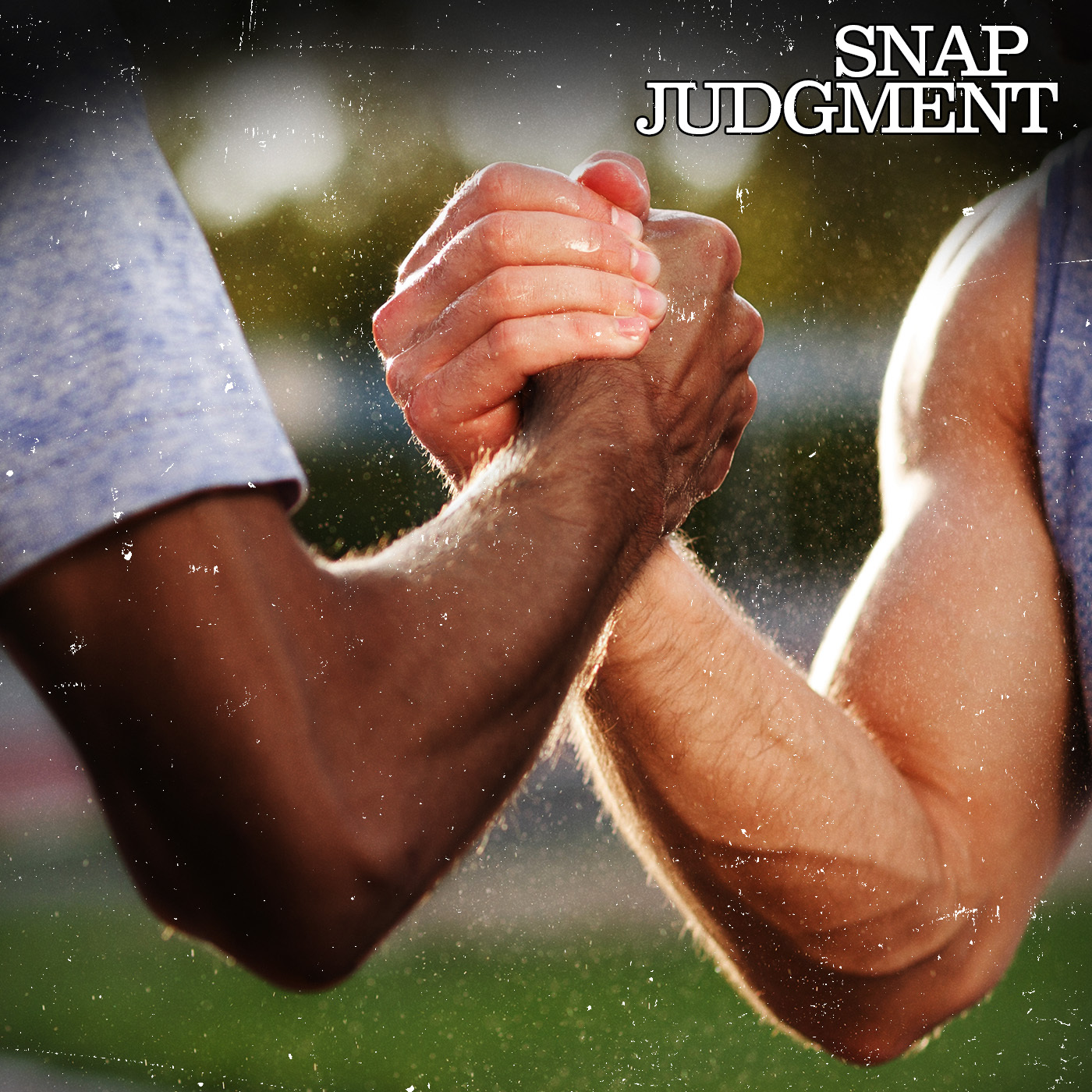
Overview of Bros Being Bros
This episode of Snap Judgment (Snap Studios / PRX), hosted by Glynn Washington, skewers “bro” culture through three true, live-told stories that mix humor, petty posturing, and unexpected consequences. The episode weaves a nostalgic radio prank that becomes an international incident, a personal fight that forces a reckoning about violence, and a neighborly parking feud that escalates into absurd vandalism and remorse.
Main segments
1) The Kevin & Bean Show prank: “Jerry Lewis calls the President of France”
- Setup: In 2003, LA morning radio show The Kevin & Bean routinely used Ralph Garman’s impressions (notably Jerry Lewis) to riff on news. During early Bush-era tensions over Iraq, the team devised a stunt: Ralph (as Jerry Lewis) would call random people in France and try to convince them to side with the U.S.
- What happened: Calls to ordinary French listeners went as expected—awkward and funny. Then they dialed what they thought was an operator; somehow the line was connected to the office of French President Jacques Chirac. Ralph, in character, ended up speaking directly with the president (or a highly placed official), who calmly argued against war and emphasized diplomacy.
- Aftermath: Management and lawyers panicked. The station was warned not to replay the recording and to destroy copies; Jerry Lewis threatened legal action. Despite the attempt to suppress it, staff members kept copies that went on to circulate. The segment became a rare moment where a throwaway comedy bit intersected with real-world politics.
- Takeaway: A lighthearted prank unexpectedly became a diplomatic, ethical, and legal headache—and revealed how improvisation can turn serious when it bumps into real authority.
2) Moshe Kasher — Fight in the Tenderloin
- Story: Comedian Moshe Kasher recounts a 31-year-old version of himself confronting drunken hecklers after a holiday-themed show in San Francisco’s Tenderloin. He threw a dreidel, got into a physical altercation after his hat was snatched, and wound up choking a man until the man “tapped out.”
- Emotional arc: After the fight he felt overwhelming shame rather than victory. The episode becomes a moment of self-awareness: an adult realization that physical fights don’t produce the identity or catharsis he thought they would.
- Takeaway: Violence as a means of proving oneself is hollow; personal growth often comes from the shame and reflection that follow escalation, not from the fight itself.
3) DC Benny — The parking-war escalation
- Story: A long-running feud with an older neighbor who hoarded parking spaces evolves into escalating pranks: eggs in the exhaust, glitter in a car, fake sugar bags, frozen cones, bologna on a car hood (causing paint damage), and eventually the neighbor’s nativity “baby Jesus” being stolen and then returned via a trash can.
- Climax & aftermath: The neighbor’s car was towed; later the neighbor died after years of illness. When DC Benny expressed condolences to the widow, she revealed the man had been miserable and—humorously and bitterly—“he hated you,” revealing the smallness and futility of the feud.
- Takeaway: Small retaliations compound into real damage and regret; getting the last laugh seldom feels like a true win, especially when you learn more context about your antagonist.
Notable moments & quotes
- The surreal apex: a morning radio impersonation reaching the French presidential office and a sincere policy conversation—“War is always a bad solution for problems when it is possible to find other solutions.”
- Moshe Kasher’s moral: “You can’t win an adult fight. Because even if you win, you’re still a loser.” (paraphrased from his reflection on shame and growth)
- Slot-machine analogy from the Kevin & Bean team to describe accidental, improbable success: they hit a jackpot by sheer chance—and then had to live with the fallout.
Themes & takeaways
- Humor and improvisation can collide with real-world consequences; what starts as harmless fun can become a legal, diplomatic, or ethical problem.
- Escalation is rarely worth it: both the Tenderloin fight and the parking war show how quick anger and petty revenge produce shame, damage, and unexpected outcomes.
- Context matters: people you antagonize may be dealing with unseen hardships; escalation can be cruel to everyone involved.
- The best stories often come from ordinary, messy moments where ego, boredom, and bravado expose human contradictions.
Production & where to find more
- Host: Glynn Washington (Snap Judgment)
- Contributors: Ralph Garman, Kevin & Bean (KROQ), Moshe Kasher, DC Benny (live at the Black Cat), producers and editors credited in the episode.
- Further listening/links: SnapJudgment.org (episode notes), Moshe Kasher’s memoir Subculture Vulture (2024) for more from Kasher, and live storytelling from DC Benny (links noted on Snap’s site).
- Sponsors/readers: Episode contains sponsor reads (Progressive, TurboTax, Whole Foods, Chime, Warby Parker) and production credits for Snap Studios/PRX.
If you want a quick takeaway: the episode is a comic but cautionary set of true stories showing how “bros being bros” often means small acts of bravado that spiral into embarrassment, regret, or real-world trouble.