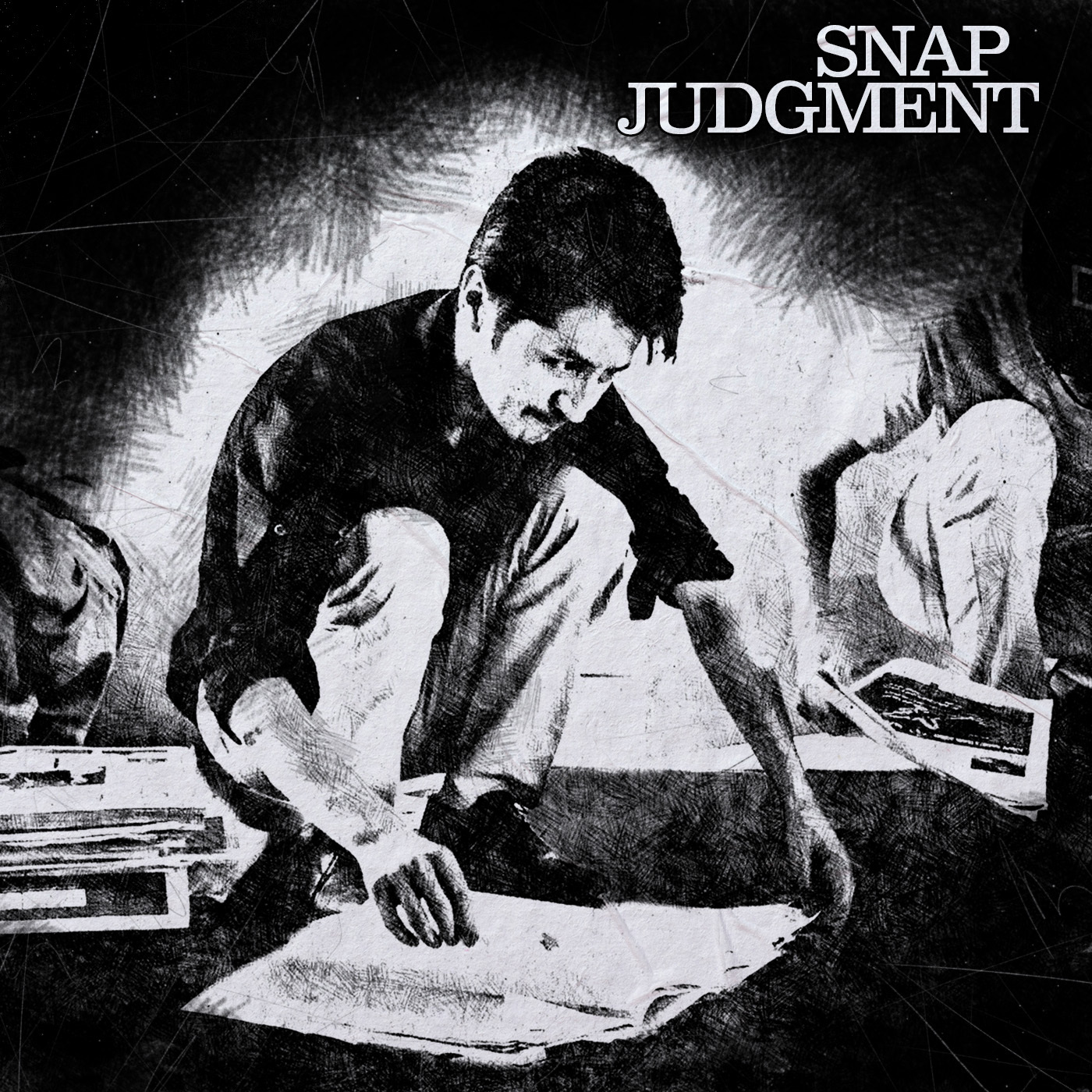
Overview of Last Paper Standing
This Snap Judgment episode, produced by Snap Judgment and PRX, follows the collapse of independent journalism in Kabul during the U.S. withdrawal from Afghanistan (2021) through two personal stories: Zaki Daryabi, editor-in-chief of the influential Afghan paper Etilaat-e-Roz, and reporter Fatima Faizi. The piece traces the moral and practical choices journalists faced as the Taliban advanced, the effort to smuggle and preserve physical newspaper archives, scenes of violence and detention, and the work of continuing to report from exile.
Narrative arc / key events
- Context: U.S. withdrawal from Afghanistan and rapid Taliban advance in August 2021.
- Aug 13–15, 2021: Zaki addresses staff at House No. 30 (Etilaat-e-Roz office), urges some to leave, asks those who flee to carry six months of the paper’s archive with them.
- Aug 15, 2021: Taliban enter Kabul; chaos and mass evacuations follow. Zaki initially stays to protect colleagues and the paper.
- Late Aug–Sept 2021: Office switches to online-only; some journalists detained and brutally beaten while covering women’s demonstrations (detentions reported Sept 8).
- International pressure and coverage follow; Taliban summon Zaki (calls traced to intelligence agency), creating a trap-like threat.
- Oct 3, 2021: Zaki leaves Afghanistan with his family after weeks of hiding and delay; he later re-establishes editorial work in the U.S. (Silver Spring, MD).
- Archive fate: Many staff carried physical bundles of newspapers out; some archives were lost in transit (hotel in Albania) but much was later recovered and now stored in the U.S.
- Parallel story: Fatima Faizi’s frantic packing and evacuation from Kabul—loss of meaningful personal items, chaos at the airport, eventual escape via military flight to Qatar, then Mexico City and Texas; she later becomes a Columbia Journalism School fellow.
Main characters
- Zaki Daryabi — editor-in-chief of Etilaat-e-Roz; stayed as long as possible to protect staff and archive, then evacuated in October 2021. Brought physical archives to the U.S. and continues editorial coordination from exile.
- Fatima Faizi — Afghan reporter who fled Kabul during the airport chaos, lost and later partially recovered personal heirlooms; now a journalism fellow in the U.S.
- Etilaat-e-Roz staff — a mix of journalists who fled and others who remained anonymously reporting inside Afghanistan; two reporters were detained and tortured.
- Taliban spokespeople / General Directorate of Intelligence — their promises of a different approach to press freedom contrasted with arrests, threats, and criminalization of independent reporting.
Themes & takeaways
- The value of physical archives: Tangible newspapers became a symbolic and historical lifeline — the smell, the design, and the documentation of a decade of reporting. Zaki prioritized saving them even over personal belongings.
- Journalists’ ethical and personal dilemma: Choosing between family safety and professional duty; many faced impossible decisions about whether to stay and report or flee and preserve lives.
- Violence and repression: Despite public Taliban statements about respecting rights and the press, detention, torture, and criminalization of independent outlets occurred.
- Resilience and continuity: From exile, journalists continue to report, coordinate with anonymous contributors inside Afghanistan, and preserve memory and accountability.
- Human cost: Beyond professional pressures, there are deep personal losses: trauma, ripped social fabric, and vanished heirlooms that carry identity and memory.
Notable quotes (as told in the episode)
- Zaki on the paper: “It’s kind of my first child as a dad… you have to grow up it, you have to save it, you have to help it, you have to fight for it.”
- On Kabul’s collapse: “There was nobody in the streets… I was feeling like nobody is living here.”
- On the sound that haunted him leaving Kabul: the voice of a girl pleading, “uncle, please take me with you,” which Zaki said “destroyed me.”
- Fatima on packing: “I was trying to put my entire life, my 20-something years, in a backpack.”
Content warnings
- The episode contains descriptions of violence, including beatings/torture and chaotic scenes at Kabul airport. Listener discretion is advised.
What’s next / resources
- Documentary: House Number 30 — a documentary about Etilaat-e-Roz’s days in Kabul (available on YouTube; the episode references a link at snapjudgment.org).
- For more reporting: See Etilaat-e-Roz coverage and reporting by Fatima Faizi (e.g., New York Times) and subsequent reporting on Afghan press under Taliban rule.
- Visit: snapjudgment.org for episode notes and additional links.
Production credits (from the episode)
- Produced by Snap Judgment; original score by Renzo Gorio; edited by Nancy Lopez; produced by Sheena Sheely; additional reporting by Shana Sheely. Thanks noted to Etilaat-e-Roz staff and contributors.
If you want a quick takeaway: the episode is a deeply human look at the tradeoffs journalists made during Kabul’s fall — risking life, protecting colleagues, and attempting to save a country’s written record by smuggling its newspapers out, then continuing the work from exile.