Overview of Feelabeelia: One-Hit Wonder? | Snap Classic
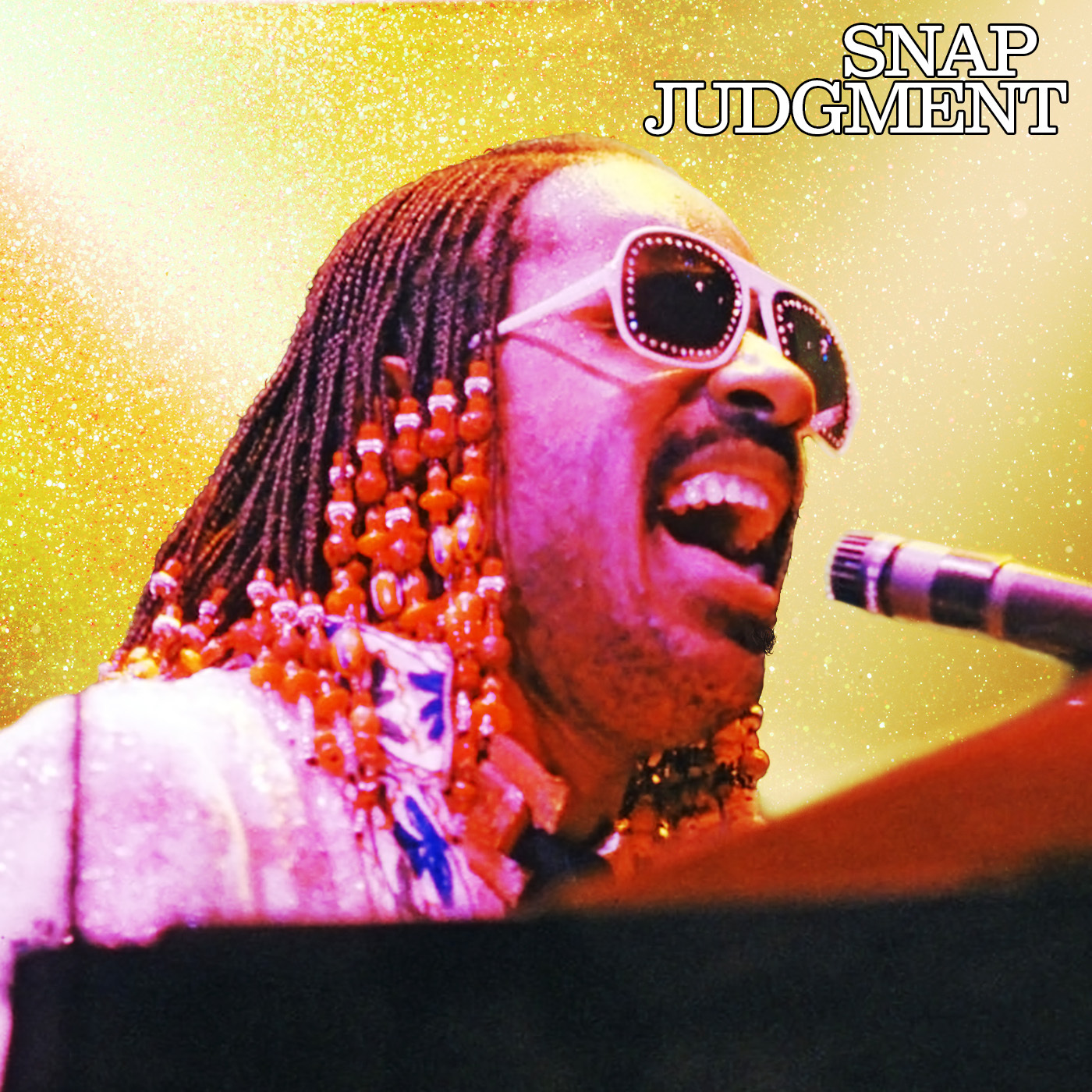
This episode of Snap Judgment tells two high-drama stories about performance, identity, and the cost of chasing greatness. The first follows an 80s funk band whose big break becomes even bigger when Stevie Wonder unexpectedly joins them in the studio — only for industry politics and a badly handled video to derail their rise. The second follows Cassandro, a groundbreaking Mexican exótico wrestler, as he fights prejudice, self-doubt, and personal crisis to become a champion and cultural icon.
Feelabeelia, Stevie Wonder, and the Rise-and-Fall of a Potential Hit
The setup
- In 1984, Nick Murphy and his funk band are recording a song called “Feel It” in the English countryside.
- They’re newly signed to Warner Bros. with help from Quincy Jones, and suddenly find themselves among music royalty.
The surprise call
- Stevie Wonder’s manager calls to say Stevie is in the UK and wants to use the same studio equipment he uses at home.
- The band agrees, expecting maybe a quick hello — instead, Stevie arrives with his full touring entourage in the middle of the night.
Stevie joins the track
- After listening to “Feel It,” Stevie compliments the band and suggests the song needs a middle eight.
- Nick cheekily asks Stevie to add something himself.
- Stevie agrees, brings in Wonderlove, adds harmonies, and lays down a harmonica solo.
- The band is stunned: Stevie’s contributions fit so seamlessly it sounds like they were always part of the song.
The catch: industry politics
- The track’s success is complicated by label rivalry:
- Management does not want to publicly credit Stevie Wonder because of tensions with Motown.
- The band is forced to talk around the collaboration in interviews.
- They later make a music video that portrays Stevie and Wonderlove as cartoon characters, which MTV considers racist and refuses to keep airing.
The outcome
- Despite the amazing collaboration, “Feel It” and the album tank commercially in the U.S. and U.K.
- Nick describes the emotional whiplash: one moment he’s living a dream, the next he’s watching the opportunity slip away.
- Years later, he gets validation when Stevie’s anthology includes the track and acknowledges the session.
Main takeaway
- A great song can be undermined by branding mistakes, racial insensitivity, and record-label politics.
- The story is both a music-industry cautionary tale and a reminder that sometimes legendary moments happen almost by accident.
Cassandro: Becoming a Champion as an Exótico
The world of lucha libre
- The story shifts to Mexican lucha libre, where wrestlers are larger-than-life performers with masks, personas, and theatrical entrances.
- Cassandro explains that exóticos are flamboyant wrestlers who challenge traditional gender norms in the ring.
Finding his identity
- Cassandro never felt comfortable in the standard wrestling look.
- When he’s recruited as an exótico, he worries he’ll be treated like a clown instead of an athlete.
- He and fellow wrestler Pimpinela decide to embrace the look fully:
- glitter
- feathers
- makeup
- bold stage presence
Fighting prejudice
- Cassandro is judged more harshly than other wrestlers because of his identity.
- He has to prove himself twice over: as both a wrestler and a queer performer.
- He earns respect through discipline, skill, and fearlessness.
The Santo match
- He is chosen for a championship match against El Hijo del Santo, one of Mexico’s greatest luchadores — who had previously said he would never wrestle an exótico.
- The pressure is intense:
- much of the press is hostile
- people question whether he belongs in the match
- Cassandro begins doubting himself
Personal crisis
- In a painful moment before the match, he attempts suicide and is rescued by Pimpinela.
- He recovers, hides the injury, and decides to keep going.
The breakthrough
- On match night, Cassandro enters with style, confidence, and theatrical flair.
- The crowd gradually realizes he can really wrestle.
- Even though he loses the final fall, he wins respect through performance and heart.
- After the match, the press that had doubted him reverses course.
Legacy
- Cassandro goes on to become:
- a champion
- the first exótico lightweight world champion
- a beloved cultural figure in Mexican wrestling
- In 2009, the Louvre invites him to reenact the famous Santo match for Paris Fashion Week.
- Later, he learns Santo agreed to the match because he saw Cassandro’s talent firsthand.
Main takeaway
- Cassandro’s story is about identity, resilience, and turning stigma into power.
- He doesn’t just survive the system — he reshapes what success can look like in lucha libre.
Themes Across the Episode
Talent is not always enough
- In both stories, raw ability is only part of the equation.
- Publicity, politics, and image management can make or break a career.
Reinvention matters
- The band and Cassandro both try to create something memorable and original.
- Their bold choices help define them, even when the results are messy.
Recognition can come late
- Both stories center on people who deserved more credit than they got at the time.
- The episode emphasizes how easy it is for history to forget the human effort behind iconic moments.
Notable Lines and Ideas
- “Every good chef saves a couple secrets back.”
- A metaphor for the hidden ingredient that makes something ordinary unforgettable.
- Stevie’s studio contribution is presented as a kind of musical magic.
- Cassandro’s biggest victory is not just winning matches, but winning the right to be seen seriously.
Bottom Line
This Snap Classic is really about the elusive thing that turns a moment into legend: a little magic, the right collaboration, and the courage to stand out. One story asks why a potentially huge song never became the hit it should have; the other shows how an outsider fought to become a legend on his own terms.