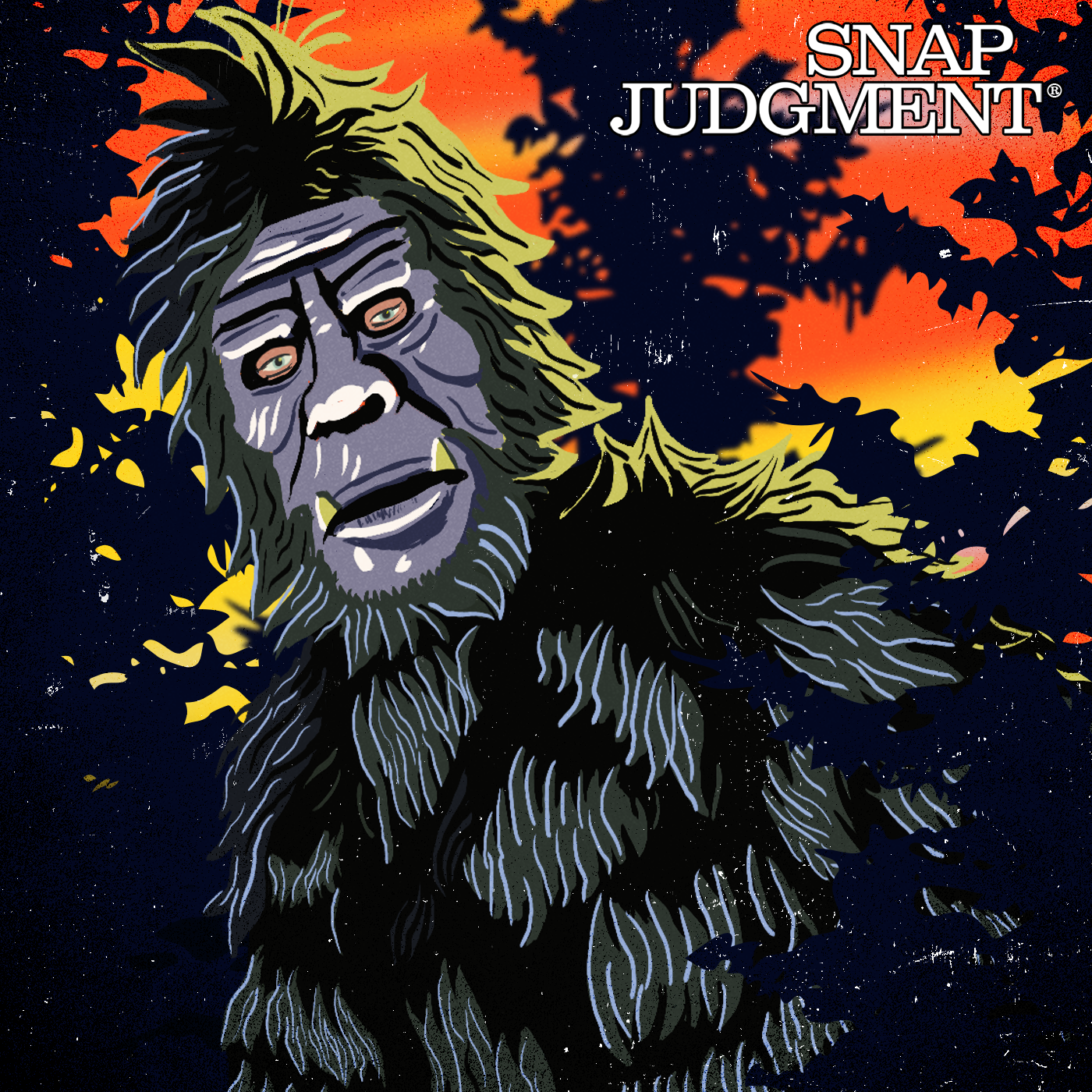
Overview of Bigfoot in Littleton
This episode of Snap Judgment follows journalist-turned-cryptozoology enthusiast Stephen Barcelo as he becomes the unlikely center of a Bigfoot frenzy in Littleton, North Carolina. What begins as a series of local sightings turns into a story about belief, outsider status, small-town identity, and how a strange legend can reshape a community—economically and socially. The episode closes with a humorous bonus Bigfoot hoax story from Pumpkin Town, South Carolina, which plays like a cautionary tale about how easily myth can be manufactured.
Main Story: Bigfoot Comes to Littleton
How the mystery began
- In 2016, a neighbor named Tiffany Merrill reported seeing a tall, shaggy, upright creature behind her house.
- Stephen, who had previously done reporting on Bigfoot-related stories in other towns, was called in to interview her and document the sighting.
- Soon after, more residents began reporting similar encounters: black fur, long arms, glowing eyes, huge footprints, and a creature moving quickly through the woods.
Stephen Barcelo’s role
- Stephen had moved to Littleton from New York and already stood out as a Northerner in a close-knit Southern town.
- He was initially seen as an outsider, especially after people learned he had worked on weird-news and cryptid stories.
- Over time, he became the town’s informal “Bigfoot guy,” listening to residents, recording testimonies, and eventually creating a small cryptozoology museum in his home.
Littleton’s reaction
- Some locals embraced the legend, while others were skeptical or openly annoyed.
- Critics argued Stephen was exploiting the town and profiting off gimmicks like shirts, mugs, footprints casts, and a museum.
- Supporters countered that he was bringing attention and tourism to a town that had lost businesses and energy over the years.
- The story shows how one legend can divide a small town between:
- believers and skeptics
- locals and outsiders
- those who see opportunity and those who see a sham
The park and the evidence
- Stephen visited Medoc Mountain State Park looking for signs of Bigfoot.
- He used tree knocks, thermal imaging, and trail searches, but found no definitive proof.
- Alan Williford, a park superintendent, said the park had no scientific evidence of Bigfoot.
- Even so, Stephen insisted the sightings were real to the people reporting them, and that was what mattered.
Political twist
- Stephen eventually ran for local office and won by a narrow margin.
- He later became mayor pro tem and then mayor of Littleton.
- His rise suggests that the Bigfoot story became part of the town’s identity, not just a rumor on the fringe.
- Whether or not Bigfoot existed, Stephen became a trusted listener and a symbol of local reinvention.
Key Themes and Takeaways
Belief as a social force
- The episode is less about proving Bigfoot exists and more about how belief spreads and shapes community behavior.
- Once people feel seen and taken seriously, their stories gain power.
Outsider becomes insider
- Stephen starts as an outsider from New York, but through his willingness to listen and participate, he becomes part of the town.
- His transformation mirrors Littleton’s: a place written off by many begins to reinvent itself around an unexpected story.
Tourism and economic revival
- Bigfoot becomes a draw for visitors.
- The museum and surrounding lore create a new kind of local commerce and attention.
- The town’s relationship to the story is complicated: part embarrassment, part opportunity.
Skepticism remains
- The episode keeps a balanced tone.
- No hard proof of Bigfoot is offered, and several townspeople and park officials remain doubtful.
- The real “evidence” is the cultural impact: people believe, talk, visit, argue, and build identity around it.
Notable People
- Stephen Barcelo — former journalist, Bigfoot investigator, museum owner, and later Littleton public official
- Tiffany Merrill — early witness whose sighting helped ignite the story
- Sylvia Alston — local historical preservation advocate and outspoken skeptic
- Alan Williford — Medoc Mountain State Park superintendent
- Alyssa Castles — reporter/narrator of the story
Bonus Segment: The Pumpkin Town Bigfoot Hoax
What happened
- In a separate comedic story, a guide and his friend Brett fake a Bigfoot presence in Pumpkin Town, South Carolina.
- They:
- carved fake footprints
- spread animal droppings
- built a crude Bigfoot suit
- staged sightings near campsites and trails
The outcome
- The prank accidentally convinces a kid and his father that Sasquatch is real.
- The father spends money on gear and becomes deeply invested in the myth.
- The hoax later fuels more Bigfoot-themed commerce, including a joke hot sauce called “Quatch Sauce.”
- The scheme almost ends badly when a local nearly shoots the prankster in the Bigfoot suit.
- The dog Motley Crue Jon Bon Jovi ultimately tackles him and exposes the costume.
Why it matters
- The segment underscores the same idea as the Littleton story: people want wonder, and once a myth takes hold, it can become economically and emotionally real.
Bottom Line
Bigfoot in Littleton is a story about more than cryptids. It’s about:
- how legends grow in small towns
- how outsiders can become insiders
- how belief can revive a place
- and how a mystery, real or not, can give people something to gather around
The episode leaves the question of Bigfoot unresolved, but makes one thing clear: in Littleton, the story itself changed everything.