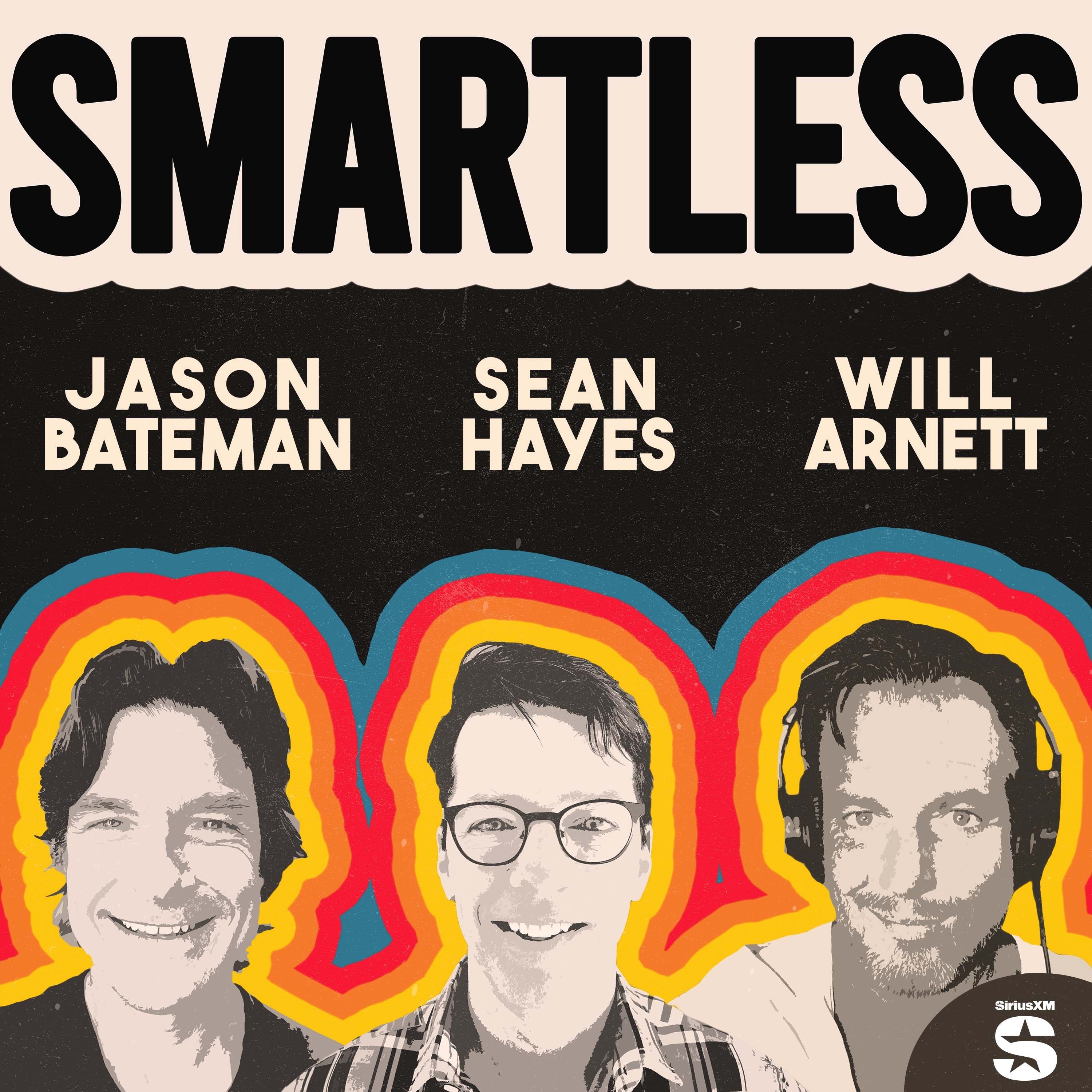
Overview of SmartLess with Tim Robbins
In this episode of SmartLess, Jason Bateman, Sean Hayes, and Will Arnett chat with Tim Robbins about his early life in New York, his family’s musical background, his career as an actor-director, and the creative projects he’s building now. The conversation moves from sports and poker stories to serious topics like politics, prison rehabilitation, and the kind of working environments that bring out the best in artists. Robbins comes across as reflective, funny, and very focused on using his platform for something constructive.
Key Topics Discussed
Tim Robbins’ career and breakout roles
- The hosts celebrate Robbins’ iconic filmography, including:
- Bull Durham
- Jacob’s Ladder
- The Player
- Mystic River
- The Shawshank Redemption
- Robbins talks about how Bull Durham came together, including the audition process and how he had to prove he could actually throw a baseball.
- He also reflects on how The Shawshank Redemption remains one of the roles people most often mention to him.
Music, family, and creative side projects
- Robbins says his creative instincts were shaped by watching his father perform with the folk group The Highwaymen.
- He shares that he still writes and performs music with The Rogues Gallery Band.
- He’s building timrobbins.com as a kind of multimedia archive or “portal,” featuring:
- concert recordings
- old video material from film sets
- unreleased interviews with figures like Johnny Cash, Kurt Vonnegut, and Harry Belafonte
- He’s also working on a memoir.
Political and social themes
- Robbins discusses Bob Roberts, noting how the film’s commentary on celebrity-driven politics and media manipulation feels especially prescient now.
- He says he has “retired from the anxiety of opposing something,” arguing that living in constant political outrage is unhealthy and unproductive.
- One of his biggest themes is moving from outrage to action: instead of just reacting, he looks for ways to contribute meaningfully.
Prison reform and the Actors Gang
- Robbins explains his prison-based arts work through The Actors Gang, including a long-running program in California prisons.
- The program uses theater and commedia dell’arte to help incarcerated people access and express emotions they often suppress for survival.
- He argues that the work builds empathy across group lines and shows how shared human experience can reduce division.
- He says the project convinced him that the same kind of connection could help people outside prison too.
Silo and the value of healthy production culture
- Robbins talks about working on Silo, praising the show’s writing, cast, and crew.
- He highlights how humane production schedules—like shorter days and respecting people’s personal lives—lead to better morale and better work.
- He contrasts that with the industry’s normal tendency to overwork people.
Directing and the actor-director balance
- Robbins and the hosts talk about the challenge of directing actors while still leaving room for discovery.
- His view: the actor is often the source of truth in a scene, and the director’s job is to shape that truth into the larger vision.
- He appreciates directors who come in with a plan but remain open to being surprised by the performance.
Notable Quotes / Insights
- Robbins on activism and purpose: “I’ve retired from the anxiety of opposing something.”
- On political engagement: “What are you doing about it?”
- On directing actors: “The actor will give you the truth.”
- On the prison program: emotional expression can create real connection, even among people who would normally be divided.
Fun / Lighter Moments
- The episode opens with lots of joking about heat, Italy, and the hosts’ usual chaos.
- Sean shares a Dungeons & Dragons story; Tim compares it to his old hobby, Stratomatic Baseball.
- There’s a long back-and-forth about hockey, goalies, and old poker nights.
- The hosts reminisce about poker games at Kyle Gass’s house and how small the entertainment world can feel.
Main Takeaways
- Tim Robbins is still deeply engaged in both art and activism.
- He sees creative work as something that should be meaningful, collaborative, and humane.
- His prison arts work is a major ongoing commitment, not just a side interest.
- He remains excited by new projects, including Silo, his music archive, and his memoir.