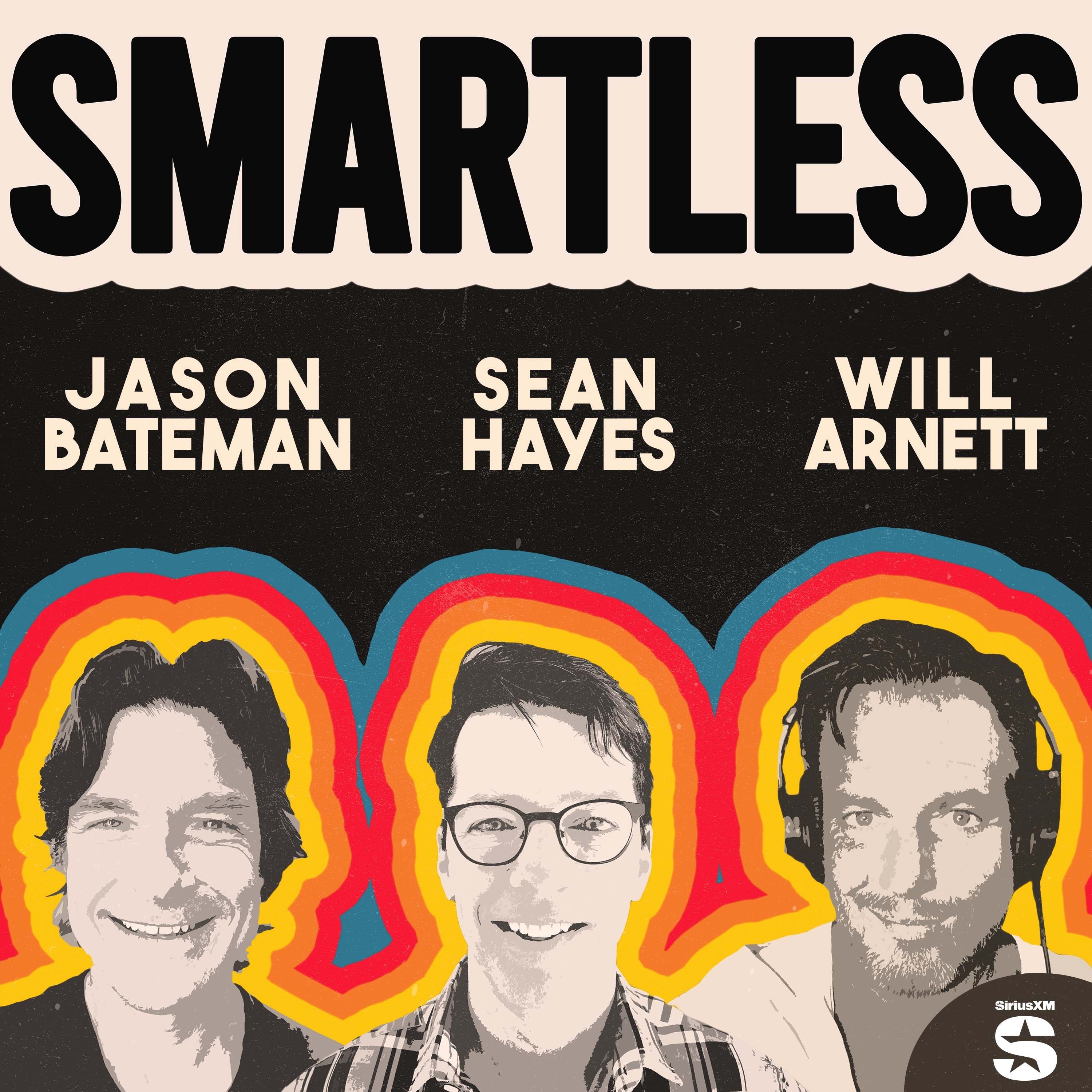
Overview of SmartLess — Episode: Tom Freston
This SmartLess episode (hosts Jason Bateman, Sean Hayes, Will Arnett) features Tom Freston — media executive, co‑founder of MTV, former CEO at Viacom, and long‑time cultural adventurer. Conversation covers Freston’s early wanderlust and business in India/Afghanistan, the birth and cultural impact of MTV, building networks (Nickelodeon, VH1, Comedy Central), missed digital opportunities (MySpace, YouTube), his Afghanistan TV work and philanthropy, and reflections on media’s future (including AI). The episode mixes big-picture media history with colorful travel and business anecdotes and promotes Tom’s memoir Unplugged (released Nov 18).
Guest background
- Tom Freston: advertising/marketing background (MBA), left mainstream work in early 1970s to travel through Morocco, India and Afghanistan.
- Started a clothing business in India/Afghanistan (1972–79); lost businesses to geopolitical shifts and trade embargoes (smuggled stock through Canada at one point).
- Returned to U.S.; joined Warner Amex Satellite Entertainment and helped launch MTV with Bob Pittman, John Sykes, Fred Seibert, etc.
- Rose through Viacom to CEO; later involved with Nickelodeon, VH1, Comedy Central, Vice; long‑term philanthropic work with Bono’s ONE Campaign.
- Later founded/ran TV initiatives in Afghanistan (cultural programming, later educational programming for women) and engaged in international media projects.
Key topics discussed
- The hippie trail and the formative power of travel: why getting off the mainstream path changed his worldview, career choices, and appetite for risk.
- Founding MTV:
- Early team and the scramble to launch (Aug 1 target), low‑budget creativity (NASA footage, cheap logo).
- First song aired: “Video Killed the Radio Star.”
- Cultural tipping points: Michael Jackson’s Thriller, Live Aid, and the “I Want My MTV” grassroots campaign.
- MTV as a new visual language and a launching pad for directors (David Fincher, Spike Jonze, etc.).
- Building other networks:
- Nickelodeon, VH1 and the opportunistic genesis of Comedy Central (announcing a comedy channel to compete with HBO and later merging).
- Comedy Central’s role launching political and comedic voices (Jon Stewart, Stephen Colbert, John Oliver, Samantha Bee, Bill Maher, Dave Chappelle, Steve Carell, etc.).
- Corporate dynamics and Sumner Redstone: power, culture, and the reality of being fired (Redstone’s pattern of dismissing CEOs).
- Missed/failed acquisitions:
- MySpace (News Corp bought it; board tensions).
- YouTube — Freston recognized the potential; Viacom worried about copyright exposure; Google bought it (then $1.65B).
- Digital/social disruption:
- How the web and platforms like YouTube changed MTV’s linear model.
- The ongoing inflection around AI and new media — both promise and peril.
- Afghanistan project and social impact:
- Founded a network to reconnect Afghan audiences, bringing back music and women presenters; later pivoted to education programming for girls/women using philanthropic funding.
- Philanthropy and phase of life:
- Long involvement with ONE Campaign and global health/poverty initiatives; content now often balances private sector ties with nonprofit funding.
Notable stories & anecdotes
- Smuggling clothes across the Canada–U.S. border after a U.S. embargo on Indian imports.
- Meeting and traveling with Jimmy Buffett — stories about plane adventures and festivals (Timbuktu).
- The legendary MTV launch: ripping public‑domain NASA footage for the rocket logo; first video and the grassroots cable‑demand strategy.
- Taking Sumner Redstone to Bangkok sex clubs (book anecdote) — emblematic of the weird, unfiltered moments behind corporate life.
- Being nearly led to an Al‑Qaeda camp while heading to a music festival in Mali/Timbuktu — rescued by locals with a Bob Marley ringtone on a cell phone.
Main takeaways
- Travel and immersion are powerful educators: Freston stresses that getting out of your comfort zone early changed his life and career perspective.
- Opportunism + creativity beats big budgets: MTV’s early success was driven by hunger, guerrilla creativity, and smart PR rather than massive capital.
- Media gatekeepers are replaceable: digital platforms removed old gatekeepers; companies that understood that early saw new opportunities — and those that didn’t missed out.
- Talent incubation matters: networks that invest in new voices (e.g., Comedy Central) can reshape culture and political discourse.
- Philanthropy and media can intersect: broadcasting and programming can be leveraged for social good (education, women’s empowerment) even in fragile contexts.
- The future is another inflection point: AI, new distribution, and platform shifts may create opportunities similar in scale to the internet’s arrival — but they require thoughtful stewardship.
Notable quotes / lines (paraphrased)
- “The best educator out there is traveling around.”
- On MTV’s promotion: get people to call cable companies and demand you — that consumer pressure drove distribution.
- On digital: gatekeepers are gone; the social/digital revolution lets people communicate directly and redefines media.
Recommended next steps & resources
- Read: Tom Freston — Unplugged: Adventures from MTV to Timbuktu (released Nov 18) — memoir covering many stories referenced in the episode.
- For listeners: consider travel as a formative experience; support media projects with an educational or social purpose.
- Follow Tom’s philanthropic work and the ONE Campaign if interested in global health and poverty efforts.
- Reflect on media careers: look for roles/platforms at current inflection points (digital, AI) and prioritize curiosity and risk‑taking.
Episode tone & hosts’ reactions
- Conversational, nostalgic, wide‑ranging, mixing career history with wild travel tales.
- Hosts express admiration, envy, inspiration — many reflective moments about taking risks, changing course, and living adventurously.
If you want a single takeaway: Tom Freston’s life is a case study in how curiosity, travel, and willingness to defy conventional career paths can create the experience and vision needed to start cultural revolutions (like MTV) — and later use those skills to do philanthropic, socially meaningful work.