Overview of Noah Hawley (SmartLess / SmartList episode)
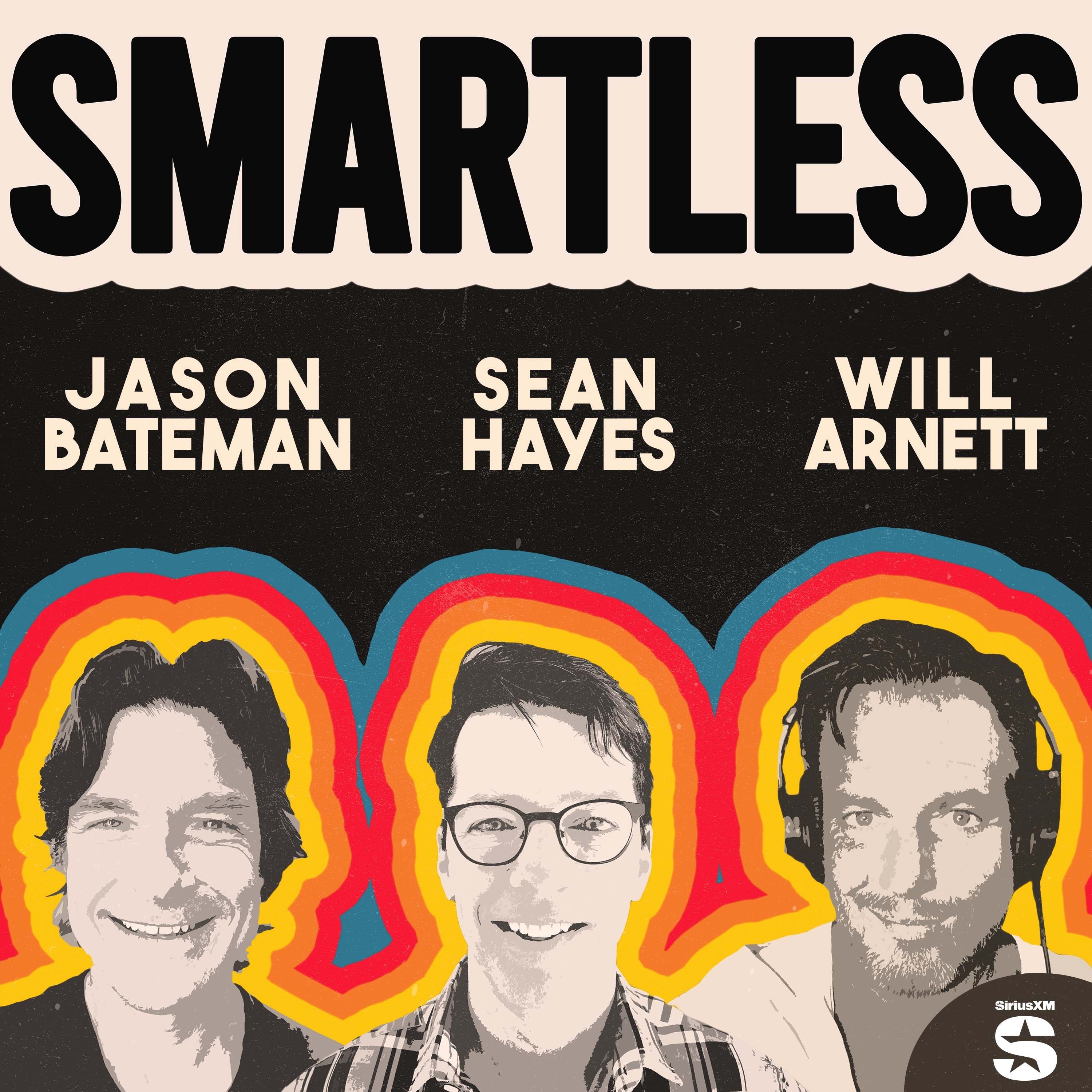
This episode features writer‑producer‑director Noah Hawley (Fargo, Legion, Alien Earth) interviewed by Jason Bateman, Sean Hayes and Will Arnett. The conversation covers Hawley’s career path (from paralegal to novelist to showrunner/director), his approach to adapting iconic films into long‑form TV, creative process (writing, rooms, directing, design), practical production techniques, family/work balance, and several specific projects (Fargo, Alien Earth, Lucy in the Sky, a shelved Star Trek project). The tone is conversational with behind‑the‑scenes anecdotes and actionable insights for writers, directors and showrunners.
Key topics discussed
-
Career origin and influences
- Early work as a paralegal for Legal Aid in NYC; songwriting and novels before screenwriting.
- Family influence: third‑generation writer; early exposure to British absurdist comedy (Goon Show, Monty Python, Hitchhiker’s Guide).
-
Transition to TV and adaptation work
- Writing/producing on Bones; selling pilots to broadcast TV; learning production on staff.
- Turning Fargo into an anthology: keeping the “Fargo state of mind” rather than reusing original characters.
- Adapting the Alien franchise into Alien Earth: maintaining the franchise’s emotional beats while creating new discovery for TV.
-
Creative process and writer’s room
- Uses the writers’ room to think out loud and frame thematic work for the team, not to have the room dictate story.
- Keeps new ideas in “soft focus” so they can marinate before making hard choices.
- Decides medium (book / film / series) partly by how long he wants to live with the idea.
-
Directing and production
- Grew into directing via editing and second‑unit work; prefers directing pilot/first episodes for tone control and efficiency.
- Practical techniques: hair & makeup tests and sizzle reels to communicate tone and sell projects internally and to crews/actors.
- Collaboration with visual and effects teams (e.g., Weta on creature design); long lead time from concept to screen (4–5 years).
-
Genre, tone, and worldbuilding
- Elevates genre by treating emotional and thematic elements seriously.
- On Alien Earth: wanted to capture the original film’s feelings (discovery, nature vs technology) while building characters who must persist across many hours of TV.
- Example of cinematic risk: experimental camera moves (zoom/lock‑off combo) to create an unsettling feeling.
-
Business and logistics
- Produces multiple projects across locations (Thailand, Canada, U.S.); balancing travel with family (two kids, ages 13 and 18).
- On studio/franchise dealings: sold and prepared a Star Trek script but the studio changed leadership and canned the project.
- Strategy of creating leverage: developing several projects to negotiate which gets made.
Notable insights & quotes
- “You don’t want to look at an idea directly. You want to side‑eye it. It’s fragile.” — on early idea development.
- “A TV show has to be the opposite [of a two‑hour survival movie] — you have to invest in 10 or 30 or 50 hours about characters who don’t die.” — on adapting films to series.
- “The writers’ room is a really good way to help me think out loud. I don’t tend to let the room tell the story.” — on running a room.
- “The structure of a story should reflect the content of a story.” — on choosing medium and cinematic language.
- Practical directing note: “Something feels wrong here” is often a feeling you can create cinematically without knowing the precise technical reason at first.
Practical takeaways for creators and showrunners
- Keep new ideas in soft focus: allow them to marinate before committing to structure or format.
- Use the writers’ room as a thinking tool rather than a decision factory; have focused thematic assignments for the team.
- When adapting an iconic film, identify the core feelings or moments you want to recreate rather than trying to replicate plot beats.
- Make tangible pitch/sales materials: hair & makeup tests, sizzle reels and music help convey tone faster than words alone and energize actors/crew.
- Direct early episodes when possible to set tone and save time; being present on set is more efficient and clarifies intent.
- Choose format by how long you’re willing to live with the idea: some stories are better short (film), others benefit from long immersion (TV), and some make good novels.
- Collaborate early with design/VFX (e.g., creature and practical effects partners) to align story demands with production realities.
- Create leverage by developing multiple projects and asking studios to play your strategic game.
Works to watch / read (recommended in conversation)
- TV: Fargo (creator/showrunner), Legion (creator), Alien Earth (Hawley’s recent series)
- Film: Lucy in the Sky (Hawley wrote/directed)
- Books: A Conspiracy of Tall Men (Hawley’s first published novel) — he has written multiple novels.
- Bonus recs from hosts: Martin Freeman in The Responder (recommended by Jason)
Episode highlights / memorable anecdotes
- Hawley cast his own son in Alien Earth in a short improvised scene; he sat on the floor and played the father to help the child loosen up.
- The alien creature design for Alien Earth started from asking “what feeling does the original create?” leading to novel creature concepts (e.g., an eye‑like organism that inserts into hosts).
- Hawley’s first professional writing epiphany came from a high‑school assignment: writing a chapter in the voice of Catch‑22, which helped him find voice and comedic/satirical instincts.
- He described being strategic about directing: if you must be at a show’s start anyway, directing the episode can be more efficient than explaining your vision to another director.
Who this episode is for
- Aspiring TV writers, creators, and directors who want real‑world advice about adapting material, running rooms, and making production decisions.
- Fans of Fargo, Legion, and franchise TV who want background on Hawley’s creative choices.
- Anyone interested in the intersection of genre storytelling and character work.
If you want a focused list of Hawley episodes, novels or production techniques mentioned in the interview, let me know which area to expand.