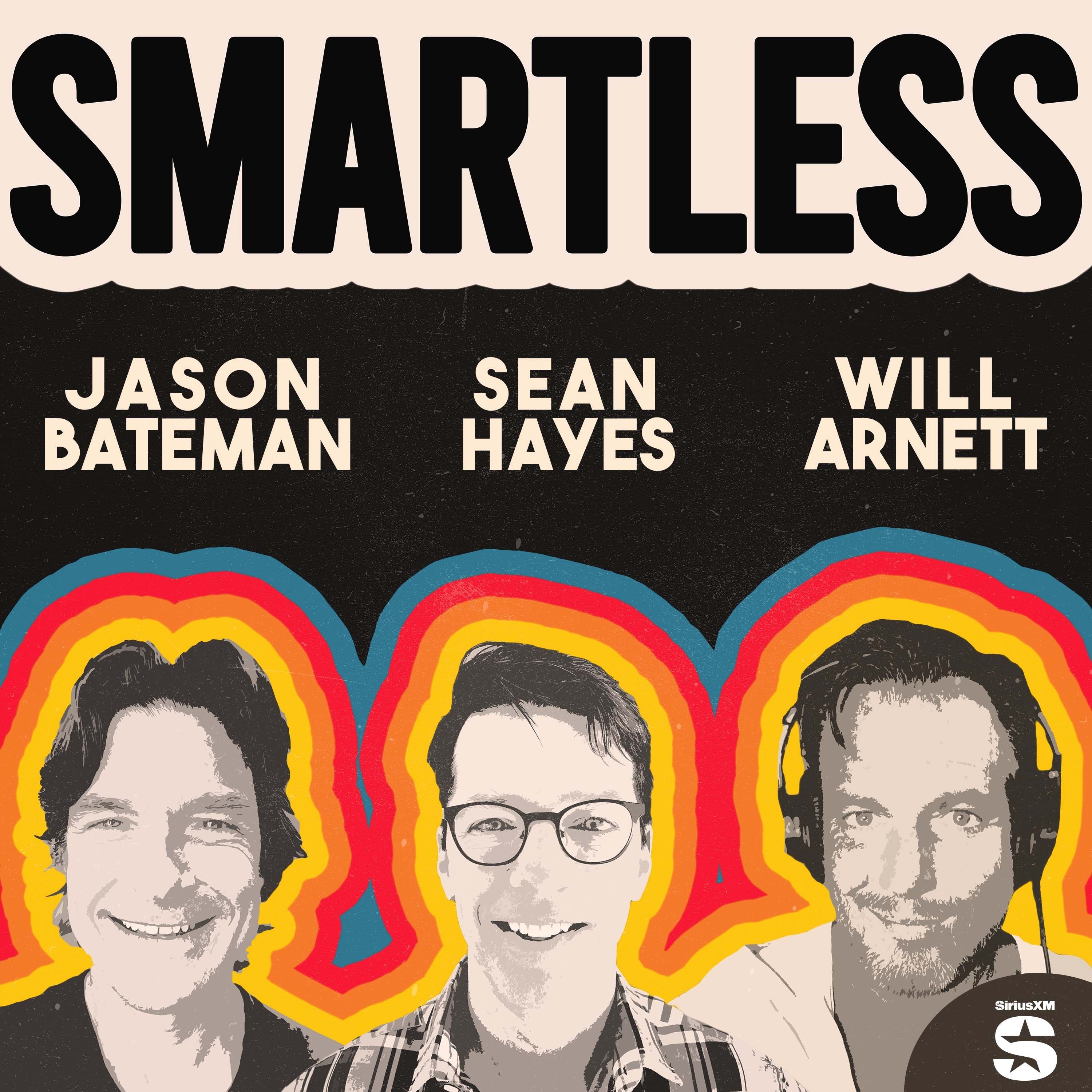
Overview of SmartLess — Episode: "Margot Robbie"
This SmartLess episode features hosts Jason Bateman, Sean Hayes, and Will Arnett interviewing Margot Robbie. The conversation mixes casual host banter with an in-depth look at Margot’s journey from the Gold Coast in Australia to Hollywood stardom, her breakout moments (including the Wolf of Wall Street audition), her producing work with LuckyChap, the making of Barbie, and her latest projects like Wuthering Heights. The episode is warm, anecdote-rich, and covers both career decisions and personal life touches (hobbies, marriage, and more).
Key topics discussed
-
Early life and acting start
- Grew up on the Gold Coast, Australia; obsessed with movies as a kid.
- Early gigs: student films, unpaid commercials, guest TV roles; landed Neighbours at 16 and stayed three years.
- Moved to the U.S. at age 20 to pursue bigger opportunities.
-
Transition to the U.S.
- First U.S. job: the TV series Pan Am (shot in Brooklyn).
- Lived in New York (roommate: Christina Ricci).
-
Breakthrough acting moments
- The Wolf of Wall Street:
- Sent a self-tape, then went straight to a room read with Martin Scorsese and Leonardo DiCaprio.
- Improvised — famously slapped DiCaprio in the audition; Scorsese and Leo loved it and gave her the role.
- Surprised by how much of her performance made the final cut and the personal awkwardness of family screenings.
- Other notable acting credits discussed: Focus, I, Tonya, Once Upon a Time in Hollywood (Tarantino set), Promising Young Woman, Saltburn.
- The Wolf of Wall Street:
-
Producing and LuckyChap
- Co-founded LuckyChap Productions in 2013 with partners she met on set (including her future husband, Tom Ackerley).
- I, Tonya was the first produced project that came out; producing has been a major piece of her creative life since.
- Approach to producing Barbie: LuckyChap pursued the property, convinced Mattel and Warner to trust them, and recruited Greta Gerwig (and Noah Baumbach) to shape the film’s unique, culturally resonant take.
-
Barbie
- Producers approached Mattel/Warner and emphasized protecting the brand while delivering meaningful cultural commentary.
- Margot and LuckyChap courted Greta Gerwig; the studio gave the writers creative space. Margot praises Mattel and Warner for the risk and trust.
- The film’s success and conversation surrounding it were noted.
-
Wuthering Heights (new release at time of episode)
- Produced by LuckyChap and directed/written by Emerald Fennell; Jacob Elordi co-stars.
- Shot in London and on the Yorkshire moors. Charli XCX contributed music.
- Margot describes it as a deeply moving, romantic film (encourages listeners to see it).
-
On-set culture & secrecy
- Working with auteurs:
- Quentin Tarantino’s set was tightly controlled and secretive (the alternate ending was kept under lock and key).
- Scorsese’s improv-friendly environment for Wolf of Wall Street led to collaborative writing on set.
- Working with auteurs:
-
Personal life and hobbies
- Married to Tom Ackerley (producer); they work together and share interests like golf and cooking (Tom cooks steaks).
- Played field hockey in school; later played recreational ice hockey in the U.S. despite little skating background.
- Enjoys piano, art, theater, and sports.
- Mentions being “hangry” as a personal kryptonite.
Notable stories & memorable quotes
-
Wolf of Wall Street audition:
- Margot: “I just went whack and slapped him instead.” — The off-the-cuff slap at DiCaprio in the chemistry read helped secure the part.
- Ellen Lewis anecdote: told Margot to go find “a tight dress and the highest heels” before the reading — a small change that punctuated the audition.
-
Tarantino secrecy:
- Margot kept the film’s (Once Upon a Time in Hollywood) alternate ending secret — even from her mother. After Cannes, her mom admitted she’d dreaded seeing Margot die onscreen; Margot replied she’d been told not to reveal the ending.
-
Producing Barbie:
- Margot emphasized the pitch strategy: “Just trust us” — balancing brand protection for Mattel with filmmakers’ creative freedom (they pursued Greta Gerwig because they trusted her to have something meaningful to say).
Main takeaways
- Margot Robbie is both an actor and a producer who purposefully shaped her career: starting on soaps (Neighbours), moving to the U.S. early, and using her platform to develop projects she cares about via LuckyChap.
- Breakthrough moments can be serendipitous and bold — her Scorsese/DiCaprio audition is a prime example of taking risks that pay off.
- Producing big IP (like Barbie) required diplomacy: reassurances to rights-holders, securing studio deals, then giving creative teams space to write and direct.
- Collaboration and trust are central: Margot repeatedly emphasizes working with people she respects (Greta Gerwig, Emerald Fennell, Noah Baumbach, etc.) and building teams around a strong script and vision.
Projects mentioned (for quick reference)
- Acting: The Wolf of Wall Street, Focus, I, Tonya, Once Upon a Time in Hollywood, Promising Young Woman, Saltburn, Wuthering Heights.
- Producing (LuckyChap): I, Tonya; Promising Young Woman; Saltburn; Barbie; Wuthering Heights (producer role).
- Music collaborator highlighted: Charli XCX contributed music for Wuthering Heights.
Recommended next steps for listeners
- Watch or rewatch the films discussed to hear context from Margot’s perspective:
- Wolf of Wall Street, I, Tonya, Barbie, Once Upon a Time in Hollywood, Wuthering Heights.
- If you’re interested in film production, note Margot’s producer playbook:
- Build trust with rights-holders,
- Recruit directors/writers you trust,
- Give creatives room to develop the script (even through iterative, non-linear writing).
- For behind-the-scenes anecdotal interest: check interviews/discussions about Scorsese, Tarantino, and Greta Gerwig’s creative processes.
This episode mixes affectionate host banter with revealing career anecdotes and practical insight into acting and producing. Margot comes across as candid, driven, and collaborative — a performer who’s intentionally shaped her path both in front of and behind the camera.