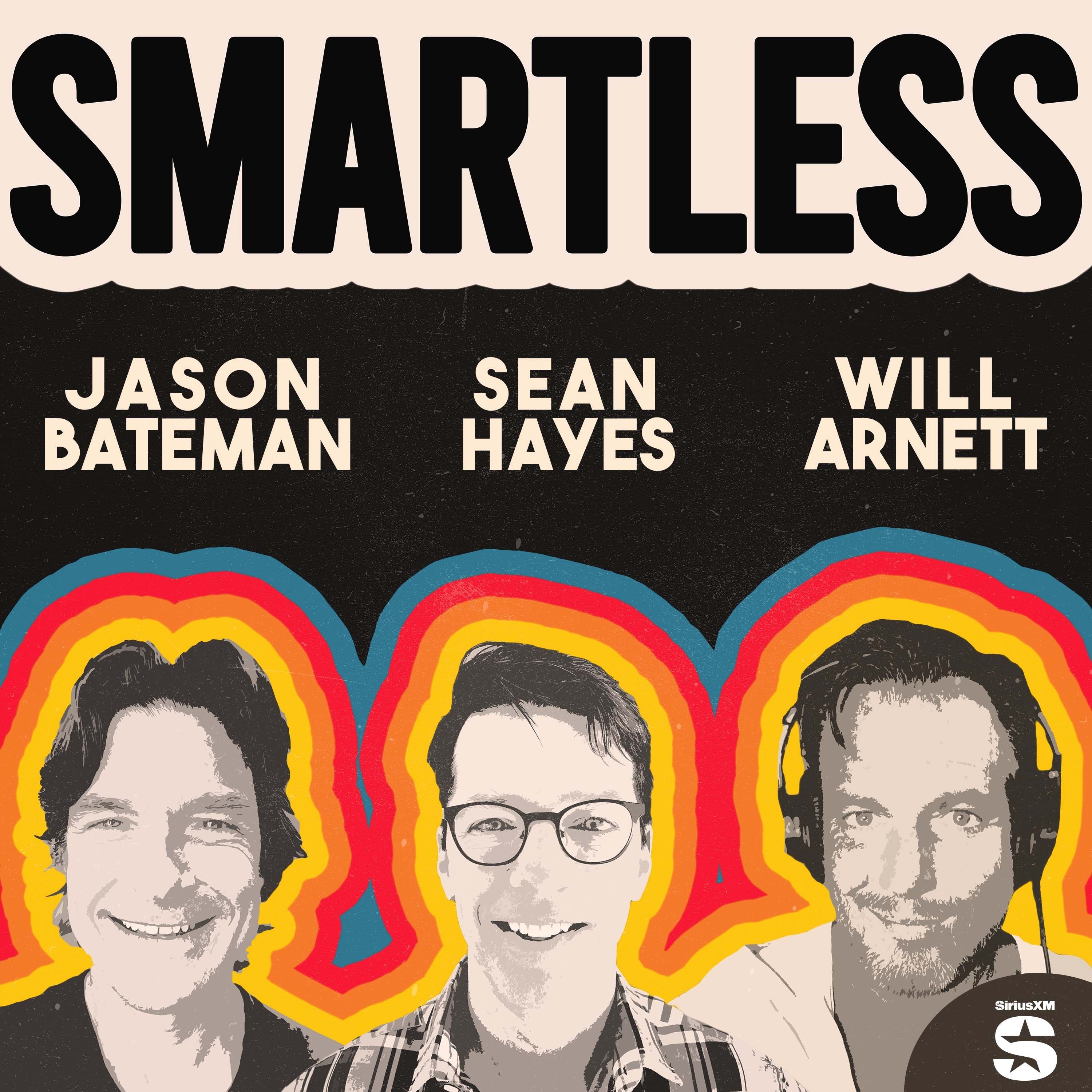
Overview of SmartLess — Episode: "Cillian Murphy"
This SmartLess episode features Cillian Murphy (best known as Tommy Shelby in Peaky Blinders) in a relaxed, wide-ranging conversation with hosts Jason Bateman, Sean Hayes, and Will Arnett. The talk moves between craft and career — theater vs. film, working methods, collaborations (notably with Christopher Nolan and Danny Boyle), Murphy’s early music ambitions and Irish roots, and the long arc of Peaky Blinders (series → film). The tone is conversational and often humorous, with backstage anecdotes and practical insights for actors and creatives.
Key topics discussed
-
Career arc
- Early ambitions in music, a brief law degree attempt, then pivot into theatre and film.
- Breakthroughs: 28 Days Later (Danny Boyle), Peaky Blinders (TV → film), longstanding collaborations with Christopher Nolan (six projects, including Oppenheimer).
- Long-term creative partnerships (e.g., playwright Enda Walsh).
-
Theatre vs. screen work
- One-man shows and the unique challenges (no scene partner to cue you, post-show adrenaline/wiredness).
- Rehearsal and preview differences: theatre demands different muscle memory and energy distribution compared with film/TV.
- How stage work can keep actors “sane” during film/TV fallow periods.
-
Acting preparation and process
- Different actors’ approaches: some memorize early and make choices in rehearsal; others stay off-book but postpone creative choices until they see blocking, camera, and co-actors.
- Avoid over-intellectualizing — Murphy warns against overthinking and advocates trusting instinct.
- Practical on-set habits: occasional playback for technical/stunt work; producing can change how you watch a finished piece (less vanity, more story-focused).
-
Director styles and set dynamics
- Danny Boyle: energetic, constant pushing, “energy over perfection.”
- Christopher Nolan: precise, rigorous, every frame storyboarded; shoots with tight focus and minimal monitors, which fosters speed and discipline (example: Oppenheimer shot on a tight schedule).
- Importance of adapting to a director’s process and “bending” to serve their vision.
-
Fan interactions and public life
- Murphy prefers one-on-one conversations with fans rather than public photo spectacles; backstage meet-and-greets are a courtesy but can be exhausting.
- The emotional reality of filmmaking: intense temporary families on set and the repeated goodbyes.
Notable anecdotes & stories
- Audition memory: Murphy learned he got 28 Days Later while in a queue at Stansted Airport — had to do a contained celebration.
- First theatre spark: saw a promenade production of A Clockwork Orange in Cork; that experience turned him toward theatre.
- Early music career: played in a band with his brother; a near-record-deal moment was stopped in part by family caution; music remained a lifelong passion and influenced his appreciation of on-screen scoring.
- Peaky Blinders music choice: the show’s bold use of anachronistic modern music (e.g., Nick Cave’s “Red Right Hand”) became a defining element, attracting established artists and original contributions.
- Onstage sleep trouble: performing, especially one-man shows, can leave him wired and unable to sleep for hours afterward.
Career highlights & collaborations
- Danny Boyle — 28 Days Later (early career boost; energy-driven set environment).
- Christopher Nolan — long-term collaborator across six projects (Nolan’s precision, small-video-village approach, and fast but focused shooting).
- Peaky Blinders — starred as Tommy Shelby across a multi-year run; discussed how the show grew organically from a modest BBC2 start to a global phenomenon and later a feature film (premiered in Birmingham; hosts cited release dates—select theaters March 6 and Netflix March 20).
- Theatre collaborations — long relationship with playwright Enda Walsh, which provided sustained theatre work through dry film/TV periods.
Insights on craft (practical takeaways)
- Preparation balance: be prepared and off-book where needed, but don’t lock yourself into pre-determined choices that prevent reacting to fellow actors or director input.
- Adaptability: each director and production is its own “circus” — flexibility to the director’s methods is essential.
- Trust instinct: overthinking can stifle performance; use intellect for craft, then allow instincts to play.
- Producing perspective: working as a producer helps depersonalize watching one’s work — you look at story and structure rather than just your own performance.
- Fan engagement: treat fans with gratitude, prefer meaningful one-on-one interactions over staged photo ops.
Personal background & lifestyle notes
- Irish roots: grew up in Ireland (mentions Dingle and County Kerry connections); lived in London for a long period, now back in Ireland.
- Diet: discussed past vegetarian/pescatarian choices (including temporary changes for roles); currently does not eat meat and eats fish (pescatarian).
- Family life and privacy: values private life and prefers low-key fan exchanges; stage demands and public promotion require a balancing act.
Recommended viewing / listening from the episode
- Peaky Blinders — long-running BBC series; film adaptation discussed in this episode (hosts referenced theatrical and Netflix release windows).
- 28 Days Later — early film that helped raise Murphy’s profile.
- Christopher Nolan collaborations — notably Oppenheimer; Murphy praises Nolan’s efficiency and creative rigor.
Memorable quotes & lines (paraphrased)
- On creative pitfalls: “Overthinking it and not sticking to your instinct” can harm an artist’s work.
- On the nature of the industry: the set is “always like a new circus” — every job brings a different setup and culture.
- On the actor’s life: the career creates intense temporary families on set; learning to say goodbye repeatedly is part of the job.
- Comic aside from the show: “The circus of the unemployable” — a friend’s description of the itinerant life of working actors.
Who will get the most from this episode
- Actors and performers interested in practical approaches to rehearsal, prep, and adapting to directors.
- Fans of Cillian Murphy who want behind-the-scenes stories about Peaky Blinders, 28 Days Later, and his work with Nolan and Boyle.
- Creatives curious about the interplay between theater training and screen acting, and how long-term collaborations shape a career.
Bottom line: a candid, wide-ranging conversation that blends craft talk (prep, directors, stage vs. screen) with career stories and warm personal anecdotes — a useful listen for actors, fans of Murphy, and anyone interested in how sustained creative partnerships and instincts shape a modern acting career.