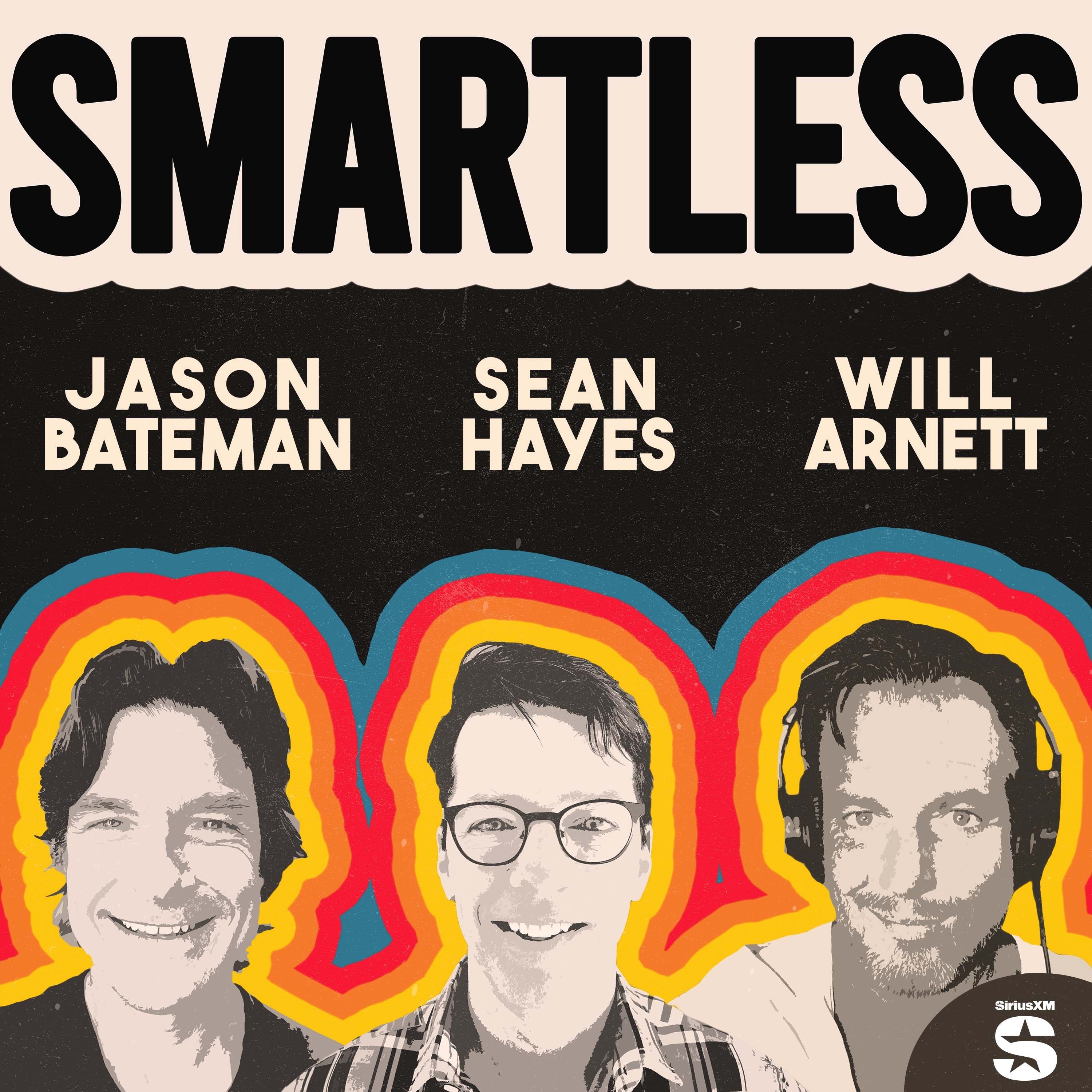
Overview of SmartLess — Episode: "Brian Cox"
This SmartLess episode (hosts Jason Bateman, Sean Hayes, Will Arnett) features actor Brian Cox in a wide-ranging conversation about his career, directing debut, upbringing in Dundee, Scotland, voiceover work, theatre, and his approach to collaboration. The tone is warm, humorous, and conversational — mixing industry stories (Manhunter, the Bourne films, Succession), practical directing/acting insights, and personal anecdotes about family, early life, and creative priorities. The episode also includes sponsor spots and listener-facing promo segments.
Key topics covered
-
Brian Cox’s directing debut: Glenn Rothen
- Written by David Ashton; Brian directed and plays the older brother (Sandy). Alan Cumming plays the younger, more talented brother. Brian cast his son as his on-screen father.
- Cox’s directing approach: egalitarian, collaborative, give departments freedom to do their best work.
-
Career highlights and notable roles
- Early breakout: Manhunter (original film Hannibal Lecter).
- The Bourne series (portrayed Ward Abbott) — anecdotes about working with Doug Liman and notable set decisions.
- Succession — how he was approached for Logan Roy, his instant belief the show would be a hit, ensemble praise.
-
Theatre background and formative influences
- Grew up in Dundee, Scotland; devoured cinema and theatre.
- Trained at LAMDA (London Academy of Music and Dramatic Art).
- Mentors and influences: Kristin Linklater (voice teacher), Lindsay Anderson (director), Bill Davis (Dundee Rep), and actors like Alan Bates and Nicol Williamson.
- Theatre anecdotes: one-man shows, funny onstage mishaps, the discipline and intimacy of live performance.
-
Personal history and social perspective
- Childhood hardship: father died when Brian was eight; mother had serious health struggles; raised with strong support from older sisters.
- Social views: outspoken on poverty and social welfare (distinguishes socialism from communism; “we’re only as strong as our weakest link”).
-
Voiceover and commercial work
- Longstanding voice career in the UK; later revived U.S. commercials (McDonald’s tagline, Uber Eats spots).
- Thoughts on voiceover craft: timing, “get on and get off,” and treating short copy as a performance challenge.
-
Acting/directing philosophy
- Directors can’t micromanage performance or music — these elements must “live.”
- Prefers giving actors latitude; trusts collaborators in design, costumes, cinematography to bring their best.
- On directing: more sympathy for directors after the experience, but still critical of ego-driven directing.
Notable quotes & insights
- On creative control: “You can’t control performance. You can’t control music. Those things have to live.”
- On directing philosophy: prefer collaboration and trust — “give me what you’re giving me… tell me what you want to achieve.”
- On social responsibility: “We’re only as strong as our weakest link” — arguing for social welfare and against conflating socialism with communism.
- Voiceover ethos: the Scottish phrase he cites — “get on and get off” — meaning deliver the line cleanly and move on.
- On his career attitude (paraphrased in the show): a version of “I’m too old / too tired / too talented to give a fuck” — an expression of prioritizing what matters.
Guest bio — highlights for context
- Brian Cox: award-winning Scottish actor with extensive film, TV, and theatre credits.
- Notable screen roles mentioned: Manhunter (Hannibal Lecter), the Bourne films (Ward Abbott), Logan Roy in Succession.
- Awards/recognition: multiple nominations and wins across BAFTAs, Emmys, SAGs, Golden Globes (hosts mention numerous nominations/wins).
- Recent & upcoming: directed feature film Glenn Rothen (release cited as April 17 in the episode).
Main takeaways
- Brian Cox values collaboration and creative freedom: his directorial debut prioritized enabling department leads and actors to do their best work.
- Experience deepens empathy: directing gave Cox more sympathy for directors while reinforcing that performance must be owned by actors.
- Craft over ego: Cox has little patience for controlling, ego-driven directing; he prefers practical, clear notes that let scenes breathe.
- Voice and timing matter: his decades of voice work underscore precision, brevity, and the craft of conveying tone in limited space.
- Personal history shaped his worldview: childhood loss and Dundee’s social challenges inform his advocacy for social safety nets.
Recommendations / action items for listeners
- Watch or seek out:
- Brian Cox’s new film Glenn Rothen (released April 17 per episode).
- Core performances: Manhunter, Brian’s Bourne films, and Succession (to see his Logan Roy role).
- If you’re an actor or director:
- Consider Cox’s directing advice — build trust with your team, give creatives room, and don’t over-direct performance.
- For voice work: practice concise delivery and timing; “get on and get off.”
- For fans of theatre/film history: explore the influences Cox mentions — Lindsay Anderson, Kristin Linklater, the British Free Cinema movement, and Albert Finney.
Episode extras
- Hosts: Jason Bateman, Sean Hayes, Will Arnett — conversational, comedic rapport; they share personal anecdotes and praise for Cox.
- Sponsor mentions: Whole Foods, Allstate, Alzheimer’s Association (“Do What You Love to End ALZ”), Sprite Zero, GMC, HBO Max promos — interspersed through the episode.
- Tone: mix of homage and humor — hosts oscillate between reverent admiration and light ribbing.
This episode is a strong listen for anyone interested in acting craft, directing from an actor’s perspective, Brian Cox’s career arc, and candid stories from the stage and screen.