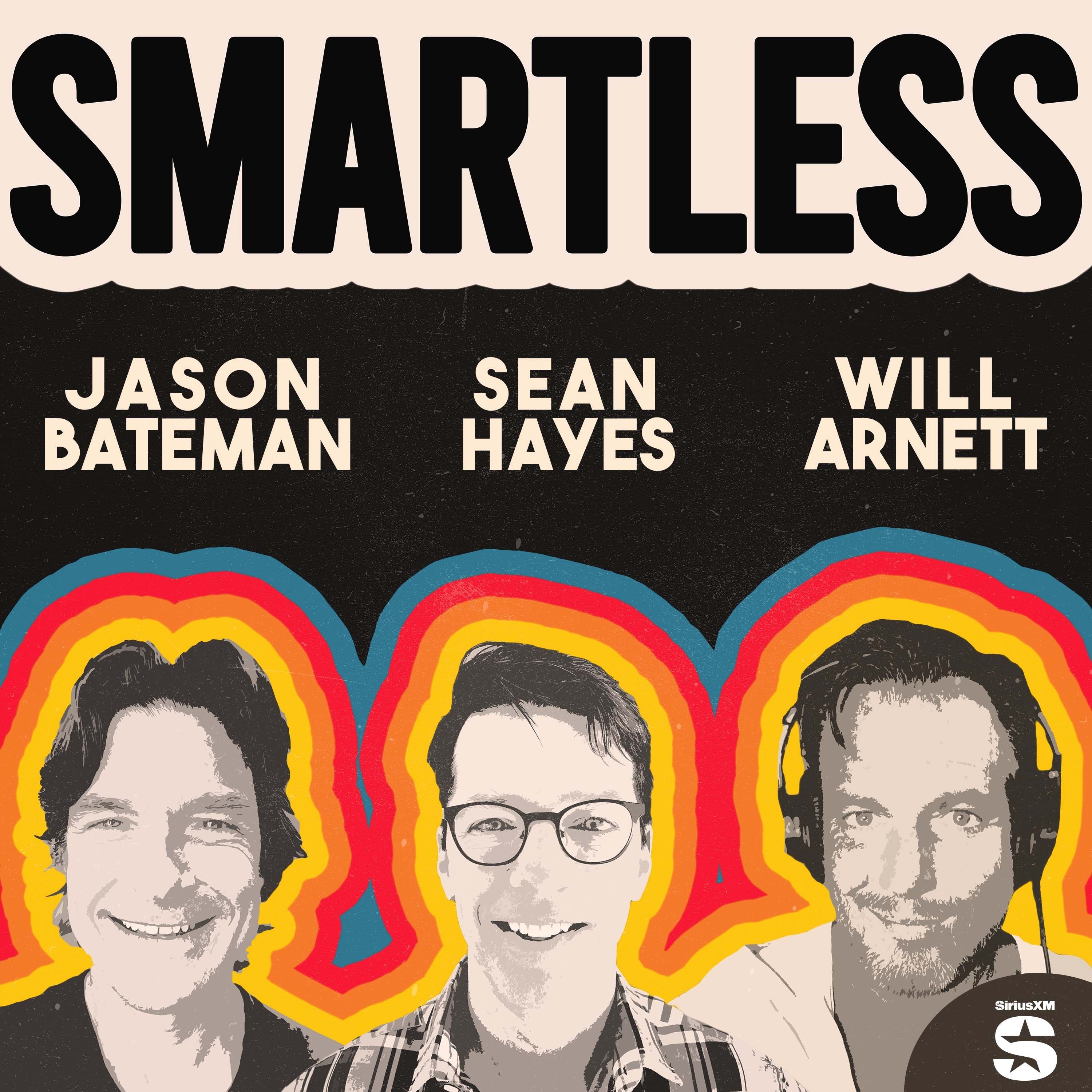
Overview of Andrew Huberman (SmartLess episode)
This SmartLess episode features neuroscientist Andrew Huberman (PhD), who joins hosts Jason Bateman, Sean Hayes, and Will Arnett. The conversation blends practical health advice, evidence-backed interventions, and personal anecdotes across topics including immune support, heat/cold exposure, nicotine, sleep, supplements, longevity, and the interaction between science and wellness culture. Huberman emphasizes mechanisms—why things work—so listeners can better filter wellness claims.
Guest background
- Andrew Huberman — PhD neuroscientist, tenured professor at Stanford School of Medicine.
- Appointments: neurobiology and ophthalmology; by courtesy, psychiatry & behavioral sciences.
- Runs a popular science podcast; focuses on translating peer-reviewed science into practical guidance.
Key topics discussed
Immune support & acute illness
- Hot baths/saunas: tolerably hot baths mobilize immune responses; useful at symptom onset and for recovery (avoid scalding / very high fever situations).
- Cold exposure: cold plunges/cold showers are potent stressors (adrenaline spike) and are best avoided while getting sick.
- NAC (N‑acetylcysteine): discussed as a glutathione precursor with a notable trial showing prophylactic benefit against flu when given ~600–900 mg, 2–3×/day (reduced infection rates substantially in a controlled exposure study). Side effects include mild mucolytic/runny nose; check with your physician.
Heat, sauna, fertility & practical sauna tips
- Saunas can be beneficial (cardiovascular, mitochondrial/immune support), but heat reduces sperm quality — men trying to conceive should avoid frequent sauna or use a groin cold pack as a mitigation.
- A “sauna hat” or towel over the head can let you stay in longer by insulating the brain.
Nicotine, delivery modes, and risks
- Nicotine: stimulant that often produces alert-but-relaxed effects; not itself carcinogenic.
- Delivery matters: smoking, vaping, dipping/snuff carry other harms (cancer, lung damage, contaminants). Vaping may raise blood pressure and anxiety for some.
- Nicotine raises blood pressure and causes vasoconstriction; habit-forming—regular use can lead to needing it just to feel baseline.
- Some evidence (animals & humans) of nicotine having neuroprotective effects (Parkinson’s/Alzheimer’s), but not a recommendation to start nicotine use.
- If used, timing and individual cardiovascular risk factors matter.
Supplements, drugs & longevity topics
- Metformin: lowers blood glucose; some use off-label for metabolic/aging reasons—discuss with a doctor. Berberine is cited as a natural alternative for glucose control.
- NAD precursors (NR / NMN): no conclusive evidence they extend lifespan in humans yet, but may increase energy/reduce inflammation; anecdotal reports (Huberman) of faster hair/nail growth.
- Low‑dose tadalafil (Cialis) suggestion from a colleague: 2.5–5 mg nightly may dilate capillaries and offset vasoconstriction in men 40+; requires prescription and doctor consult.
- GLP‑1 agonists (e.g., Ozempic): effective for weight loss and have other promising applications (e.g., reducing some cravings); caution around polarization and cost/access.
Sleep & circadian hygiene
- Get bright morning light (preferably natural sunlight) to set circadian rhythms.
- Make nights dimmer and screens lower in brightness to reduce evening alerting signals.
- Temperature trick: cool environment to fall asleep, slightly warmer in the last hours to increase REM; REM is concentrated toward morning.
- Sleep behavior: if you can’t fall back asleep within ~30 minutes, get out of bed to avoid associating bed with wakefulness.
- Resistance training and regular sleep patterns help overall brain and body health.
Cannabis & REM sleep
- High-THC products and edibles can cause acute adverse reactions (ER psychosis episodes in some people) and are unpredictable for inexperienced users.
- Chronic cannabis reduces REM; stopping leads to REM rebound and vivid dreams.
Science vs. wellness culture
- Huberman stresses explanation of mechanisms helps people judge wellness claims. He acknowledges both extremes exist: conspiratorial mistrust and hyper-skepticism; favors evidence-informed middle ground.
- Encourages long-form, mechanism-based education so listeners can filter fads.
Main takeaways
- Practical, evidence-backed interventions can help resilience and recovery: hot baths/saunas (vs. cold when sick), morning sunlight, sleep hygiene, resistance training.
- NAC (600–900 mg, 2–3×/day) has strong evidence in at least one influenza exposure study for reducing infection rates—consult your doctor before use.
- Nicotine itself isn’t carcinogenic, but delivery modes often are; nicotine is habit-forming, raises blood pressure, and should be used cautiously.
- Sleep architecture can be improved by controlling light and temperature; don’t lie in bed awake >30 minutes.
- Lifestyle factors (sleep, exercise, diet, social connection) remain foundational for brain health and longevity; supplements/drugs may help some people but require risk/benefit assessment.
- Science communication should include mechanisms to help people evaluate information in a noisy wellness landscape.
Practical tips & action items
- If you feel coming down with something: take a hot bath/shower in the 1–2 hours before bed for immune mobilization (avoid if very febrile).
- Consider NAC if you have high risk/exposure or want prophylaxis—typical studied dose: ~600–900 mg, 2–3×/day (talk to your clinician).
- Avoid cold plunges during active illness; use cold exposure when healthy for acute alertness/ dopamine tail effects.
- Men trying to conceive: avoid frequent sauna/hot baths or use an external groin cold pack during sauna use.
- Improve sleep: bright daylight in AM, dim lights in PM, keep regular bedtime within ±45 minutes, get out of bed if unable to sleep after 30 minutes.
- Add resistance/strength training to routines — important for brain and physical aging.
- Reduce phone time periodically (e.g., lockbox for parts of the day) and prioritize in-person social engagement.
- If considering prescription or off-label meds (metformin, tadalafil, GLP‑1s), consult your doctor for personalized guidance.
Notable quotes & soundbites
- “The days are too dim, and the nights are too bright.” — on modern light exposure and circadian disruption.
- “One of the worst things you can do is stay in bed trying to sleep for more than half an hour.” — practical advice for insomnia/wakefulness.
- “Nicotine is perhaps the only stimulant that also relaxes you.” — on nicotine’s unique subjective effects.
- “Science and medicine are the bedrock of everything I described.” — on relying on evidence while translating it for the public.
Resources & studies mentioned (for follow-up)
- NAC influenza exposure study — NAC 600–900 mg doses reduced infection rates in a controlled exposure trial (PubMed searchable).
- Huberman’s podcast and Stanford lab work for deeper dives on mechanisms (search “Huberman Lab podcast” and his Stanford faculty page).
- General reading: research on light exposure & circadian rhythms, sauna/cold exposure literature, GLP‑1 clinical trials for weight loss.
Disclaimer: This summary condenses a casual, long-form conversation. It includes Huberman’s interpretations and some anecdotal comments. For medical decisions (supplements, prescription drugs, fertility concerns), consult your healthcare provider.