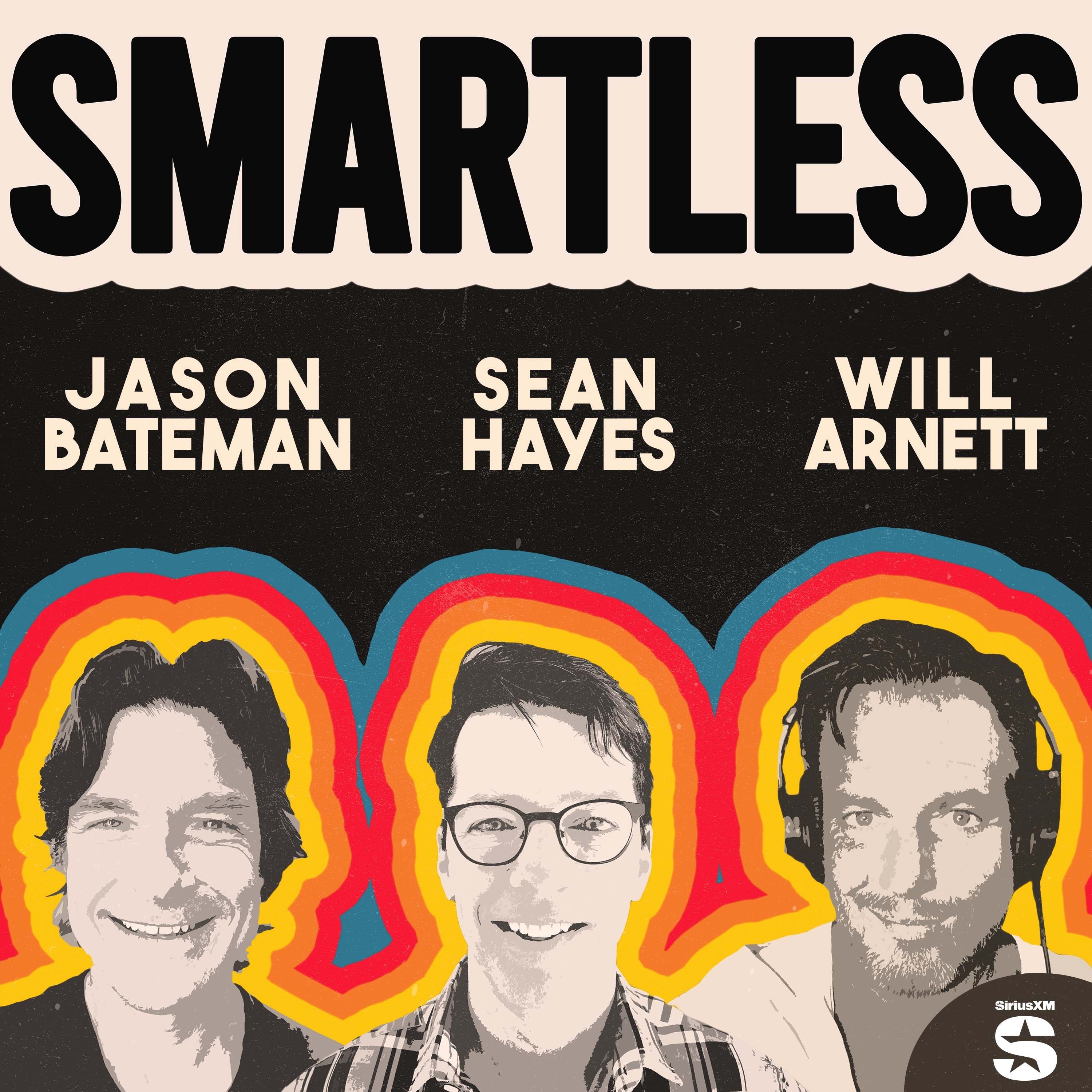
Overview of SmartLess with Nick Jonas
In this episode, Jason Bateman, Sean Hayes, and Will Arnett chat with Nick Jonas about his unusually wide-ranging career: Broadway child actor, Jonas Brothers frontman, solo artist, film and TV actor, Broadway performer, and husband/father navigating a very public life. The conversation is loose, funny, and surprisingly reflective, touching on early setbacks, family, faith, creativity, AI, and the challenge of balancing music with acting.
Key Topics Discussed
Nick Jonas’s early start in entertainment
- Nick explains that he began performing very young, first on Broadway and then in musical theater roles like Gavroche in Les Misérables and Tiny Tim in A Christmas Carol.
- He shares a funny, embarrassing childhood stage story about “getting shot” in a production and overacting the death scene, only to be instructed to “just collapse” more naturally on the next take.
- He says these early live-performance experiences taught him how to handle mistakes and keep going.
The Jonas Brothers’ rise, failure, and resilience
- Nick reflects on the band’s early career struggles, including an initial album that failed and getting dropped by their first label.
- He credits that setback with building resilience and helping them find success later through Disney and their own evolution as artists.
- He notes how their music has remained relevant because it grew with their audience.
Family, faith, and music roots
- He talks about growing up in a musical household with a father who was a musician and pastor.
- Their dad exposed them to classic artists like:
- The Beatles
- Bee Gees
- Stevie Wonder
- Carole King
- Nick says church music shaped his early musical instincts, even though the family eventually left that environment because their music wasn’t viewed as “Christian” enough.
- He discusses how that background influenced his new album, Sunday Best.
Acting, music, and creative balance
- Nick explains that he moves between acting and music depending on the project, because music can be created and released much faster than film or TV.
- He says that becoming a father changed his creative perspective, making him more connected to the words he writes and the emotional truth of his work.
- He also talks about wanting more control over his career by developing projects himself, especially over the last several years.
Life as a public figure and songwriter
- The hosts ask about how much of his personal life he reveals in songs.
- Nick says he balances honesty with privacy, sometimes changing details or using metaphor to tell a story.
- He acknowledges that artists inevitably draw from lived experience, but he prefers to shape it creatively rather than make everything literal.
AI, authenticity, and the future of creativity
- The conversation turns to AI and whether it will help or hurt the arts.
- Nick takes an optimistic stance, saying he believes humanity will use the technology for good and that lived human experience can’t be replicated.
- He and the hosts compare AI to previous music-production innovations like autotune and pitch correction.
- Nick is also excited about an upcoming film he stars in with Paul Rudd, involving a stolen song and questions of authorship, ownership, and accountability—very much in line with the AI/creativity debate.
Love of music and favorite artists
- Nick shares that he makes themed playlists, including one he jokingly calls a “Nepo Babies” playlist.
- He says he loves:
- Django Reinhardt
- Bollywood and Indian film music
- The Beatles
- Bee Gees
- Switchfoot
- The hosts and Nick compare favorite bands and concerts, with mentions of:
- The Smiths
- Depeche Mode
- Erasure
- New Order
- Radiohead
- Violent Femmes
- The Pogues
Golf, travel, and India
- The episode briefly detours into golf, with Nick talking about playing Augusta and the Masters, and the hosts teasing him about their own golf habits.
- Nick shares a lot about India, including his wife Priyanka Chopra’s film career and their wedding there.
- He explains the Sangeet tradition: a performance-based celebration where both families compete musically/dance-wise.
- He says their wedding included:
- a Sangeet
- a Western Christian ceremony
- an Indian ceremony
- He also notes that Indian weddings can last much longer than theirs did.
Notable Stories and Moments
The “got discovered at a salon” origin story
- Nick recounts how his mother was getting her hair done in New Jersey when a woman recognized his talent and recommended a manager.
- That led to auditions and his start in theater.
The family-bond theme
- The hosts connect with Nick over the experience of working closely with family and friends over long periods.
- They discuss how sibling dynamics and honest call-outs can be healthy, even if they come with conflict.
Warm praise for Nick
- The hosts repeatedly emphasize how impressed they are by Nick’s longevity, versatility, and ability to transition from teen idol to respected adult artist and actor.
- They also mention his generosity, including a holiday hospital visit where he played music for sick children individually.
Recommendations Mentioned in the Episode
Documentaries / series
- Trust Me, The False Prophet — discussed as a fascinating and tragic documentary about a fundamentalist offshoot of the Latter-day Saint movement.
- Under the Banner of Heaven — Jason references producing the adaptation and recommends the book/show.
- Apocaloptimistic — the AI documentary Sean mentions as worth watching.
Music / artists to check out
- Django Reinhardt
- Bon Iver
- The Smiths
- Depeche Mode
- Erasure
- New Order
- Switchfoot
Main Takeaways
- Nick Jonas has built a rare career that spans childhood theater, teen superstardom, solo music success, Broadway, acting, and family life.
- Early failure and public scrutiny seem to have strengthened his resilience rather than derailed him.
- He values authenticity, but he’s thoughtful about privacy and how personal experiences become art.
- His view of AI is cautiously hopeful: useful as a tool, but no substitute for lived human experience.
- Family, music, and reinvention are central threads in both his personal and professional life.