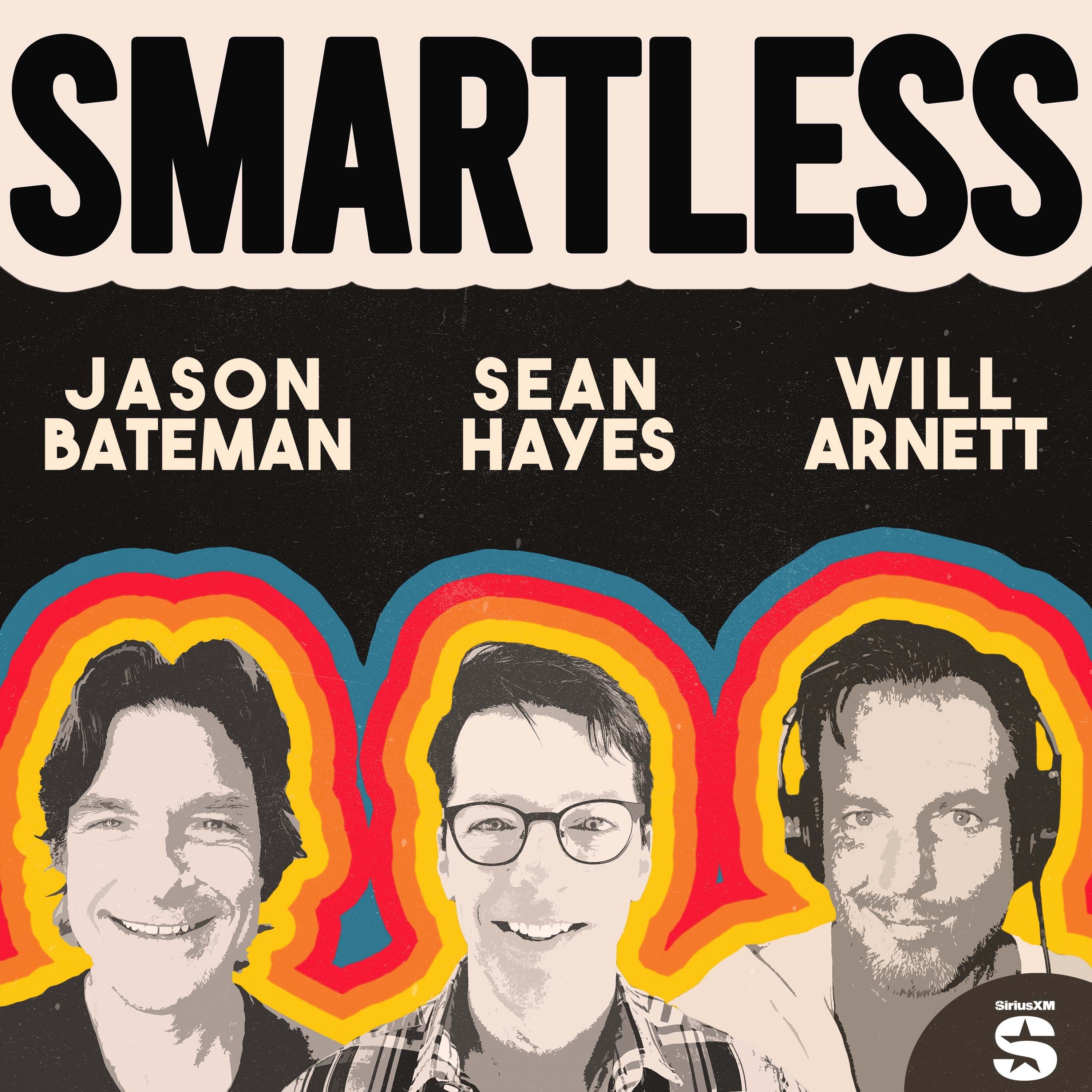
Overview of Smartless: Dustin Hoffman
In this episode of SmartLess, Jason Bateman, Sean Hayes, and Will Arnett welcome legendary actor Dustin Hoffman for a wide-ranging conversation about acting, craft, memory, and the long arc of his career. The episode blends comedy and reverence as Hoffman reflects on iconic roles like The Graduate, Rain Man, and Tootsie, while also discussing his new memoir, Look at Me. The result is part master class, part nostalgia trip, and part love letter to one of cinema’s defining performers.
Key Topics Discussed
Hoffman’s acting philosophy
- Hoffman emphasizes that great acting is hard to define, but it comes from being fully present and finding something fresh in the moment.
- He talks about how performances often evolve in the editing room, which can be frustrating for actors because the final cut may not reflect what they felt was their best work.
- He stresses that acting is about discovering truth through behavior, pauses, and subtle choices rather than forcing a result.
Rain Man and the power of uncertainty
- Hoffman shares a memorable story about feeling lost while making Rain Man and even thinking he might be failing on set.
- A key breakthrough came when director Barry Levinson pointed out that Hoffman’s natural hesitation and repeated “yeah, yeah” responses were exactly right for the character.
- He describes the collaborative process with Tom Cruise and how improvisation helped shape the performance.
Tootsie and the creation of Dorothy Michaels
- Hoffman gives a detailed look at the years-long process of developing Tootsie.
- He explains how difficult it was to make Dorothy believable, from makeup and wardrobe to voice and physicality.
- He credits collaborators like Elaine May and Sidney Pollack as essential to the film’s eventual success.
- He also recalls testing the disguise in real life and being recognized by his daughter, which was both funny and revealing.
His memoir, Look at Me
- Hoffman explains that the memoir came together through long conversations, recorded interviews, and a writer who helped him access buried memories.
- He distinguishes between autobiography and memoir, saying memoir is more about memory than chronology.
- He shares how writing the book unlocked long-forgotten experiences and reflections on his life and career.
Notable Insights and Quotes
On acting
- Hoffman’s core idea: acting is a way of saying, “Look at me. See me. I exist.”
- He argues that the best performances are rooted in vulnerability, truth, and the courage to be present.
- He shares that many great performances came from uncertainty, not confidence.
On Marlon Brando
- Hoffman recalls Brando as the model for natural, in-the-moment acting.
- He highlights Brando’s pauses, stillness, and emotional depth as qualities that changed how actors thought about screen performance.
On eye contact and human behavior
- The episode turns into a funny but surprisingly thoughtful discussion about eye contact.
- Hoffman notes that people often avoid prolonged eye contact because it can feel too intimate, which ties back to his interest in authentic behavior.
Career Stories and Hollywood History
Strasberg, Meisner, Hackman, and Duvall
- Hoffman reflects on studying acting with Lee Strasberg and debates between different acting philosophies.
- He talks about being part of a generation that included Robert Duvall and Gene Hackman, and how they didn’t expect fame.
- He remembers the competitiveness and intensity of their early years, along with their shared standards for what made a performance bad or good.
Casting Bill Murray in Tootsie
- Hoffman tells the story of meeting Bill Murray at a party and realizing he could be the perfect roommate character.
- He describes Murray’s memorable improvisational instincts and his off-screen intensity, including a dramatic moment when Murray confronted an autograph seeker.
Watching his own work
- Hoffman says he rarely re-watches his films, partly because he tends to fixate on what he thinks he did wrong.
- He admits that watching completed films can be painful because the editing process removes actors’ control over their performance.
Emotional Takeaway
The conversation becomes deeply affectionate as Jason, Sean, and Will explain how much Hoffman’s work shaped their own careers and the careers of countless other actors. Hoffman is visibly moved by the admiration, and the hosts are equally emotional discussing how much his performances meant to them growing up.
The episode ends as a warm tribute to an artist whose work helped redefine what leading men could look and feel like on screen.
Why This Episode Matters
- It offers rare insight into how a legendary actor thinks about performance.
- It gives behind-the-scenes stories from classic films like Tootsie and Rain Man.
- It highlights the emotional connection between artists across generations.
- It captures Hoffman not just as a star, but as a craftsman obsessed with truth, memory, and the need to be seen.