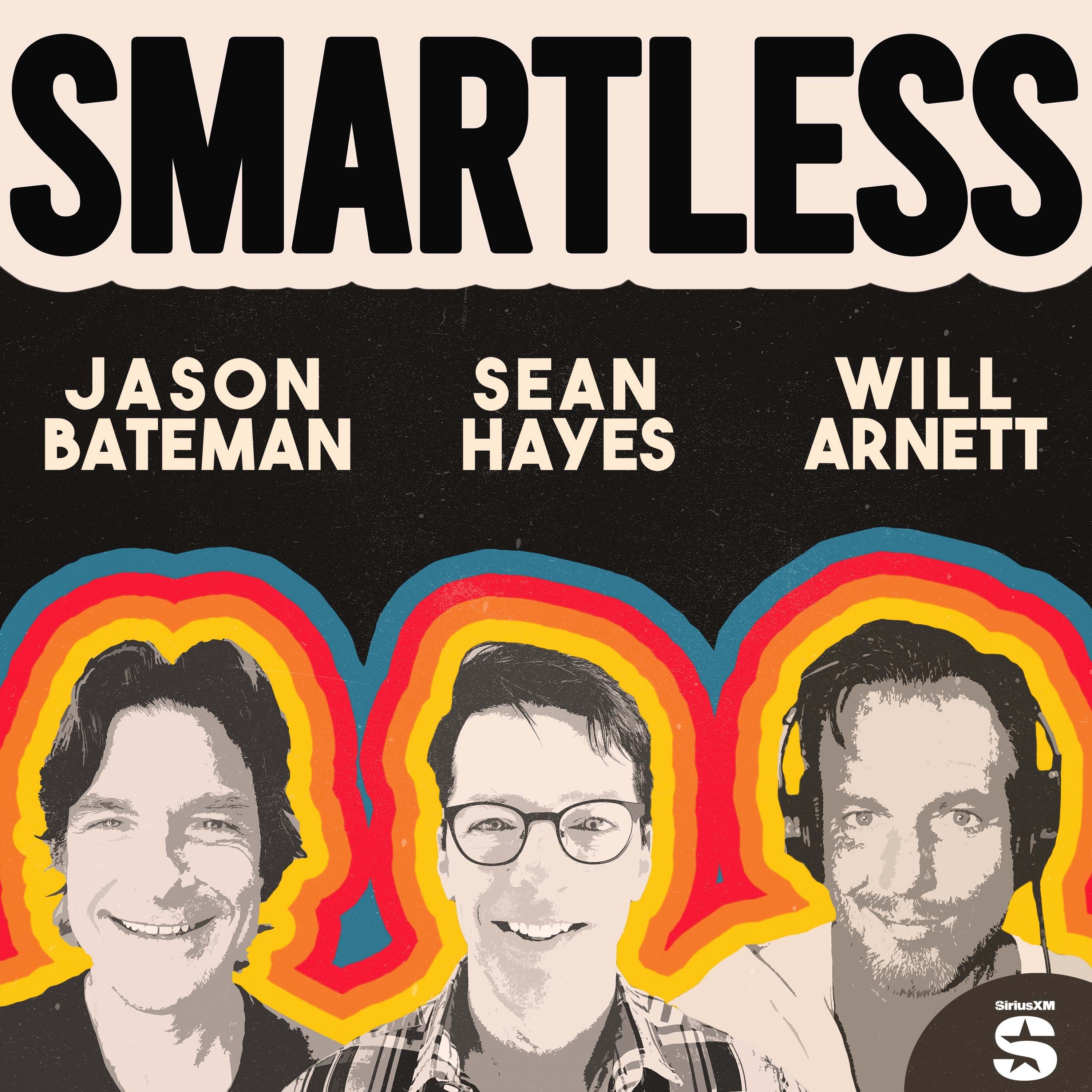
Overview of SmartLess featuring Colman Domingo
In this episode of SmartLess, Jason Bateman, Sean Hayes, and Will Arnett welcome acclaimed actor, writer, and director Colman Domingo for a wide-ranging conversation about craft, career longevity, aging, and the changing entertainment industry. The interview moves from funny banter and industry gripes into a thoughtful deep dive on Domingo’s path from shy journalism student to celebrated stage and screen performer, including his approach to playing complex characters like Joe Jackson in Michael and his belief that acting is a service job built on empathy, research, and nuance.
Main Topics Discussed
Cold open, scams, and internet nonsense
- The episode opens with typical SmartLess silliness: holiday ads, phishing scams, old chat-line memories, and jokes about their own limitations online.
- The hosts also riff on documentary “puff pieces,” criticizing how some modern docs feel more like promotional reels than serious filmmaking.
Movie criticism, Rotten Tomatoes, and taste
- The group talks about how critic and audience reactions can diverge wildly.
- Jason shares his admiration for the film Birth by Jonathan Glazer, which leads into a broader conversation about how great work can be misunderstood or underappreciated at release.
- Colman argues that art is subjective and that strong work should be willing to polarize people.
Colman Domingo’s path into acting
- Domingo grew up in West Philadelphia and originally studied journalism at Temple University.
- He describes himself as shy and not especially “theater kid”-coded early on.
- A teacher encouraged him to consider acting professionally, which became a turning point.
- He started taking theater classes, fell in love with the stage, and spent years as a dedicated theater actor while also working side jobs.
The hustle years: theater, bartending, and headshots
- Colman talks about balancing performances with bartending for years, even while doing Broadway and off-Broadway work.
- He once timed his post-show exit so he could rush to a bar shift right after curtain call.
- At one point, he even made money photographing headshots for actors in New York.
- He nearly left the industry entirely before a management change helped unlock better auditions and bigger opportunities.
Breakthroughs in film and television
- Domingo explains that many of his early screen roles came from theater credibility and persistence rather than mainstream access.
- He eventually landed major opportunities like Fear the Walking Dead and The Get Down, with Fear becoming a long-running, career-shaping role.
- He also began directing television, which he says came naturally because he likes understanding the whole machine, not just acting inside it.
Playing Joe Jackson in Michael
- A major portion of the conversation centers on Domingo’s portrayal of Joe Jackson in Michael.
- He says he approached Joe not as a one-dimensional villain, but as a father shaped by poverty, limited opportunity, and a drive to push his children to succeed.
- He wanted to find Joe’s humanity rather than lean into caricature.
- The hosts praise the performance for its layered complexity.
- Domingo notes that the film was panned by critics but loved by audiences and became a huge box-office success.
Creativity, directing, and collaboration
- Domingo says he likes preparing extensively so he can be loose and spontaneous on set.
- He memorizes most of a script before filming and prefers to still have pages in hand during rehearsal.
- He enjoys directing and producing because he likes being part of the larger creative system.
- He is developing a Netflix project called Headlands House and may direct it, though he also likes sometimes letting other creatives take the lead.
Key Takeaways
Colman Domingo’s philosophy on acting
- Acting is, to him, a form of service: a way to understand people, embody their contradictions, and reveal their humanity.
- He is drawn to roles that are emotionally complicated, morally messy, and rich with nuance.
- He believes the best work often comes from trying to understand a character rather than judging them.
Success came later, but it was built carefully
- Domingo’s “overnight” recognition was really the result of decades of theater, hustle, and persistence.
- He had a long period of being under-recognized in film/TV before projects like Euphoria and Rustin brought wider acclaim.
Aging, boundaries, and self-acceptance
- The conversation turns reflective as the hosts and Domingo talk about getting older, being less judgmental, and letting go of vanity.
- Domingo shares advice he once received: there’s a “storytelling season” in your 50s and a “truth-telling season” later, when it becomes easier to say “no” without over-explaining.
- He also talks about moving to a more private living situation as his profile grew.
Notable Quotes and Ideas
- “Acting is a bit of a service job.”
- “If some people hate it, that’s okay — art should be polarizing sometimes.”
- “You’re pleasing everybody, you’re doing something wrong.”
- “I want to find the humanity in them.”
- “No” can be a complete answer in the “truth-telling season.”
- “The most beautiful things are imperfect.”
Overall Impression
This is one of SmartLess’s more substantive and inspiring interviews: funny and loose on the surface, but ultimately a thoughtful conversation about artistic integrity, late-blooming success, and the value of seeing people in full complexity. Colman Domingo comes across as warm, disciplined, self-aware, and deeply committed to craft.