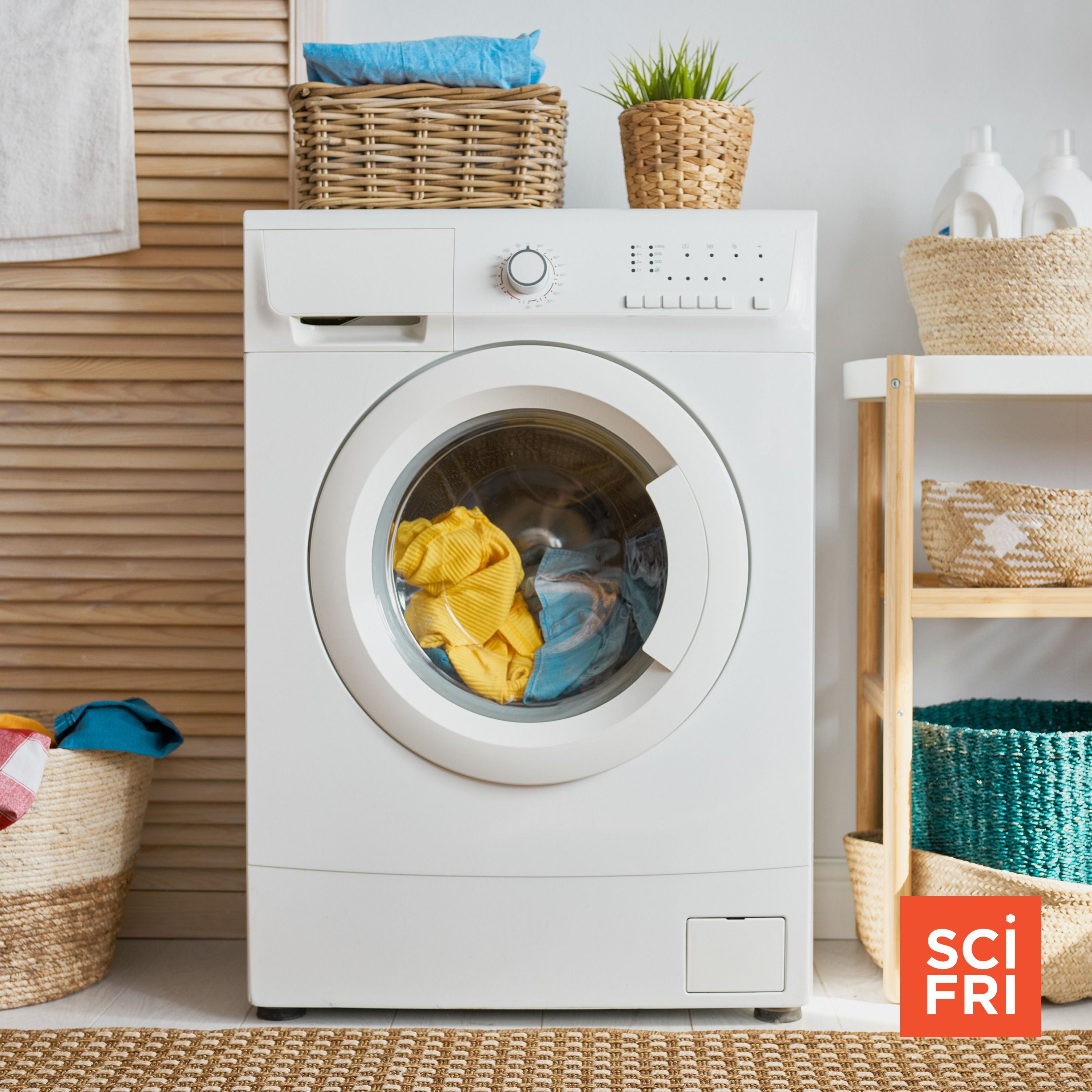
Overview of Who’s Composing Music for My Washing Machine?
This Science Friday segment explores the growing world of sonic branding—the practice of designing custom sounds for appliances, devices, vehicles, and brands. Host Flora Lichtman talks with composers Audrey Arbini and Joel Beckerman about why more products now make melodic or branded sounds, how those sounds are created, and when they enhance user experience versus when they become annoying or excessive.
Why More Products Have “Music” Now
The guests explain that appliance and product sounds have become more common for three main reasons:
- Technology now allows richer sounds than simple beeps or buzzes.
- Companies want to stand out in crowded markets.
- Sound is part of the customer experience and can make products feel friendlier, more premium, or more intuitive.
At the same time, they note a downside: too many products are now loud, repetitive, or overdesigned, creating a kind of audio clutter.
How Sonic Branding Works
Sound Should Be Functional and Emotional
Joel and Audrey stress that good product sound should do two things:
- Functionally communicate information
Example: a car or appliance sound should clearly indicate what’s happening. - Emotionally match the brand
Example: a luxury product should sound refined, while a friendly home device should sound warm and reassuring.
The Goal Is Not Just Noise
They argue that brands often overuse sound just because they can. Good sonic branding should be:
- Short
- Intentional
- Useful
- Pleasant or appropriately attention-grabbing
Examples Discussed
Whirlpool Washing Machines
Audrey Arbini describes creating sounds for Whirlpool and KitchenAid that emphasized:
- Caregiving
- Warmth
- Reassurance
- A “human touch”
She says the team used softer, richer textures—like harp tones and even sounds inspired by hands rubbing on denim—to make the appliance feel warm and comforting rather than cheap or mechanical.
Roomba Vacuum
Joel Beckerman describes composing sounds for Roomba to make the device feel:
- Friendly
- Familiar
- Non-threatening
Because robot vacuums can seem strange or even scary at first, the sounds were designed to feel like a helpful companion rather than a cold machine.
When Product Sounds Go Wrong
The guests both mention sounds they find irritating:
- Credit card readers that loudly announce “don’t forget your card”
- Accessible crossing signals that sound harsh or angry
- Modern car seatbelt alerts that escalate into very annoying beeps
Their point: alerts should communicate clearly, but not become punitive, stressful, or overly aggressive.
What Makes a Great Sonic Brand
They highlight a few qualities of strong sonic branding:
- Memorable
- Consistent over time
- Adaptable across platforms
- Immediately recognizable
- Able to evolve without losing identity
Examples of Enduring Sonic Brands
- McDonald’s jingle
- HBO theme/sound identity
These are successful because they feel iconic, familiar, and durable across different media and generations.
Main Takeaways
- Sonic branding is now a major part of product design, not just an afterthought.
- The best sounds balance utility, emotion, and brand identity.
- Too many products use sound in ways that are too loud, too long, or too intrusive.
- Good audio design can make devices feel friendlier, safer, and more human.
- The future of product sound will depend on whether companies can use it more thoughtfully, not just more frequently.
Notable Insight
A central idea in the conversation is that sound should be part of the entire human experience, not just a product feature:
- A sound can reassure, guide, or delight.
- But if it’s overused, it becomes “audio clutter.”
- Great sonic branding is less about making noise and more about making meaning.