Overview of What is lymphatic drainage, anyway?
In this Science Friday episode, host Flora Lichtman explores the growing wellness trend around “lymphatic drainage” and separates hype from science. Two experts explain what the lymphatic system actually does, why manual lymphatic drainage is used in medical settings, and which popular claims—like rebounding, vibration plates, and detox-style benefits—are supported by evidence versus mostly marketing.
What the lymphatic system does
Dr. Timothy Padera explains that the lymphatic system is a network of vessels and lymph nodes found throughout the body, including the brain, toes, and gut. Its main functions are:
- Fluid balance: it collects excess fluid from tissues and returns it to the bloodstream.
- Immune surveillance: it carries immune signals, bacteria, viruses, and other material to lymph nodes so the immune system can respond.
- Fat absorption: lymph vessels in the gut help absorb dietary fats.
Key distinction
- The blood system is a closed loop with a central pump (the heart).
- The lymphatic system is a one-way drainage network that relies on vessel contractions and muscle movement to move fluid back to circulation.
What “lymph” actually is
Lymph is not a fixed substance—it reflects the tissue it drains at any given moment.
- In inflamed tissue, lymph may contain inflammatory signals.
- In the gut, it can be rich in lipids after a meal.
- In a fasted state, it looks different than after eating.
The experts emphasized that lymph is highly dynamic and locally specific.
Manual lymphatic drainage: what it is and who it helps
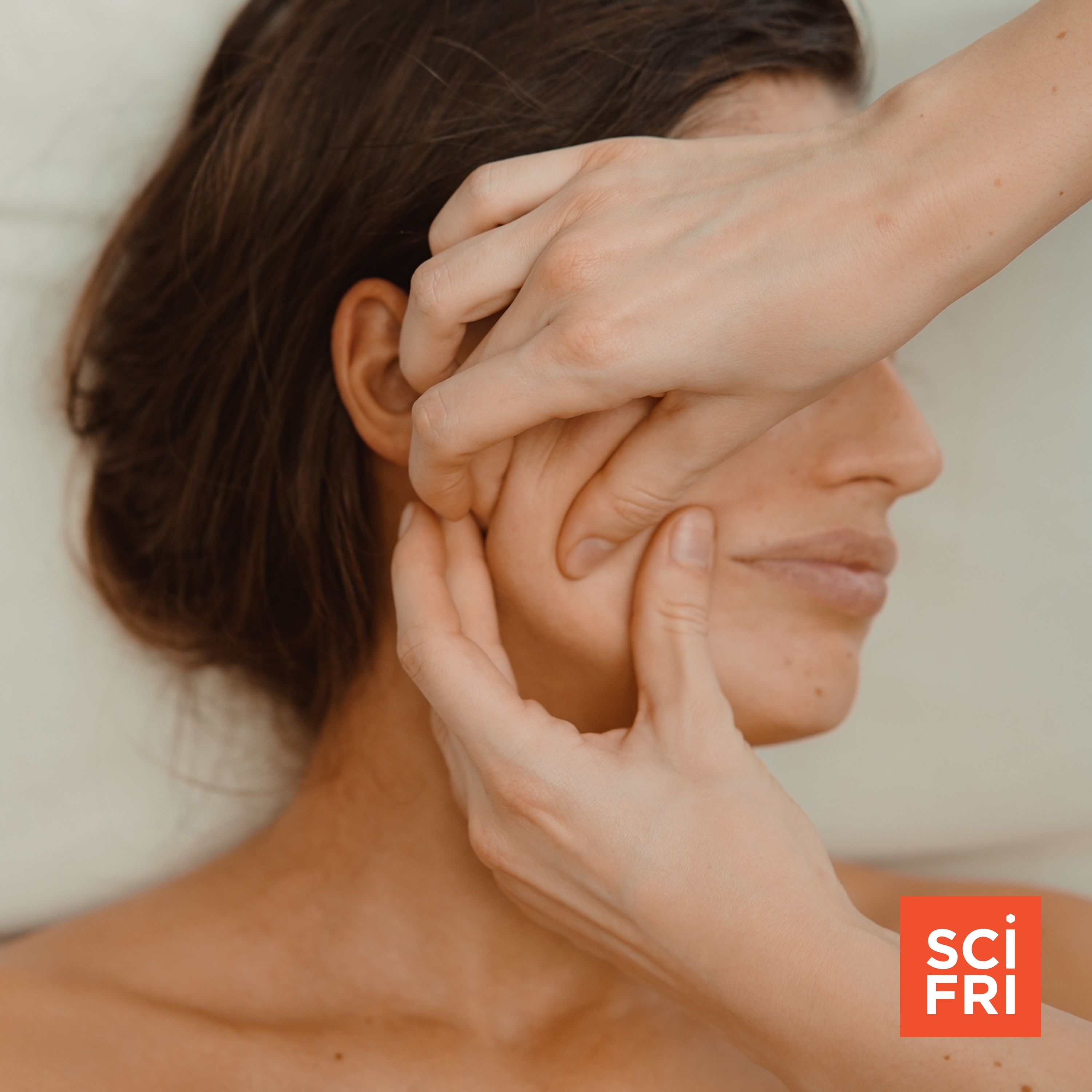
Dr. Mark Miller, a physical therapist at MD Anderson Cancer Center, describes manual lymphatic drainage as a very light massage designed to help move lymph fluid toward circulation.
Main medical use
It is primarily used for patients with lymphedema, especially cancer patients.
- In the U.S., the most common cause of lymphedema is breast cancer treatment.
- Surgery, radiation, and some chemotherapy can damage lymph nodes or vessels.
- Manual drainage, compression, exercise, and education can help reduce swelling and improve quality of life.
What it feels like
- More like a skin stretch than a deep massage
- Pressure is extremely light
- Comparable to gently petting a kitten, in the therapist’s analogy
Evidence
Miller noted that imaging studies can actually show fluid movement during treatment, supporting that the technique does move lymph fluid.
Do lymphatic wellness hacks work?
The episode examined several trendy claims and found mixed or limited evidence.
Bloating
- Lymphatics may help remove excess fluid, but bloating is often caused by other factors:
- diet
- sleep
- inflammation
- digestion
- The experts said bloating is not necessarily a sign of poor lymphatic function.
Vibration plates and rebounding
Popular online, but the evidence is weak.
- No strong research shows vibration plates improve lymphatic function directly.
- No strong research shows rebounding specifically boosts the lymphatic system.
- Any benefit may come from the muscle pump, which helps move fluid around generally.
Dry brushing and similar trends
Mentioned as part of the broader wellness cycle, but not supported as proven lymphatic therapies.
Benefits for healthy people
For people without lymphedema or another lymphatic disorder:
- There’s no clear evidence that manual lymphatic drainage improves skin health or general wellness.
- There’s also no known downside, according to Miller.
- Some sports-recovery research suggests possible benefits for reducing swelling or aiding recovery, but the evidence is not strong enough to support broad wellness claims.
The state of lymphatic medicine
Both experts stressed that lymphatic science is still underdeveloped compared with cardiology or immunology.
What’s exciting now
- Lymphatic research has accelerated since the 1990s.
- Scientists are studying lymphatic drainage in:
- brain waste clearance
- Alzheimer’s disease
- traumatic brain injury
- migraine
- heart injury after heart attacks
Clinical innovation
Miller also discussed surgical advances such as:
- Immediate lymphatic reconstruction
- Procedures that try to bypass damaged lymphatic pathways during cancer surgery
- Approaches intended to prevent swelling before it starts
Drugs and future treatments
Dr. Padera noted a surprising gap:
- There are no FDA-approved drugs specifically designed to alter lymphatic function.
- Researchers are working to identify molecular targets that could eventually lead to treatments.
Big-picture takeaway
The field is moving toward:
- better understanding of how lymphatics work
- therapies for known diseases like lymphedema
- possible future treatments for conditions where lymphatic drainage may play a role
Bottom line
- The lymphatic system is essential for fluid balance, immunity, and fat absorption.
- Manual lymphatic drainage has a real medical role, especially for people with lymphedema.
- Many viral wellness claims—like vibration plates, rebounding, or “detox” lymph hacks—have little or no strong evidence.
- Lymphatic medicine is an emerging field with major research potential, but much of it is still in early stages.