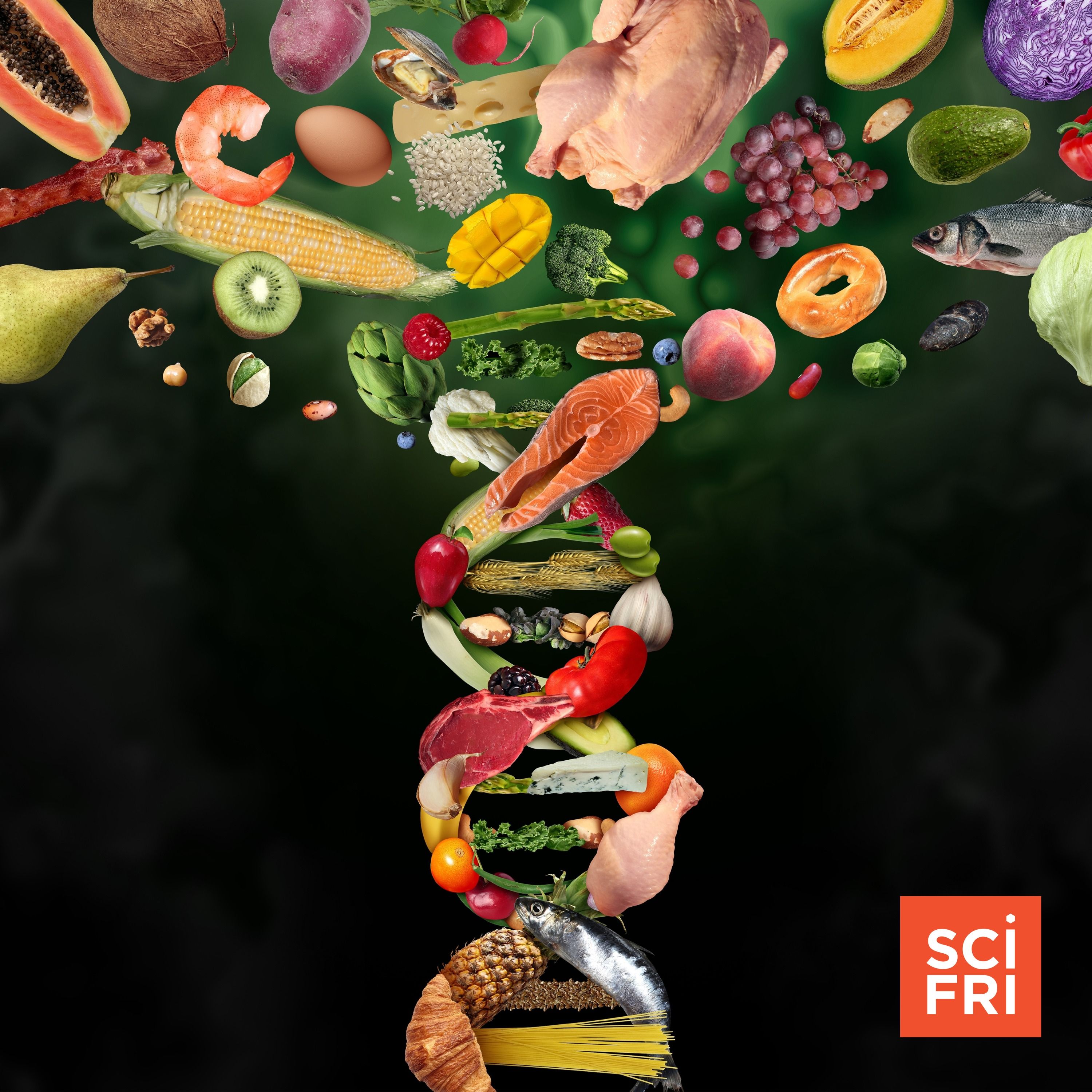
Overview of What do people eat? Plant and animal DNA in sewage provide clues
This Science Friday segment explores an unusual new way to study community diets: analyzing plant and animal DNA found in sewage. Dr. Lawrence David of Duke University describes the Edible Atlas project, which uses wastewater sampling and genetic sequencing to identify what people in a city or neighborhood are eating. The technique offers a faster, broader alternative to food surveys and grocery sales data, with potential applications in nutrition research, food access, and public health.
What the Research Shows
Foods detected in wastewater
The team has found DNA from a wide range of foods, including:
- Common staples like rice, bananas, wheat, and soybeans
- Flavorings and aromatics like rosemary, sage, garlic, and ginger
- A surprisingly broad variety of fish species — roughly 50 different species
- In cities overall, 100+ animal species and nearly 200 plant species
What stands out
One notable takeaway is that modern food systems may still be more diverse than people assume. The data suggest that people consume a broad mix of plants and animals across daily life, not just a handful of major crops.
How the Method Works
Sampling wastewater
Researchers collect wastewater from treatment plants or sewer access points, either by:
- Scooping or pumping out liters of wastewater
- Using absorbent materials to capture DNA over time
- Sampling all at once or over a 24-hour period
Sequencing the DNA
The samples are processed to identify genetic fragments from consumed plants and animals. Even though digestion breaks down most DNA, enough survives to be detected because:
- People eat a lot of DNA-containing food
- Millions of DNA copies can still make it into wastewater
- DNA can persist surprisingly well through digestion and sewage systems
Key Scientific Insights
Some foods are easier to detect than others
Detection depends on how foods are prepared and how genetically distinct they are.
- Tea shows up well, likely because steeping releases plant material
- Coffee shows up less often than expected
- Closely related foods, like broccoli and cauliflower, can be hard to distinguish
- More genetically distinct fish species can often be separated more clearly
The method is fast and scalable
Compared with surveys, wastewater sequencing could provide diet data:
- More quickly
- Across larger populations
- With less reliance on memory or self-reporting
Why It Matters
Potential public health uses
The method could help researchers study:
- Food availability in cities and neighborhoods
- Whether people are actually following advice to eat more fresh fruits and vegetables
- How seasonality affects diets
- Whether wealth or geography influences access to certain foods
A new way to measure community nutrition
Instead of relying only on surveys or grocery data, sewage DNA could offer a more direct, real-world picture of what communities are consuming.
Privacy and Ethics
Dr. David acknowledges that the work raises privacy concerns because it effectively measures what people are eating without direct consent.
Safeguards mentioned
To reduce risk, the team:
- Avoids sampling areas with fewer than 500 people
- Uses open communication with local communities
- Tries to gather feedback from people near sampling sites
The goal is to keep the data anonymous while making the research useful to the public.
How the Project Started
Dr. David’s work grew out of earlier microbiome research, including an unusual self-experiment in which he collected and recorded his own stool every day for a year. That experience taught him two things:
- Measuring diet through self-report is extremely time-consuming and imperfect
- Stool contains enough DNA to be useful for sequencing
The food-DNA method is an extension of that earlier microbiome work.
Notable Quote / Idea
- “You see everything.” — describing the range of foods detectable in wastewater
- The project highlights a striking idea: a city’s sewage can reflect its food culture
Bottom Line
The Edible Atlas turns wastewater into a public-health and nutrition research tool. By sequencing plant and animal DNA from sewage, scientists can identify what communities are eating, study food access and dietary diversity, and do it much faster than traditional methods — though privacy protections remain an important concern.