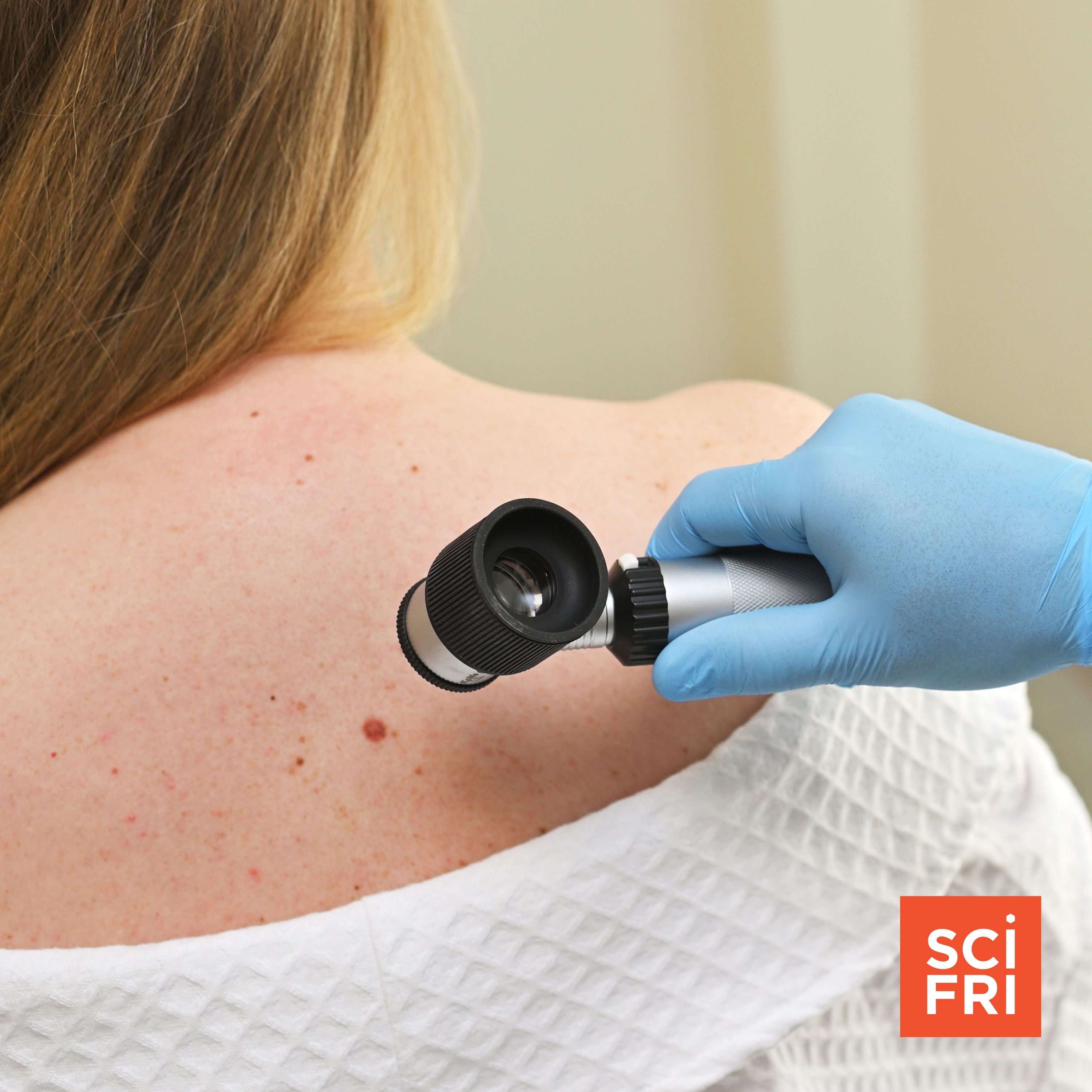
Overview of What an mRNA melanoma vaccine may mean for cancer treatment
This Science Friday segment explains why Moderna and Merck’s personalized mRNA melanoma vaccine is being viewed as a potentially major advance in cancer therapy. The vaccine is designed from each patient’s own tumor mutations and is used alongside Keytruda (pembrolizumab) to help the immune system recognize and attack leftover cancer cells after surgery, with early phase 3 results showing a meaningful reduction in melanoma recurrence.
How the Personalized mRNA Vaccine Works
Dr. Michael Postow of Memorial Sloan Kettering describes the therapy as a highly individualized cancer vaccine:
- A patient’s tumor is removed and DNA-sequenced.
- A computer algorithm identifies mutations most likely to trigger an immune response.
- An mRNA vaccine is then manufactured specifically for that patient’s tumor profile.
- The vaccine is intended to teach the immune system to recognize tumor-specific neoantigens and destroy any returning cancer cells.
Unlike traditional vaccines that prevent disease before it starts, this is a therapeutic vaccine used after melanoma has already been diagnosed and treated.
Why This Trial Is Significant
The segment emphasizes that this is notable for several reasons:
- It is the first personalized cancer vaccine made from an individual patient’s tumor.
- The phase 3 trial’s top-line results showed the vaccine, combined with Keytruda, reduced the risk of melanoma recurrence.
- It also improved distant metastasis-free survival, meaning fewer cancers spread to organs like the lungs, liver, bone, or brain.
Dr. Postow calls it a major step forward in personalized medicine and a promising scientific proof of concept.
Why Melanoma Was the Right Cancer to Test First
Melanoma was seen as an especially strong candidate because:
- It is considered a highly immunogenic cancer, meaning it often responds well to immune-based therapies.
- Prior immunotherapy approaches have already worked well in melanoma.
- Melanoma often contains many mutations, which gives the vaccine more targets to work with.
The discussion notes that these same properties may make the approach relevant to other cancers as well, including:
- Lung cancer
- Bladder cancer
- Kidney cancer
Why It’s Combined with Keytruda
The vaccine was tested with Keytruda because it is already a standard treatment for patients whose melanoma has been surgically removed but who remain at risk of recurrence.
The logic of the combination:
- Keytruda broadly boosts immune activity.
- The mRNA vaccine directs that immune activity toward the patient’s specific tumor mutations.
In other words, the drug helps activate the immune system, while the vaccine helps focus that response.
What We Still Don’t Know
Although the early results are encouraging, the full trial data has not yet been released. The key unanswered questions include:
- How large the recurrence reduction actually is
- Which patients benefited the most
- Whether the effect is strong enough to change standard treatment more broadly
Dr. Postow says the oncology community is waiting for more detailed data in the coming months.
Side Effects and Tolerability
The vaccine appears to be well tolerated so far, with no major increase in immune-related toxicity beyond what is already seen with Keytruda alone.
Reported side effects were generally mild:
- Redness or soreness at the injection site
- Temporary fatigue
- Chills
- Mild fever
Access, Cost, and Timing
The therapy is not yet FDA-approved and is still awaiting full data and regulatory review. As a result:
- It is not available for routine clinical use
- Access is currently limited to clinical trials
- It may still be months away from possible approval, if approved at all
Cost is also still unknown, though the segment notes that preventing melanoma recurrence could potentially reduce downstream medical expenses tied to additional treatment and lost work time.
Main Takeaway
The big takeaway from the conversation is that this personalized mRNA vaccine may represent a new model for cancer care: using a patient’s own tumor to build a custom immune therapy that helps prevent recurrence. If the final data holds up, it could become an important new tool not just for melanoma, but possibly for other cancers as well.