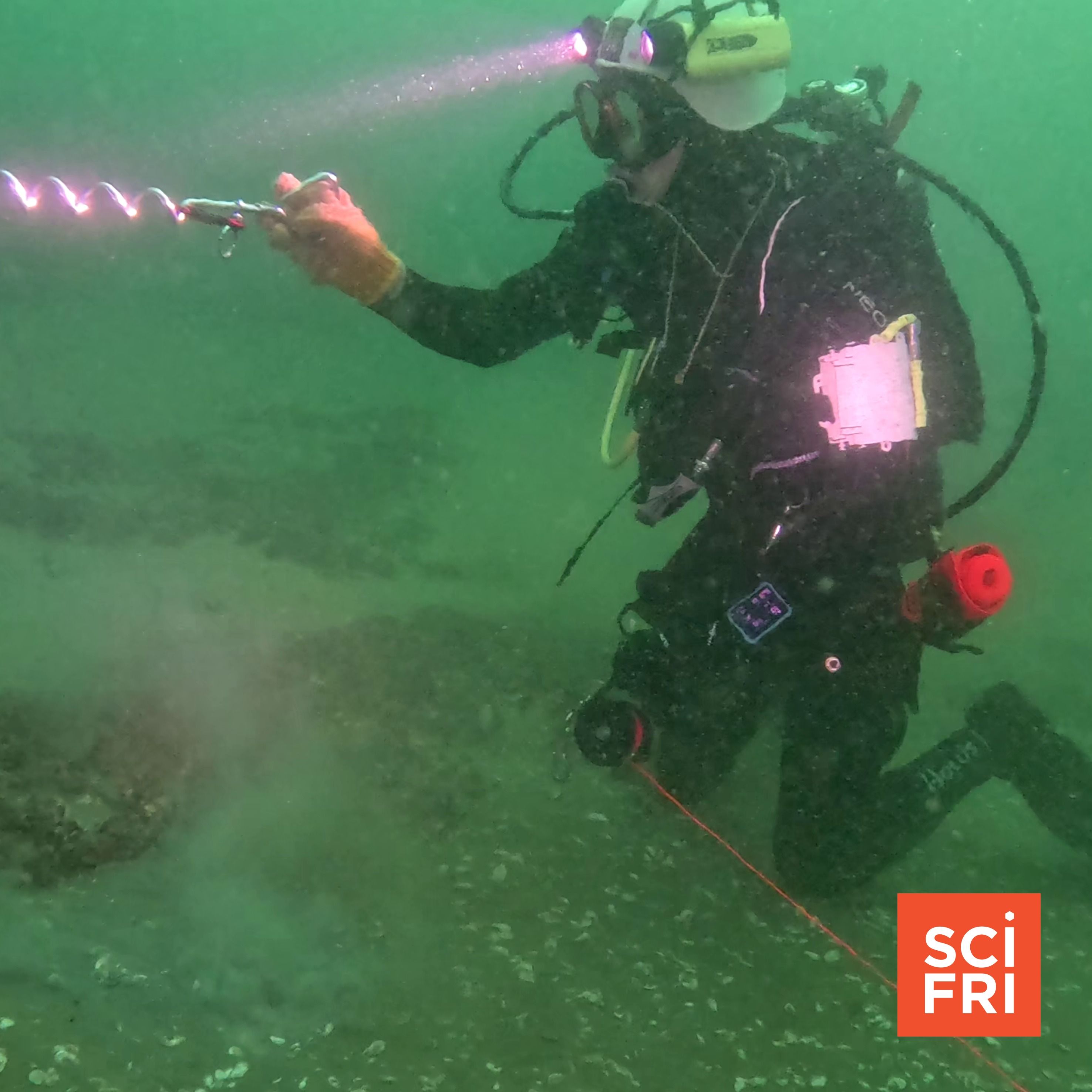
Overview of Underwater archeology reveals clues about Ice Age humans
This Science Friday segment explores how underwater archaeology is uncovering evidence of Ice Age humans in places that used to be dry land before the end of the last Ice Age. Reporter Reed Frazier describes fieldwork on Lake Erie, where archaeologists use sonar and scuba gear to search submerged landscapes, and underwater archaeologist Dr. Jesse Halligan explains why drowned shorelines, lakes, and river systems may preserve crucial evidence of early human life in the Americas.
Main Takeaways
-
Underwater archaeology is opening a new window into prehistory
- As glaciers melted, sea levels rose and flooded huge areas of once-habitable land.
- These submerged landscapes may hold evidence of human activity that can no longer be found on modern shorelines.
-
Lake Erie is one example of this kind of research
- The team used sonar to scan the lakebed for promising sites.
- They were looking for ancient landforms, like old riverbeds, where Ice Age people may have hunted, fished, or camped.
-
Florida has produced especially important submerged finds
- Halligan describes Florida 13,000+ years ago as much larger, wetter, and ecologically rich than today.
- Sites like Page-Ladson preserve evidence of humans interacting with mastodons and other animals near sinkholes and ponds.
-
The findings challenge the old “Clovis-first” model
- For decades, many archaeologists believed Clovis people were the first humans in the Americas.
- Page-Ladson dates to about 14,550 years ago, older than the earliest Clovis sites, supporting the idea that people were already present before Clovis culture appeared.
-
Wet environments can preserve organic material exceptionally well
- Constant cold, dark, wet conditions can preserve bones, plant remains, and other organic traces for thousands of years.
- Halligan notes that underwater sites can preserve not just tools, but also environmental clues like seeds, bones, and other remains.
Notable Details from the Fieldwork
What the Lake Erie team was doing
- A boat survey used sonar to map the lake bottom in long, straight transects.
- Researchers watched for subtle lines and features that might indicate ancient terrain worth sampling.
- The day was slow and methodical, with a lot of downtime between scans.
What makes underwater excavation different
- Archaeologists still work in grid squares, using tools similar to land digs.
- Instead of shovels and dustpans, they use induction dredges to vacuum sediment and bring it to the surface for screening.
- Weather, waves, and water depth make the work physically difficult and logistically complex.
Key Scientific and Historical Insights
-
The continents looked very different at the end of the Ice Age
- Rising sea levels drowned coastal plains around the world.
- Halligan estimates that globally, a land area roughly the size of Australia has been submerged since then.
-
Preservation is better than many people assume
- Stable conditions matter more than whether something is wet or dry.
- Waterlogged environments can preserve delicate evidence remarkably well if conditions remain constant.
-
The archaeology captures everyday life, not just monumental events
- Halligan emphasizes that these sites represent ordinary human behavior: hunting, butchering animals, and moving through seasonal landscapes.
- That everyday evidence is what makes the sites so valuable.
Closing Segment / Listener Note
-
The episode ends with a promo for Cephalopod Week, inviting listeners to call in with questions about:
- octopuses
- squid
- cuttlefish
-
Call for questions: 877-4-SI-FRY
Big Picture
This episode shows how underwater archaeology is reshaping what we know about the first մարդիկ in the Americas. By studying drowned landscapes, scientists can recover evidence from a time when shorelines, rivers, and ecosystems looked very different—and when humans were already living, hunting, and adapting across the continent.