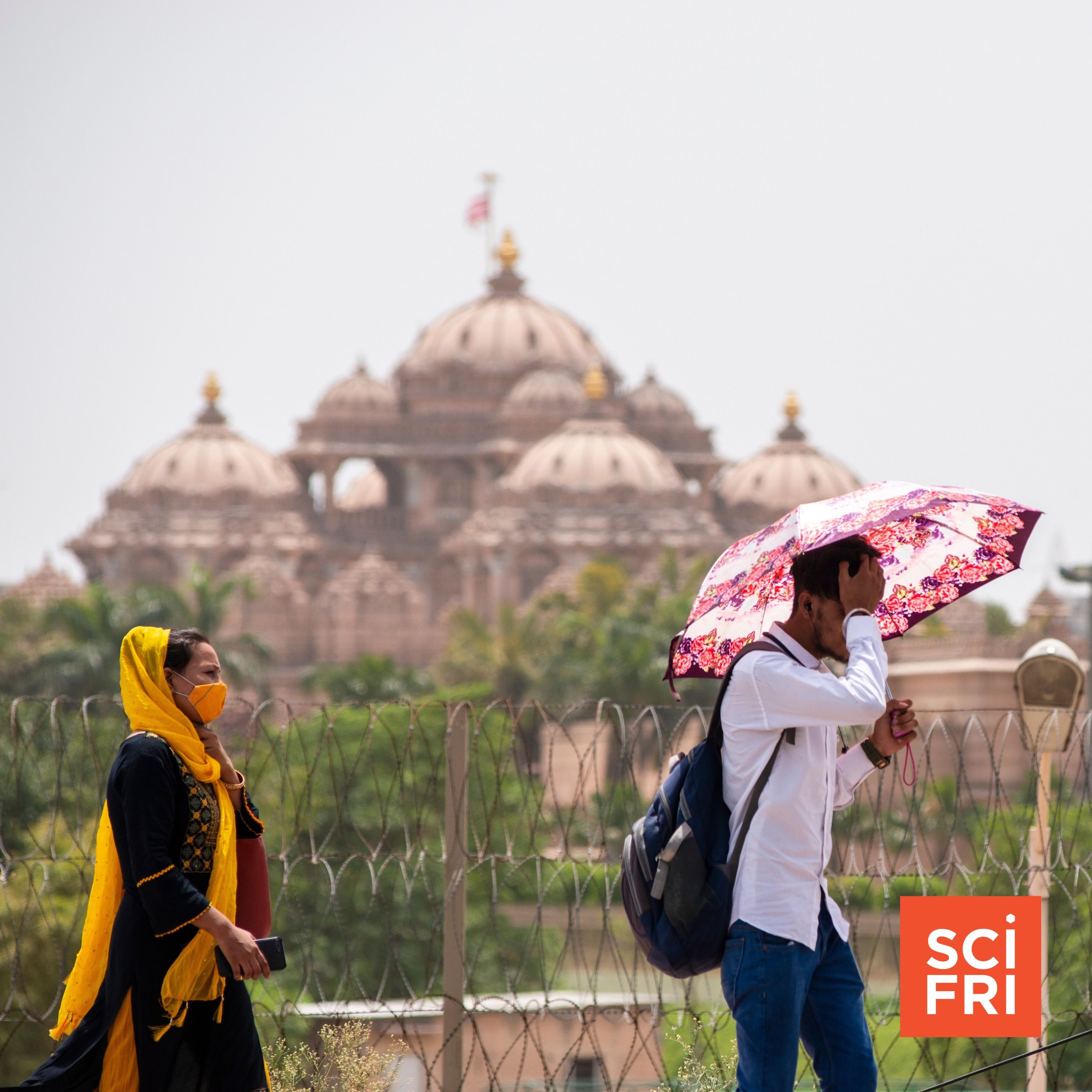
Overview of The reality of living with extreme heat in India
This Science Friday segment examines how extreme heat is reshaping life in India, one of the world’s most climate-vulnerable countries. Host Flora Lichtman speaks with physician and heat researcher Dr. Gulrez Azhar about the health impacts of heat waves, the limits of human adaptation, the challenges of tracking heat-related deaths, and the practical steps communities can take to reduce risk.
Key Themes and Takeaways
-
Heat is becoming more dangerous and more common in India.
- Recent years have seen more extreme heat waves.
- At one point this year, the 50 hottest cities on Earth were all in India, with average peak temperatures around 112°F (44°C).
-
Human adaptation has limits.
- Azhar emphasizes that while people can acclimate somewhat, there are hard physiological thresholds beyond which the body cannot safely cope.
- In parts of India, projected future temperatures may exceed those thresholds.
-
Extreme heat disproportionately affects vulnerable workers and communities.
- People in construction, agriculture, and service work often spend long hours outdoors without air conditioning.
- In India, access to air conditioning is in the single digits overall; more than 94% of people do not have AC at home.
-
Heat-related deaths are undercounted.
- India’s health and death-reporting systems are incomplete.
- Many migrant workers die far from their home states and may never appear in official records.
- Death certificates often list an immediate cause like cardiorespiratory arrest or renal failure, even when heat was the underlying trigger.
Dr. Gulrez Azhar’s Research in Ahmedabad
What the research showed
- Azhar’s work in Ahmedabad found that about 10% of construction workers were hospitalized for dehydration and heat exposure.
- The findings helped demonstrate that heat is not just uncomfortable—it is a major public health threat.
What changed as a result
Working with city officials, his team helped develop and expand heat-safety measures, including:
- keeping parks open during the day,
- avoiding power cuts and repairs during the hottest hours,
- increasing water delivery to slum communities,
- training health staff to recognize and treat heat illness,
- ensuring ambulances had ice packs, cold water, and trained personnel.
These kinds of heat action plans have since been adopted in many Indian cities.
Myths and Misconceptions About Heat
“Men are affected, women aren’t”
Azhar pushes back strongly on the idea that women are protected from heat simply because they may spend more time indoors.
- In many slum households:
- there is no indoor toilet,
- no reliable indoor water supply,
- limited ventilation,
- smoky cooking conditions,
- and heat-trapping metal roofs.
- Women may avoid drinking water to reduce the need to go outside to use the toilet, increasing dehydration risk.
- In Azhar’s data from Ahmedabad, more women than men died during heat events.
What Helps Protect People From Heat
Azhar says solutions do not have to be expensive or high-tech. Many are simple and practical:
- Change work hours to avoid the hottest part of the day
- Rest or nap indoors in the afternoon
- Drink plenty of water
- Wear appropriate clothing
- Design homes for ventilation and cooling
- Use heat awareness and preparedness plans
- Keep water access reliable
- Train health workers and emergency responders
- Reduce emissions and planting trees as long-term climate solutions
A Notable Insight
One of the most striking findings Azhar cites is that people who already believe heat is a threat are four times less likely to suffer heat-related illness than those who view extreme heat as normal and unavoidable.
Why This Matters
The conversation makes clear that extreme heat is not just a weather issue—it is a public health, infrastructure, and climate justice issue. For India and other hot, densely populated regions, even brief power outages or gaps in preparedness could become deadly. The episode highlights both the urgency of climate adaptation and the importance of reducing future warming.