Overview of The Power of the Stories We Tell About the Ocean
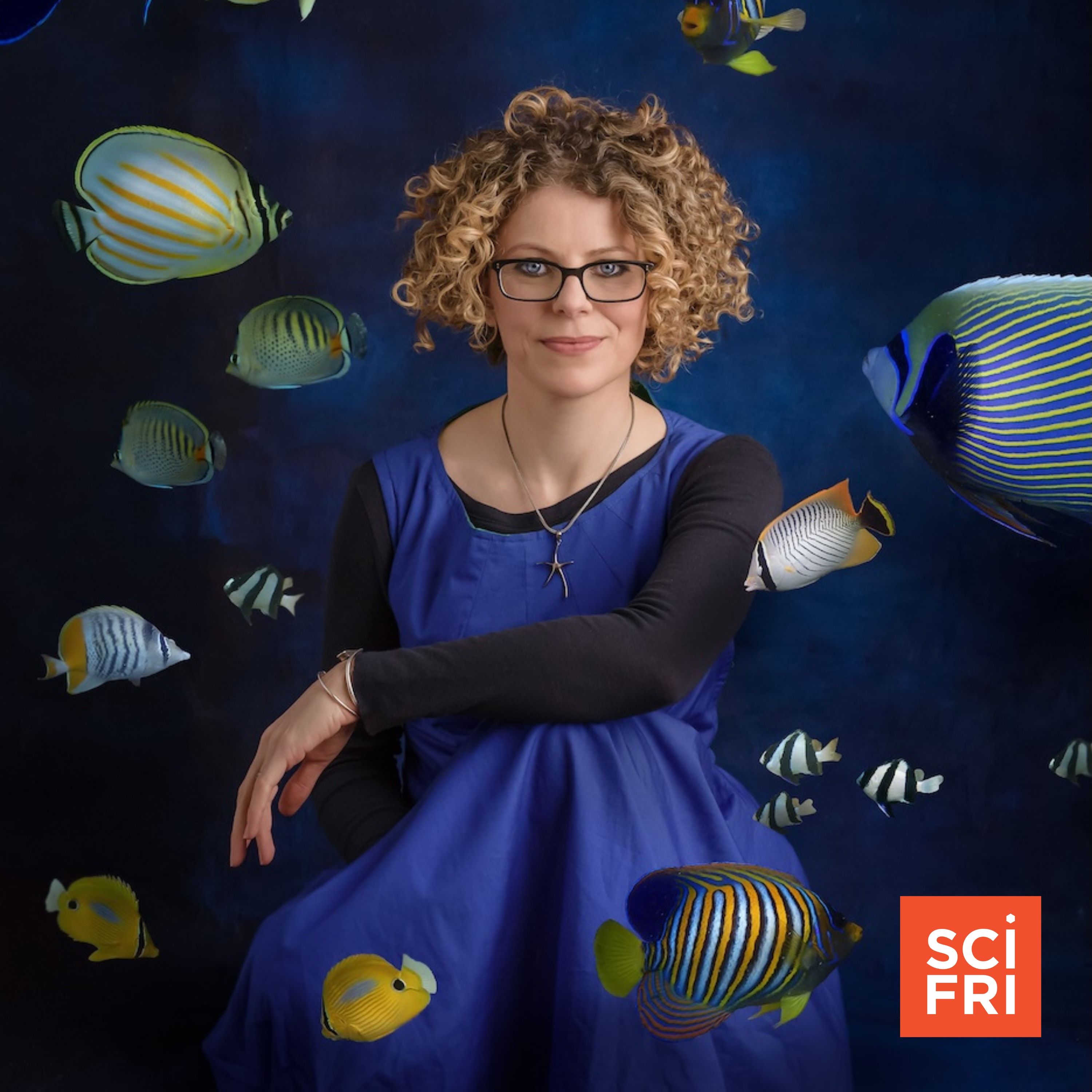
This Science Friday conversation with marine biologist and author Dr. Helen Scales explores how the way we talk about the ocean shapes public understanding, conservation policy, and hope for the future. Rather than framing the seas as “already lost,” Scales argues that the ocean is in a state of serious stress but still recoverable—and that compelling stories, from whale recoveries to new scientific discoveries, can change how people think and act. The episode also highlights how personal encounters with ocean life create lasting emotional bonds that can motivate stewardship.
Main Themes and Takeaways
The ocean is deeply damaged, but not beyond repair
Scales pushes back on all-or-nothing thinking about ocean collapse.
- The ocean faces major threats from:
- Climate change
- Overfishing
- Pollution, including plastics
- Emerging threats like deep-sea mining
- She stresses that the ocean is not “done”—it is undergoing major change, but recovery is still possible.
Deep-sea mining is a major concern
Scales identifies deep-sea mining as one of the most urgent future threats.
- Mining would disturb some of the last largely untouched habitats on Earth.
- It could cause:
- Habitat destruction
- Pollution
- Species loss
- Permanent damage to seabed ecosystems
- She emphasizes that the ocean’s size should not be mistaken for invulnerability.
The ocean is resilient in different ways than land ecosystems
Because the ocean is fluid and many marine species disperse through eggs and larvae, recovery can happen across broader regions.
- Protecting one area can benefit nearby populations.
- Marine recovery can be surprisingly connected and widespread.
- This makes ocean conservation both different from, and in some ways more hopeful than, conservation on land.
Stories of Hope
Whales as a conservation success story
Scales points to whale recovery as a powerful example of what can happen when public attitudes change.
- Whales were once treated as industrial resources.
- “Save the whales” campaigns helped transform them from commodities into beloved, intelligent animals.
- Their comeback shows:
- Storytelling can change minds
- Conservation can work
- Big species can recover over time
Other comeback stories
She briefly references additional examples of marine recovery, including:
- Bluefin tuna
- Regrowing mangroves
These examples reinforce her point that the ocean is capable of healing when given a chance.
Scientific Discovery: “Dark Oxygen”
A strange new finding from the deep sea
One of the most surprising parts of the episode is the discussion of dark oxygen.
- Scientists discovered that some seabed nodules on abyssal plains may be producing oxygen.
- These nodules, which grow over millions of years, may act like little batteries.
- The discovery challenges the assumption that oxygen only comes from photosynthesis.
Why it matters
This finding raises major questions about:
- How life in the deep ocean works
- Whether the deep sea played a role in Earth’s earliest biology
- Why the deep ocean should be protected before we fully understand it
Scales argues that this is exactly the wrong time to begin industrially scraping up the seabed.
Ocean Identity and Institutional Change
The ocean as a stakeholder
Scales highlights an unusual and symbolic move by the Scottish Association for Marine Science, which appointed the ocean as one of its trustees.
- The idea is to have someone in decision-making meetings speak for the ocean’s interests.
- This is already shifting internal conversations.
- It suggests a model other institutions could follow.
A growing movement
She sees rising public and institutional recognition that:
- Humans are “ocean people”
- The ocean supports life on Earth, even for people far from the coast
- Ocean protection needs to be part of climate and policy discussions
Listener Stories: Why Ocean Encounters Matter
The episode includes listener-submitted stories about unforgettable encounters with marine life, especially whales and turtles.
Why these moments feel so powerful
Scales explains that these encounters are moving because they create a moment of direct recognition:
- “I am here, and you are here.”
- The encounter is fleeting, surprising, and deeply real.
- Seeing a whale, manta ray, or turtle can create a bond that lasts for years.
Personal connection becomes stewardship
These stories matter because they:
- Make the ocean feel personal
- Turn abstract environmental issues into lived experience
- Encourage people to care, talk, and advocate
Scales suggests these moments ripple outward—helping others feel more connected to the sea too.
Notable Insight
“We’re not done.”
Scales repeatedly emphasizes that the ocean is in crisis, but not beyond recovery. That perspective is central to the episode: urgency without fatalism, and hope grounded in real examples of recovery and scientific discovery.
Bottom Line
This episode argues that the stories we tell about the ocean matter. If the ocean is portrayed only as damaged and doomed, people may disengage. But if it is framed as complex, resilient, and still worth fighting for—through whale recoveries, new discoveries, and personal wonder—then more people may be inspired to protect it.
Related Resource
- Book club pick: What the Wild Sea Can Be: The Future of the World’s Ocean by Dr. Helen Scales
- More at: sciencefriday.com/book-club