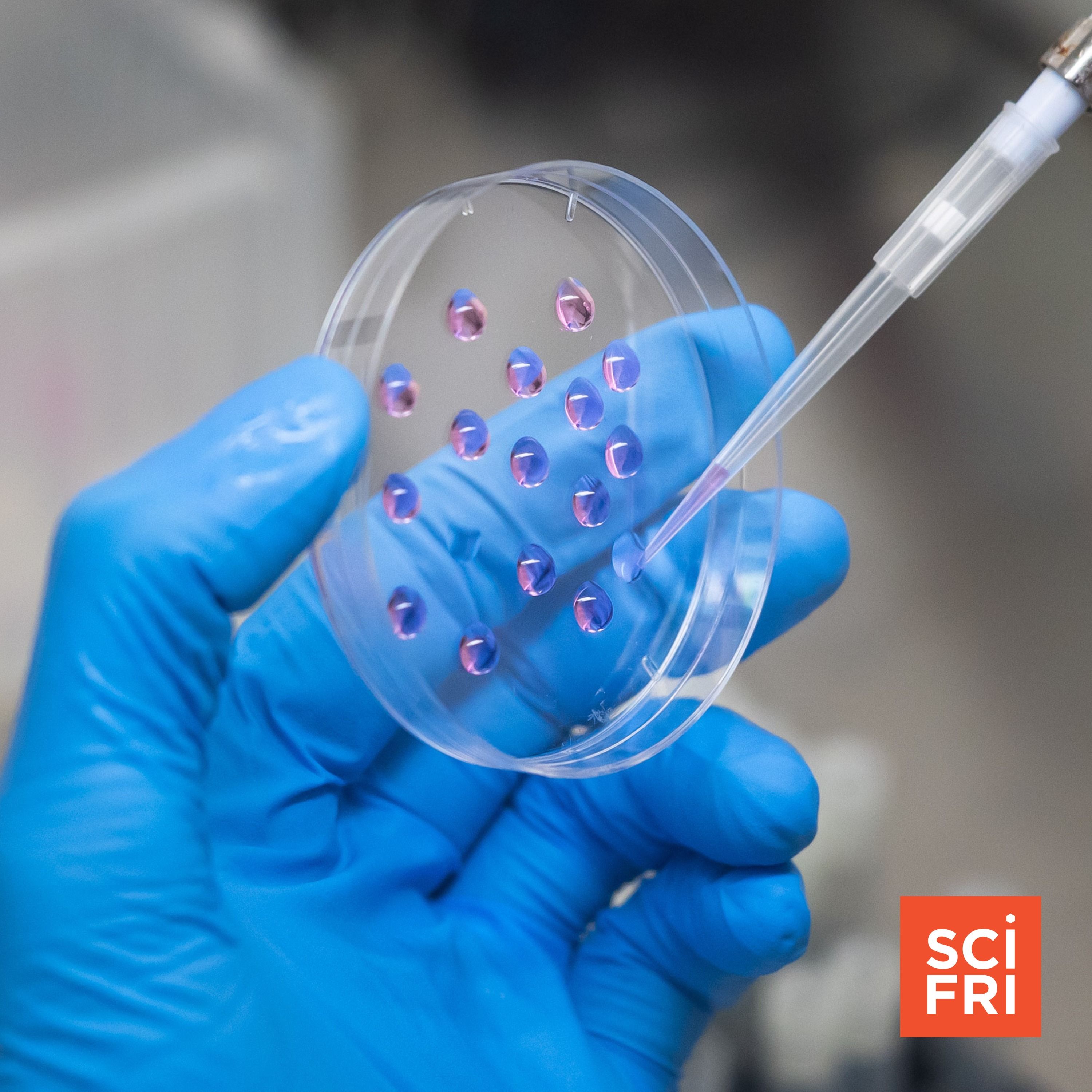
Overview of Science Friday: The New Frontier of Cancer Research Is in Space
This Science Friday episode explores how microgravity aboard the International Space Station is helping cancer researchers study tumor growth in ways that are impossible on Earth. Host Ira Flatow speaks with Dr. Katrina Jamieson and Dr. Minel Datta about how space conditions can accelerate tumor growth, reveal hidden biological mechanisms, and potentially speed up drug discovery for some of the deadliest cancers.
Why Space Is Useful for Cancer Research
- On Earth, gravity creates experimental artifacts such as sedimentation, buoyancy, and convection that can distort how cells and 3D tumor organoids behave.
- In microgravity, researchers can better model the human body’s environment and observe tumor development more clearly.
- Space appears to “unmask” biology that is harder to detect in standard lab settings.
Key Idea
Space is not just a novelty for research — it acts as a biological stress test that can reveal how cancer cells adapt, survive, and spread.
Major Findings Discussed
Tumors Grow Much Faster in Space
- Tumor organoids that might take years to triple in size on Earth can do so in about 10 days in space.
- Researchers say cancer can seem to “clone itself on steroids” in microgravity.
The “Dark Genome” and ADAR1
- Jamieson described how space stress may activate repetitive DNA once dismissed as “junk” DNA.
- This activation appears to turn on ADAR1, a gene linked to tumor growth and stress response.
- Researchers have identified a drug, rebexinib, that blocks this pathway.
Immune Cells Also Change
- In space, immune cells in tumor models can be reprogrammed by cancer to support tumor growth instead of fighting it.
- Similar immune suppression signatures have been observed in astronauts’ circulating immune cells.
Clinical and Medical Implications
Potential Risks for Astronauts
- The guests discussed whether undetected cancers, especially blood cancers or cancers that spread to bone marrow, could worsen in space.
- This raises concerns for future astronauts and for better cancer screening in general.
Unexpected Resilience in Astronaut Stem Cells
- Contrary to expectations, some astronaut stem cells showed resilience rather than simple deterioration.
- Researchers observed a kind of “clone war” in which regenerative stem cells may compete against mutated ones.
- This may help scientists understand how to boost natural defenses against early cancers and precancers.
Future Research and Trials
Rebexinib and Clinical Testing
- Rebexinib has already shown promise in space-based experiments and is entering a phase 1 clinical trial at UC San Diego’s Moores Cancer Center.
- The drug was tested across several cancers, including:
- Glioblastoma
- Secondary acute myeloid leukemia
- Metastatic breast cancer
- Ovarian cancer
Expanding Beyond Blood Cancers
- Space research helped researchers test whether the ADAR pathway is important in a broader range of cancers, not just blood cancers.
- Future work aims to expand into a phase 1b/2 trial for ADAR-activated malignancies.
Next Missions
- Upcoming flights, including SpaceX missions and Space Tango-enabled cube labs, will focus on:
- Patient-derived glioblastoma organoids
- Drug testing in microgravity
- Comparing tumor behavior across different cancer types
Broader Scientific Value
- The episode emphasizes that space biomedicine can improve understanding of diseases on Earth.
- Beyond cancer, the researchers believe space-based studies may help with:
- Autoimmune disease
- Neuroinflammatory disorders
- Neurodegenerative diseases like Parkinson’s
- Aging-related biological decline
Notable Takeaways
- Microgravity is a research tool, not just a setting: it can expose hidden cancer biology.
- Space may accelerate discovery, shrinking years of lab work into months or days.
- Cancer and immune systems are deeply interconnected, and both respond strongly to stress.
- Commercial space platforms may soon make this kind of research more routine and scalable.
Closing Thought
The conversation presents space as an emerging “catalyst” for cancer research — one that could reveal new drug targets, improve tumor modeling, and eventually help develop better treatments for some of the most aggressive cancers on Earth.