Overview of Surveying wildlife along Lewis and Clark's route, 220 years later
This Science Friday episode follows a modern wildlife survey retracing Lewis and Clark’s route to compare early-1800s wildlife records with today’s animal populations. Wildlife ecologist Dr. Roland Kays describes a cross-country expedition using camera traps, kayaking, and local scientists to track how species have changed over time. The episode then shifts to Dr. Ruth Oliver’s study on human-animal interactions, which uses large-scale data from cell phones, cars, and GPS collars to understand how the physical presence of people affects wildlife behavior.
Lewis and Clark, Revisited: A Modern Wildlife Expedition
What the expedition is doing
- Dr. Roland Kays and his team are traveling along much of the Missouri River route Lewis and Clark followed.
- They are using:
- camera traps
- on-the-ground wildlife observation
- a network of 100+ scientists
- canoes, kayaks, and vans to cover the route
The goal
- Compare wildlife today with what Lewis and Clark documented in their journals.
- Use the expedition as a long-term benchmark for understanding:
- species recovery
- habitat loss
- conservation successes
- ongoing threats to wildlife
Key conservation takeaway
- The wildlife story is more complicated than a simple decline narrative:
- Some species have rebounded dramatically thanks to conservation.
- Others are still under serious pressure from development, agriculture, and infrastructure.
Major Findings and Conservation Themes
Signs of recovery
- Kays says many animals are doing much better now than 100 years ago.
- Examples of conservation success:
- Bald eagles have recovered strongly after near-extinction.
- Sandhill cranes are now common in places where they were not seen historically.
- Deer and turkeys are abundant in some areas.
Why recovery happened
- Modern wildlife recovery is tied to conservation tools developed in the 20th century:
- protected areas
- hunting regulations
- bag limits and seasons
- wildlife management science
- national parks and national forests
- endangered species protections
Ongoing threats
- The team also sees major modern pressures:
- oil infrastructure
- roads
- habitat fragmentation
- conversion of prairie to farmland and ranchland
- Kays emphasizes the challenge of sharing a “crowded planet” with wildlife while still producing food and energy.
Species of Concern: Prairie Dogs
Why they matter
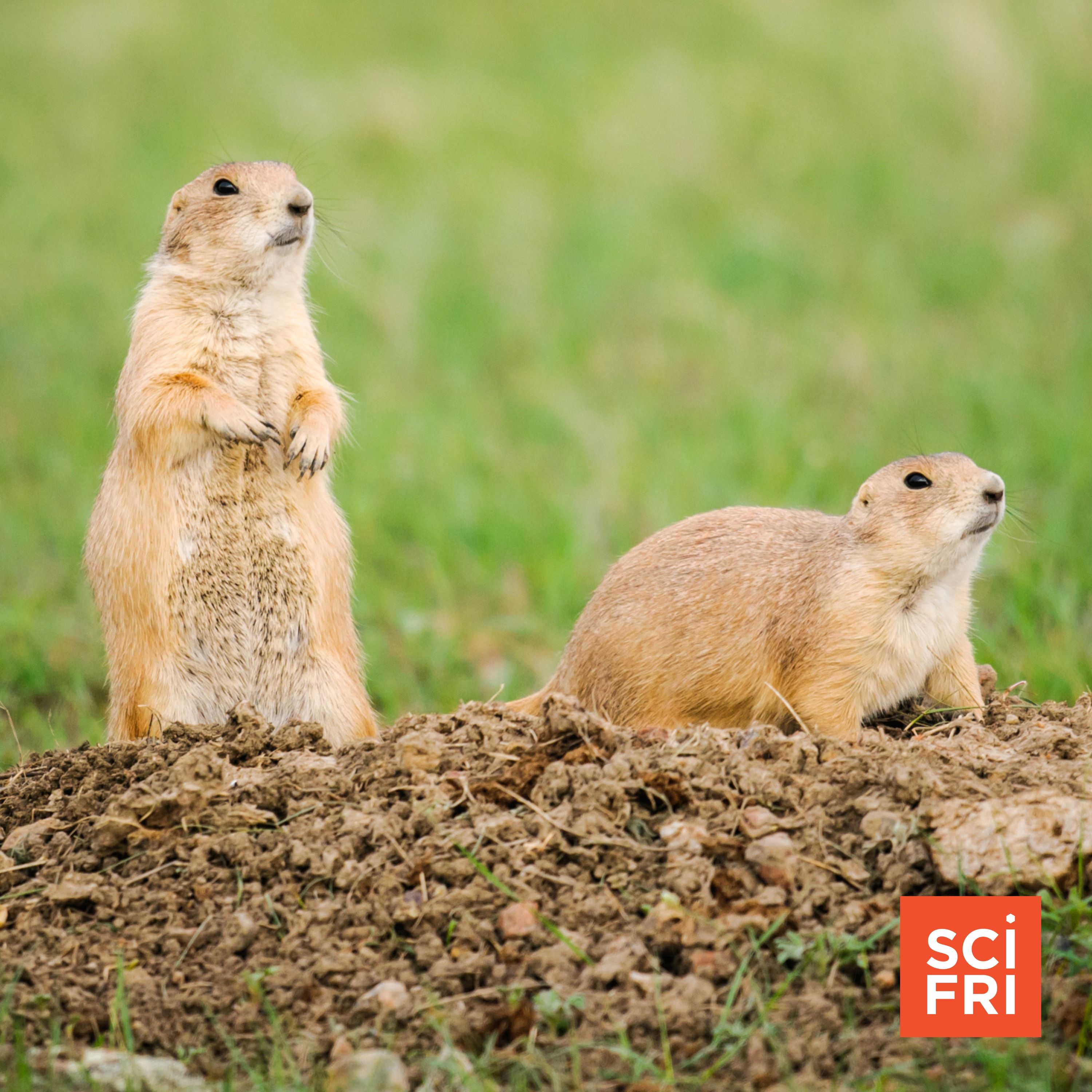
- Prairie dogs are highlighted as a major concern.
- According to Kays and local expert Dr. Amanda Cheeseman:
- they’ve lost over 90% of their range
- they are still being exterminated on public lands with public funds
Why this is significant
- Prairie dogs are native wildlife, but are often viewed as competitors with cattle.
- Kays argues they deserve more public support and better messaging.
- The conversation jokingly proposes that prairie dogs need a “PR team.”
Memorable Field Moment
- One especially dramatic moment came near the mouth of the Missouri River:
- a bald eagle attacked a duckling
- the duckling jumped into the researchers’ boat for protection
- the team escorted it back to shore
- It served as a vivid reminder of how direct and immediate wildlife encounters can be in the field.
New Study: Measuring Human Presence, Not Just Human Development
What Dr. Ruth Oliver studied
- Oliver’s research asks: How do humans impact wildlife?
- Her team wanted to separate:
- habitat modification (roads, buildings, cleared land)
- from the direct physical presence of people
Data sources used
- anonymized, aggregated cell phone counts
- car data
- GPS collars on animals
Why this is important
- Ecologists have long known humans affect wildlife, but large-scale data on where humans are physically present has been hard to obtain.
- This study helps quantify those impacts in a way that was previously difficult.
Key Findings from the Human-Wildlife Study
Main result
- Human presence has a large impact on many species.
- Animals often respond more strongly to humans in less developed areas than in heavily developed places.
Interpretation
- In less developed landscapes, wildlife may be less habituated to people.
- That means simply measuring development is not enough; actual human presence matters.
Species examples
- Cougars:
- reduce the amount of space they use as human density rises
- reduce it even more in less developed areas
- Gray wolves:
- expanded their range in response to humans
- also expanded even more in rural areas
- researchers think this may reflect long histories of human persecution
Broader Implications
What both studies suggest
- Conservation is shifting from broad generalizations to more precise, data-driven wildlife management.
- Better understanding of:
- where humans are
- how animals react
- which habitats still matter most
- could lead to smarter strategies for coexistence.
Optimistic takeaway
- Oliver is hopeful that these findings can help create:
- better policies
- targeted protection
- more nuanced approaches to sharing landscapes with wildlife
Notable Insights
- “We invented wildlife management” — Kays underscores that many conservation successes came from deliberate public policy, not chance.
- Wildlife decline is not uniform — some species are recovering while others remain in trouble.
- Human presence matters beyond land use — animals react not just to altered habitats, but to people themselves.
- Better data can improve conservation — tracking both humans and animals at scale opens new possibilities for protecting wildlife.
Where to Follow the Work
Roland Kays
- Website: RolandKays.com
- Also shares videos on his YouTube channel, Wild Animals
Ruth Oliver
- Her study appears in Science
- Co-author: Scott Yanco at the Smithsonian
Bottom Line
This episode shows that wildlife conservation in the U.S. is a mixed story: many species have rebounded thanks to modern protections, but others remain threatened by development and human activity. By retracing Lewis and Clark’s route and combining animal tracking with human mobility data, the researchers are building a richer picture of how wildlife is changing—and what it will take to help species coexist with people in the future.