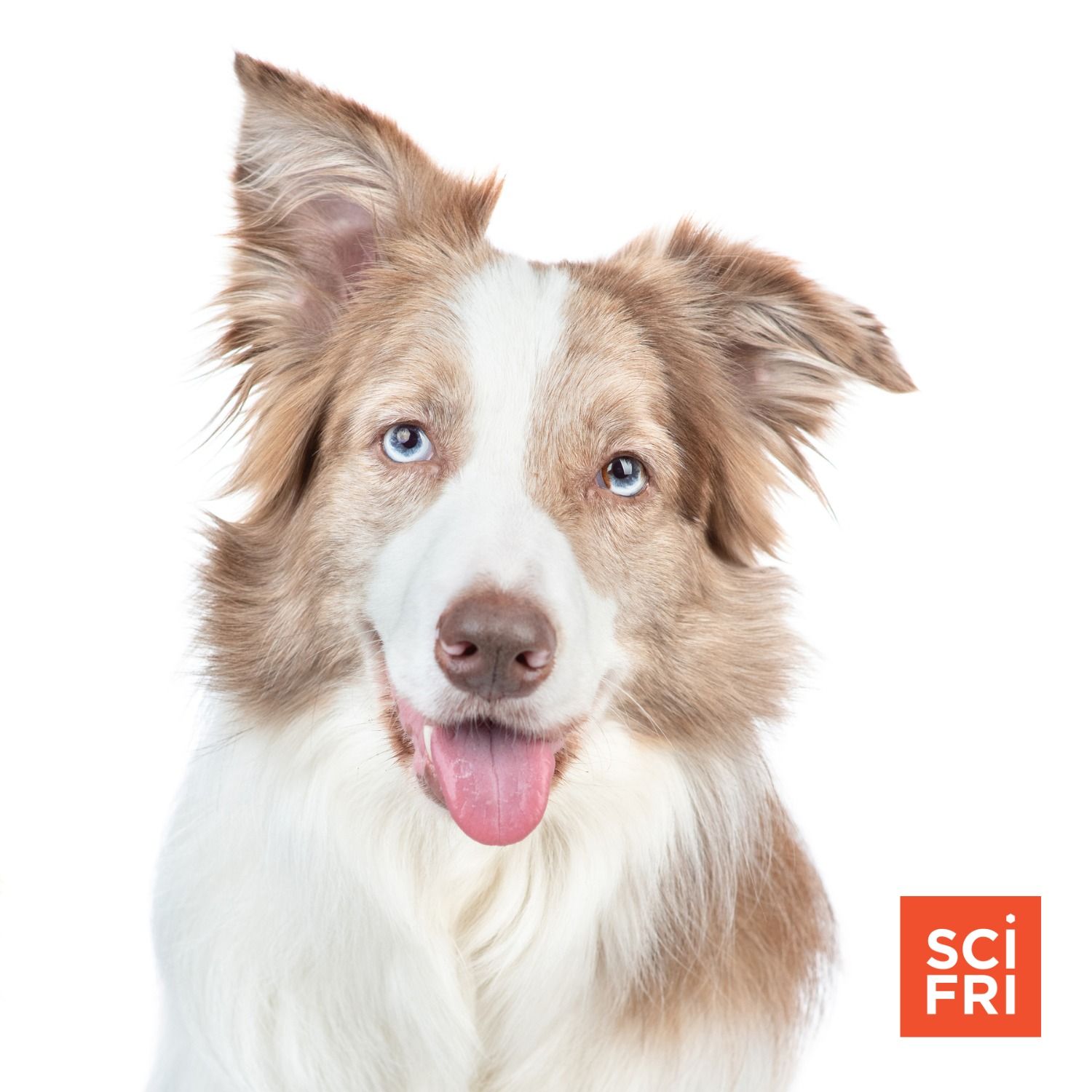
Overview of Untangling The History Of Dog Domestication
This Science Friday episode (Science Friday / WNYC Studios) explores new research that reshapes how we think dogs became so diverse. Host Flora Lichtman interviews two researchers: Dr. Carly Amin (bioarchaeologist, University of Exeter) about morphological diversity in ancient dog skulls and the long timescale of dog domestication, and Dr. Erin Hecht (evolutionary biologist, Harvard) about the Russian silver-fox domestication experiment and how brain anatomy changes with selection for behavior.
Episode metadata
- Host: Flora Lichtman (Science Friday)
- Guests: Dr. Carly Amin (University of Exeter), Dr. Erin Hecht (Harvard)
- Context: Tied to the Westminster Kennel Club Dog Show and recent Science paper on dog diversification
Key takeaways
- Breed standards and the formal notion of “breeds” are largely Victorian inventions, but substantial morphological diversity in dogs predates the 1800s by millennia.
- Archaeological evidence shows major skull shape changes by ~11,000 years ago and large morphological diversity already present by the Neolithic (8–9 kyr BP).
- Modern dogs derive from Eurasian gray wolves; pinpointing a single origin place/time is difficult because wolves were widespread and many ancient wolf lineages are now extinct.
- The Russian silver-fox experiment demonstrates that selection for tameness alone can rapidly change behavior and produce physical/neural changes across generations.
- Brain anatomy (notably cortical/prefrontal regions) changes with selection for social behaviors; similar cortical expansions are seen in modern cooperative dog breeds and (contentious) hypotheses of human self-domestication.
Carly Amin — study on skulls, methods and findings
- Dataset: >600 archaeological canid skulls (dogs and wolves) spanning ~50,000 years.
- Goal: Identify when wolf-like skulls become recognizably “dog-like” and quantify how early diversity emerged.
- Main morphological change: around 11,000 years ago, skulls shift from long/gracile wolf shapes to shorter, broader (“boxy”) braincases with shortened snouts—features not present in wild wolves.
- Diversity: From ~10,000 years ago onward there is a wide range of skull sizes and proportions. By the Neolithic (≈8–9k years BP) variation in skull morphology was already about half of what we see across modern dogs.
- Limits: Archaeological record has not yet shown the extreme brachycephalic forms (e.g., pugs, French bulldogs) found in modern show breeds.
- Origins: Genetic evidence ties modern dogs to Eurasian gray wolves. Because wolves had a broad Pleistocene distribution and many local wolf lineages are now extinct, locating a precise time/place remains difficult.
Erin Hecht — silver‑fox experiment and brain evolution
- Background: Mid-20th century Russian experiment selectively bred wild silver foxes for tameness (tolerance of human approach). Selection by behavior alone produced rapid changes.
- Timeline & behavior: Significant tameness changes occurred within ~10 generations; after 60+ generations, foxes are notably friendly, social, and less stressed around humans (but not identical to dogs).
- Phenotype changes: Tame foxes show altered behaviors (cuddling, reduced fear, novel vocalizations) and reduced stress responses in novel situations.
- Brain findings: Both tame and aggressive selected lines show expansions in several brain regions—most prominently prefrontal cortex—despite opposite behavioral outcomes. This suggests:
- Macro-level brain changes can be parallel even when behaviors diverge.
- Micro-level differences (cell types, gene expression) may underlie distinct behaviors; work is ongoing.
- Comparative notes: Modern cooperative dog breeds also show cortical expansion related to social/complex behaviors.
- Human angle: The “self-domestication” hypothesis proposes humans underwent selection for reduced aggression and greater social tolerance—potentially paralleling domestication-related brain changes—but more comparative brain/evolutionary work is needed.
Implications & context
- Breed diversity is older and more complex than the Victorian breed standard narrative suggests; humans had shaped dog morphology thousands of years ago in varied ways.
- Domestication appears to involve both behavioral selection and correlated morphological and neurological changes.
- Loss of ancient wolf genetic diversity complicates reconstruction of domestication origins.
- Understanding brain-level changes in domestication informs questions about social evolution in other species, including humans.
Notable quotes
- Carly Amin: “By about 11,000 years ago… we see this boxy kind of widening of the brain case and shortening of the nose… that you don't see in the wild wolves.”
- Erin Hecht: “After 10 generations, they had foxes that were acting significantly differently… and now, 60+ generations in, these are much, much different.”
Recommended next steps / resources
- Read Dr. Carly Amin’s Science paper (referenced in the episode) for full methods and morphological analyses.
- Follow-up literature on the Russian fox experiment for behavioral-genetic details and subsequent neuroanatomical studies.
- For broader context: work on dog genetics, ancient DNA studies, and discussions of human “self-domestication.”
Limitations and unanswered questions
- Exact geographic/timepoint origin of dog domestication remains unresolved.
- Archaeological samples currently do not show extreme brachycephalic morphologies common in some modern breeds.
- Mechanistic links between observed macro-level brain changes and specific behavioral phenotypes require more cell-level and gene-expression data.
Hosts and guests wrap the episode with light commentary about the Westminster Dog Show and personal preferences, but the scientific core focuses on deep-time morphological diversity and how selection for behavior reshapes brain and body.