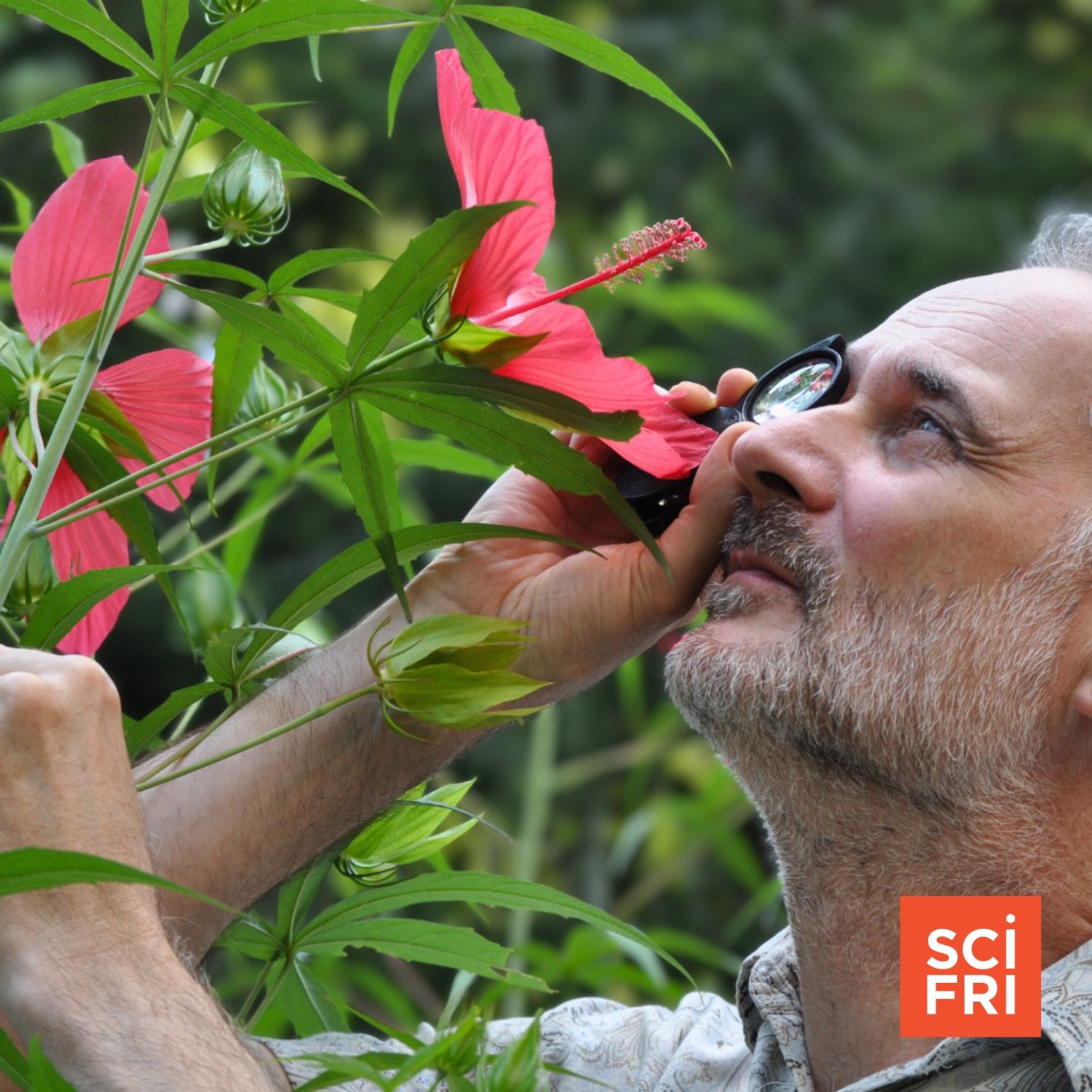
Overview of The secret powers of flowers
This Science Friday interview (hosted by Ira Flatow) features biologist and author Dr. David George Haskell (How Flowers Made Our World). Haskell reframes flowers as major evolutionary innovators—not merely decorative—explaining how flowering plants (angiosperms) rapidly transformed Earth’s ecosystems, catalyzed the evolution of many animal groups (including humans), underpin global agriculture, and now face threats from human activity. The conversation covers the origin and rapid diversification of flowers, grasses as flowers and their role in human evolution and nutrition, orchids’ extreme pollinator specializations, underwater seagrasses, and conservation implications.
Key takeaways
- Flowers (angiosperms) appeared roughly ~130 million years ago and quickly became dominant, creating rainforests, prairies, mangroves, seagrass meadows, and other productive ecosystems.
- Floral innovations—attractive petals and scents, combining male/female organs, enclosed seeds/fruits, and nutrient-rich seed provisioning—accelerated diversification and ecosystem change.
- Grasses are flowering plants; three grasses (wheat, maize/corn, rice) supply about two-thirds of human caloric intake. Grasslands played a central role in hominin evolution (bipedalism).
- Orchid-pollinator relationships illustrate extreme specificity: some orchids deceive pollinators or mimic female insects; such specificity can drive rapid speciation but increases extinction risk if pollinators disappear.
- Seagrasses are true flowering plants that flower underwater, sequester carbon, stabilize sediments, and support marine ecosystems—yet many seagrass beds are declining.
- Many flowering-plant groups are threatened: estimates cited include ~50% of orchids and magnolias as at risk of extinction.
- Flowers change the world largely through cooperative interspecies interactions (beauty/attraction-based mutualisms), offering a model of transformation by connection rather than domination.
Topics discussed
- Evolutionary impact of angiosperms: timing, speed of takeover, and ecological consequences.
- Floral biological innovations (visual/olfactory attraction, bisexual flowers, fruits, seed endowment).
- Grasses as foundational flowers: lawn ecology, wind pollination, seed endosperm, role in human diet and evolution.
- Orchids as examples of complex pollination strategies, including deceit (e.g., bee orchid) and the Darwin orchid/moth anecdote.
- Genetic “nimbleness” of flowering plants enabling rapid diversification (Darwin’s “abominable mystery” revisited with modern genetics).
- Conservation threats to flowering plants and examples of restoration success (notably seagrass recovery).
- Cultural and aesthetic relationships humans have with flowers and how those perceptions can both obscure and reveal ecological roles.
Notable quotes & insights
- “Flowers made our world.” — central thesis: angiosperms are revolutionary architects of modern ecosystems and agriculture.
- “Flowers offer an alternative view of how the world can be changed... through interconnection, often mediated by interspecies experiences of beauty.” — flowers as cooperative revolutionaries.
- “All flesh is grass.” — shorthand for the ecological truth that much of animal biomass and human food rests on grasses (a line used to emphasize the foundational role of grasses).
- Darwin’s “abominable mystery” — historical reference to the sudden, explosive appearance of many flowering-plant lineages in the fossil record; modern genetics helps explain this rapid diversification.
- Orchid–moth story: Darwin predicted a moth with a very long proboscis to pollinate a long-spurred Madagascar orchid; the moth was later discovered and matched his prediction.
Implications & recommended actions
- Conservation priority: protecting flowering-plant diversity (orchids, magnolias, seagrasses, and other angiosperms) is essential given their foundational ecological and agricultural roles.
- Support and scale up habitat restoration (e.g., seagrass meadows) to enhance carbon storage, shoreline protection, and biodiversity.
- Promote pollinator-friendly practices: preserve native floral diversity, reduce pesticides, and maintain habitat connectivity to reduce the risk from specialized plant–pollinator dependencies.
- Rethink lawn culture: allow grasses/flowering plants to complete life cycles where feasible to support ecosystems (and recognize that grasses are flowering plants, not merely “green carpet”).
- Use aesthetic appreciation of flowers as a gateway to conservation: beauty can motivate cooperation and stewardship.
Episode & guest details
- Show: Science Friday (WNYC Studios)
- Episode title: The secret powers of flowers
- Host: Ira Flatow
- Guest: Dr. David George Haskell — biologist, author of How Flowers Made Our World: The Story of Nature’s Revolutionaries (based in Atlanta, GA)
- Producer: Shoshana Buxbaum
If you want a concise next step: read Haskell’s book for deeper examples and narratives (orchids, seagrasses, grasses) and consider one local action—plant native flowering species or support seagrass restoration/conservation groups in your region.