Overview of Teasing Apart The Causes And Early Signs Of Parkinson’s
This Science Friday episode (host Flora Lichtman) features Dr. Emily Taman‑Donfar (movement‑disorder neurologist, Keck School of Medicine of USC) and Dr. Michael Okun (professor and executive director, Norman Fixel Institute; medical advisor to the Parkinson’s Foundation). They review what researchers currently understand — and don’t — about why Parkinson’s starts, early (prodromal) signs to watch for, ongoing efforts to find biomarkers and earlier diagnosis (notably the Parkinson’s Progression Marker Initiative, PPMI), and practical prevention and management advice. The episode stresses caution about simple causal narratives, optimism about research progress, and the importance of community and storytelling.
Key takeaways
- Parkinson’s disease likely begins years (often decades) before classic motor symptoms appear. Early non‑motor signs include loss of smell and REM sleep behavior disorder (acting out dreams).
- Alpha‑synuclein protein misfolding and aggregation is a major hallmark, but it may be a signal rather than the sole cause; Parkinson’s is heterogeneous and likely has multiple causes.
- Only ~13–15% of people with Parkinson’s have a single identifiable genetic mutation; the majority of cases likely involve environmental factors interacting with biology.
- Environmental exposures implicated (associations, not proven causation) include pesticides (e.g., paraquat), trichloroethylene (TCE) contamination in water, and air pollution.
- There is currently no proven disease‑modifying therapy that definitively slows Parkinson’s progression. Exercise, good sleep, diet, and reducing harmful exposures are recommended.
- Research priorities include earlier detection and validated, easy‑to‑measure biomarkers (moving from spinal fluid tests to blood/tear biomarkers and imaging).
Early signs and prodromal features
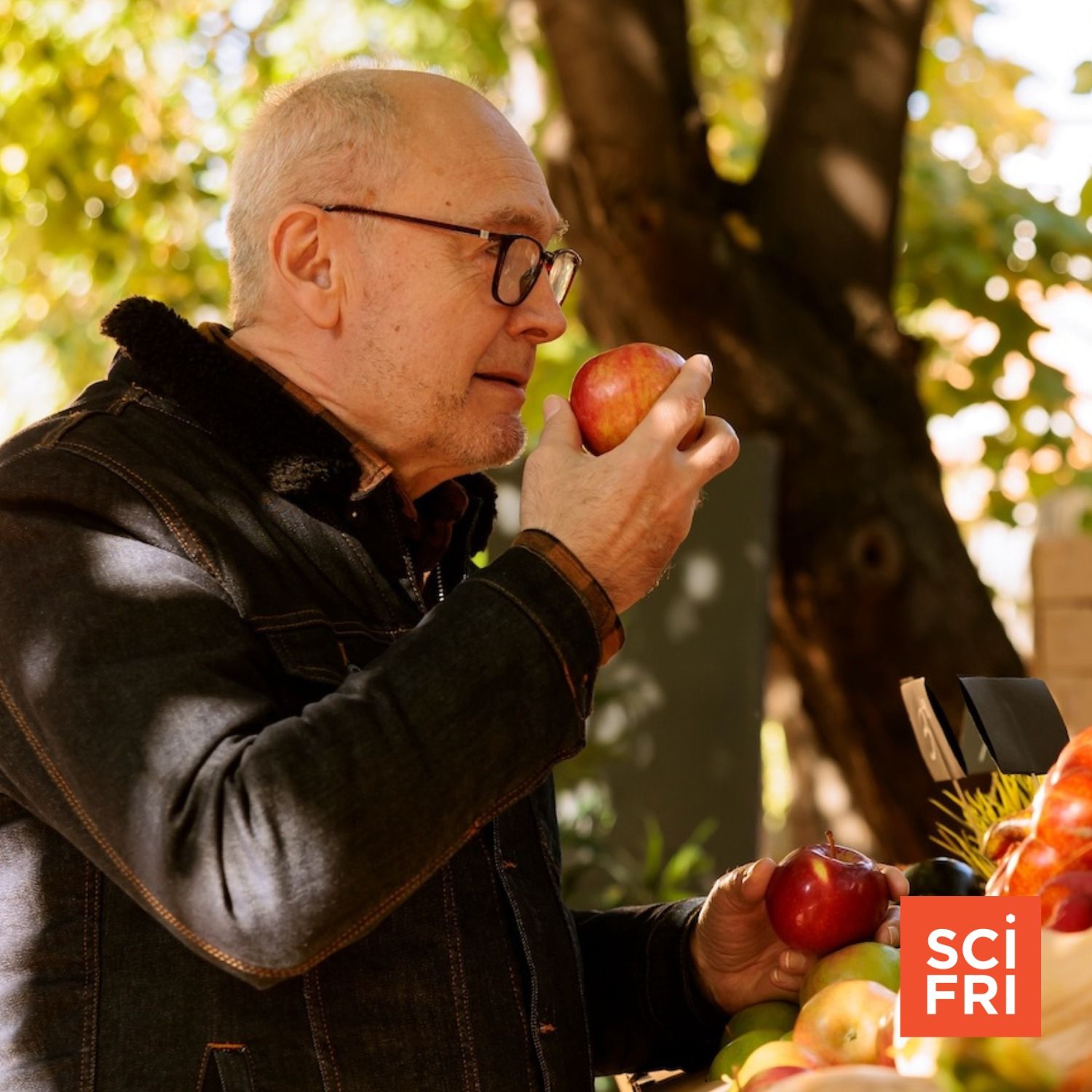
- Hyposmia (reduced sense of smell): Commonly appears years before motor symptoms. Smell tests (scratch‑and‑sniff style) are validated and can be mailed to participants in research.
- REM sleep behavior disorder (RBD): Dream reenactment (yelling, thrashing during REM sleep), often noticed by bed partners; many with RBD later develop Parkinson’s but not all.
- Other non‑motor symptoms may include constipation, changes in mood or cognition, and autonomic signs — reflecting Parkinson’s as a whole‑body disorder (gut, skin, salivary glands, peripheral nerves).
Causes, hypotheses, and environmental risks
- Protein pathology: Alpha‑synuclein misfolding/clumping is central in many cases, but its role as primary cause vs. marker remains uncertain.
- Two proposed entry routes: “Nose/brain‑first” (olfactory pathway) and “gut‑first” (enteric nervous system → vagus nerve). Misfolded protein aggregates have been found in both sites.
- Genetics: A minority of cases are explained by single‑gene mutations; most cases are sporadic and multifactorial.
- Environmental associations:
- Pesticides (e.g., paraquat) have strong epidemiological links.
- Trichloroethylene (TCE), a degreaser used in dry cleaning and industry, linked to higher risk via contamination of water and vapors.
- Air pollution is increasingly implicated.
- Policy implications: If associations are causal, regulatory changes and exposure reduction could prevent some cases — but more causal research and public health action are needed.
Biomarkers and research efforts (PPMI and others)
- PPMI (Parkinson’s Progression Marker Initiative): a large, longitudinal observational study started in 2010 to:
- Identify early markers and better detect Parkinson’s before motor symptoms.
- Validate biomarkers to accelerate trials and track disease progression.
- Use clinical assessments, dopamine transporter imaging, CSF sampling, smell testing, and other measures.
- Biomarker progress:
- Alpha‑synuclein seeding amplification assay in spinal fluid shows promise but lumbar puncture is invasive.
- Current goal: validate reliable, noninvasive biomarkers in blood, tear fluid, skin biopsies, or imaging to enable earlier, easier diagnosis and biological staging.
- Biological staging: Researchers are moving toward staging Parkinson’s based on biomarker profiles (not just clinical motor stages) to enable precision trials and therapies.
Current management, prevention, and practical advice
- No proven disease‑modifying treatment yet. Standard symptomatic therapies for motor signs exist (not detailed in this interview).
- Strong evidence supports lifestyle measures:
- Regular exercise (emphasized as a powerful, guideline‑recommended intervention).
- Good sleep hygiene.
- Healthy diet and general health optimization.
- Practical exposure‑reduction tips suggested by experts:
- Use water filtration (e.g., carbon filter) where appropriate.
- Consider air purifiers in areas with poor air quality.
- Wash produce to reduce pesticide residue.
- Reduce occupational exposures where possible (e.g., avoid or limit contact with industrial solvents like TCE).
- Counseling point: Smell loss alone does not equal Parkinson’s. It’s a risk factor/marker for study inclusion, not a definitive diagnosis.
Notable quotes
- Michael Okun: “We have to be careful of the enticing idea that it’s all these protein clumps, that they’re the cause of everything… this is just a signal and a very important signal.”
- Michael Okun: “Exercise is like a drug.” (Emphasizing exercise as a powerful, recommended intervention.)
- Emily Taman‑Donfar: Research is moving toward “biological staging” — combining biomarkers to personalize diagnosis, trials, and treatment.
Action items / what listeners might do
- If concerned about early signs:
- Discuss symptoms (smell loss, RBD, constipation, sleep changes) with your primary care doctor or neurologist.
- Know that smell loss alone is not diagnostic; clinical evaluation and possible specialist referral are appropriate.
- Consider participation in research (e.g., PPMI) if eligible — contributes to earlier detection and biomarker validation.
- Adopt or maintain preventive health behaviors: consistent exercise, good sleep, healthy diet.
- Reduce environmental exposures where feasible: wash produce, consider filters/purifiers, and limit contact with known industrial chemicals.
- Share patient stories and engage with community organizations (Parkinson’s Foundation etc.) — experts stress storytelling and community as important to progress.
Guests and production
- Guests: Dr. Emily Taman‑Donfar (Keck/USC), Dr. Michael Okun (University of Florida Health; Parkinson’s Foundation).
- Producer: Annette Heist.
- Host: Flora Lichtman (Science Friday).
This episode emphasizes balanced optimism: significant progress in identifying biomarkers and environmental links, but important unknowns remain about causation, disease heterogeneity, and definitive disease‑modifying therapies.