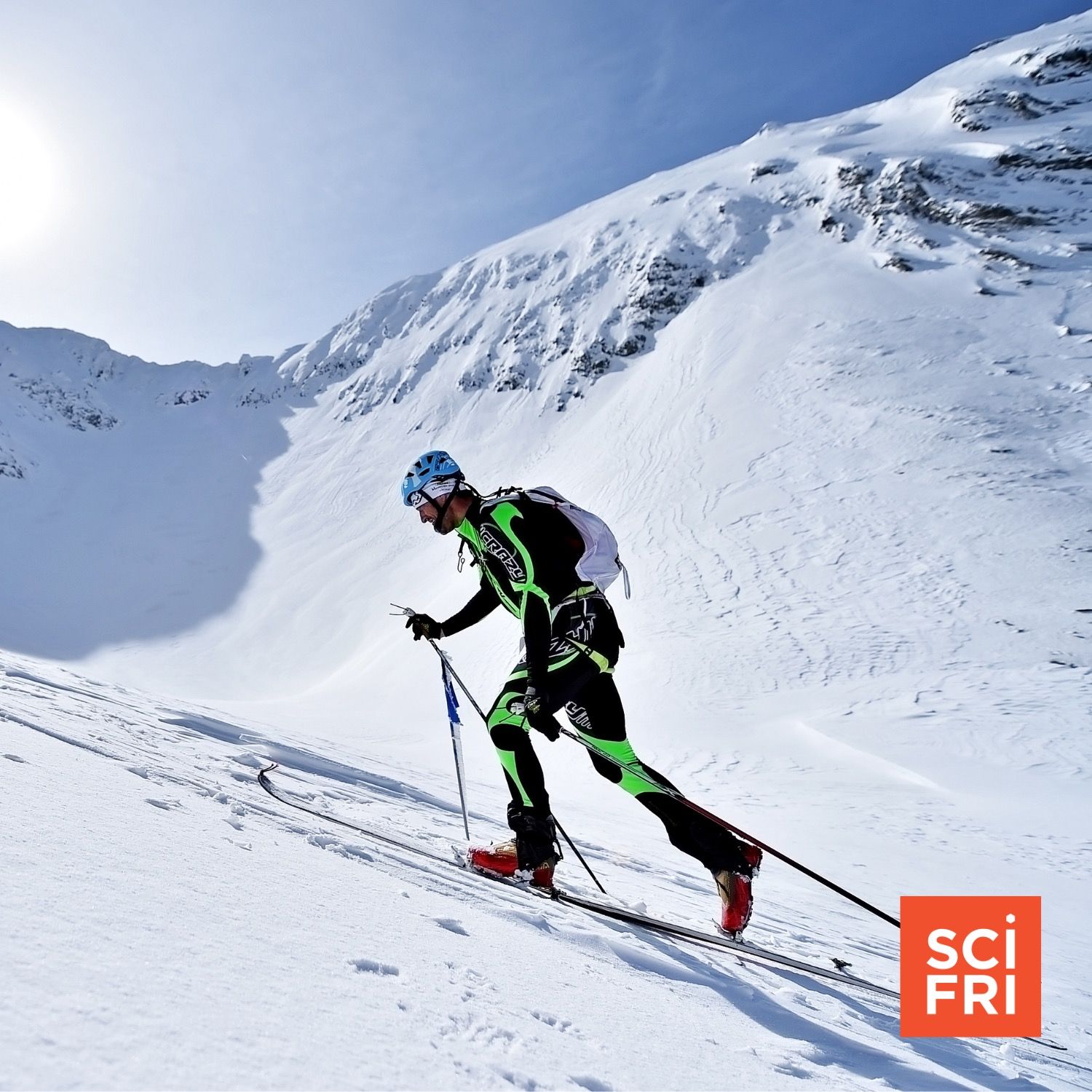
Overview of Olympic Ski Mountaineering, And Mountain Goat Climbing Feats
This Science Friday episode (host Flora Lichtman) covers two mountain-themed stories: the Olympic debut of ski mountaineering (SkiMo) and a deep-dive into the biology and risks faced by mountain goats. Guests are Dr. Peter Hansen (historian of mountaineering, Worcester Polytechnic Institute) who explains SkiMo and the cultural/scientific history of mountaineering, and Dr. Kevin White (wildlife ecologist, University of Alaska Southeast) who describes mountain goat anatomy, behavior, and threats—including surprising findings about avalanche mortality.
Ski Mountaineering (SkiMo) — what it is and why it matters
- What SkiMo is
- Combines uphill travel on skis (using “skins” for traction), boot/rope scrambling or sprinting on steep snow, and skiing downhill through set gates.
- Races include short sprints (~3 minutes) and longer mixed relays (laps that can total ~30 minutes or more).
- Demands endurance, agility, coordination, strength and technical transitions (skins on/off, rapid boot-packing).
- Olympic context
- Ski mountaineering is a new Olympic event at the 2026 Winter Games in Milan.
- The mixed relay is expected to draw interest because of its strategic, endurance and head-to-head elements.
- Why it’s compelling
- SkiMo “earns” descent rather than using lifts—athletes ascend under their own power.
- It merges endurance mountain travel traditions with competitive alpine sport.
Mountaineering: short history and cultural shifts (Peter Hansen)
- Origins
- Mountaineering as an organized pursuit begins in the 18th century with scientific curiosity (measuring elevation, testing human endurance at altitude).
- Early ascents (e.g., Mont Blanc) were motivated by naturalists and “natural philosophers” collecting observations across disciplines.
- 19th–20th century shifts
- By the mid/late 19th century and into the 20th century, flag-planting and imperial prestige became important motivations (e.g., Everest expeditions).
- Modern perspectives
- Contemporary climbers often frame climbs as witnessing and documenting environmental change rather than dominating nature.
- The “man vs. mountain” narrative is increasingly complicated by climate change and a conservation ethic.
- Contrast with recreational skiing
- Recreational winter sports often emphasize lift-served speed and individual thrill; SkiMo reconnects ascent and descent in a more classical mountain-travel ethic.
Mountain goats — biology, adaptations, and threats (Dr. Kevin White)
- Physical description and adaptations
- Size: males up to ~350 lb; females ~200 lb.
- Thick white woolly coat (8–10 in) for insulation and camouflage.
- Hooves: hard keratinous outer sheath with a soft, dog-like pad—allows digging into cracks and gripping wet/slabby surfaces.
- Body plan: narrow, strong shoulders, exceptional balance and leaping ability—well suited to narrow ledges and steep terrain.
- Kids: born in mid-May, initially sheltered then rapidly gain coordination and playfully hone balance skills.
- Predation and why cliffs matter
- Steep, rugged terrain is a refuge from predators (wolves, bears), which partly explains their cliff-dwelling adaptations.
- Major mortality sources
- Avalanches: recent studies show avalanches account for ~35% of mountain goat deaths; in bad years >20% of a population can die from avalanches.
- Malnutrition/severe winter conditions are also significant mortality causes.
- Disease plays a relatively minor role in the populations discussed.
- Climate change and avalanches
- Climate-driven changes can alter avalanche risk in complex ways: both heavy snowfall storms and warming events (rain-on-snow then freeze) can destabilize snowpacks.
- Predicting future avalanche frequency/impacts requires more study; changes will vary by region and conditions.
- Memorable field anecdote
- A radio-collared female died in winter; a black bear scavenged the carcass, loosened the collar, and wore it while traveling (including crossing glaciers). The collar remained on the bear for ~1.5 years and was later recovered—an unusual and striking story of animal curiosity and unexpected field data.
Notable insights & memorable lines
- SkiMo bridges two traditions: uphill mountaineering and downhill alpine skiing—“Ski mountaineers earn it.”
- Early mountaineering was driven by scientific curiosity as much as conquest; Horace-Bénédict de Saussure and early naturalists used ascents to collect multisensory and instrument-based data.
- Modern climbers are increasingly positioned as witnesses to environmental change rather than conquerors of nature.
- Mountain goats demonstrate form-function design: hoof anatomy + body shape + balance collectively enable remarkable cliff locomotion.
- Avalanches are a major, sometimes underappreciated mortality driver for cliff-dwelling ungulates.
Key takeaways and recommended actions
- If you’re planning to watch the Winter Olympics:
- Watch Sprint events for fast, intense head-to-head action.
- Watch the mixed relay for strategy, endurance and Olympic debut storylines.
- For mountain-goers and conservation-minded listeners:
- Recognize how climate variability can change both human mountain sports and wildlife risk profiles (avalanches, food availability).
- Respect wildlife in alpine areas—don’t approach or disturb goats; they use cliffs to avoid predators and disturbance can alter behavior or habitat use.
- For further interest:
- Read Peter Hansen’s The Summits of Modern Man for a deeper history of mountaineering.
- Follow research by wildlife ecologists like Dr. Kevin White for ongoing findings on mountain goat ecology and avalanche impacts.
Episode credits & guests
- Host: Flora Lichtman (Science Friday, WNYC Studios)
- Guests:
- Dr. Peter Hansen — Professor of History, Worcester Polytechnic Institute; author of The Summits of Modern Man.
- Dr. Kevin White — Wildlife ecologist, University of Alaska Southeast (based in Haines, Alaska).
- Produced by Charles Berquist and Flora Lichtman.