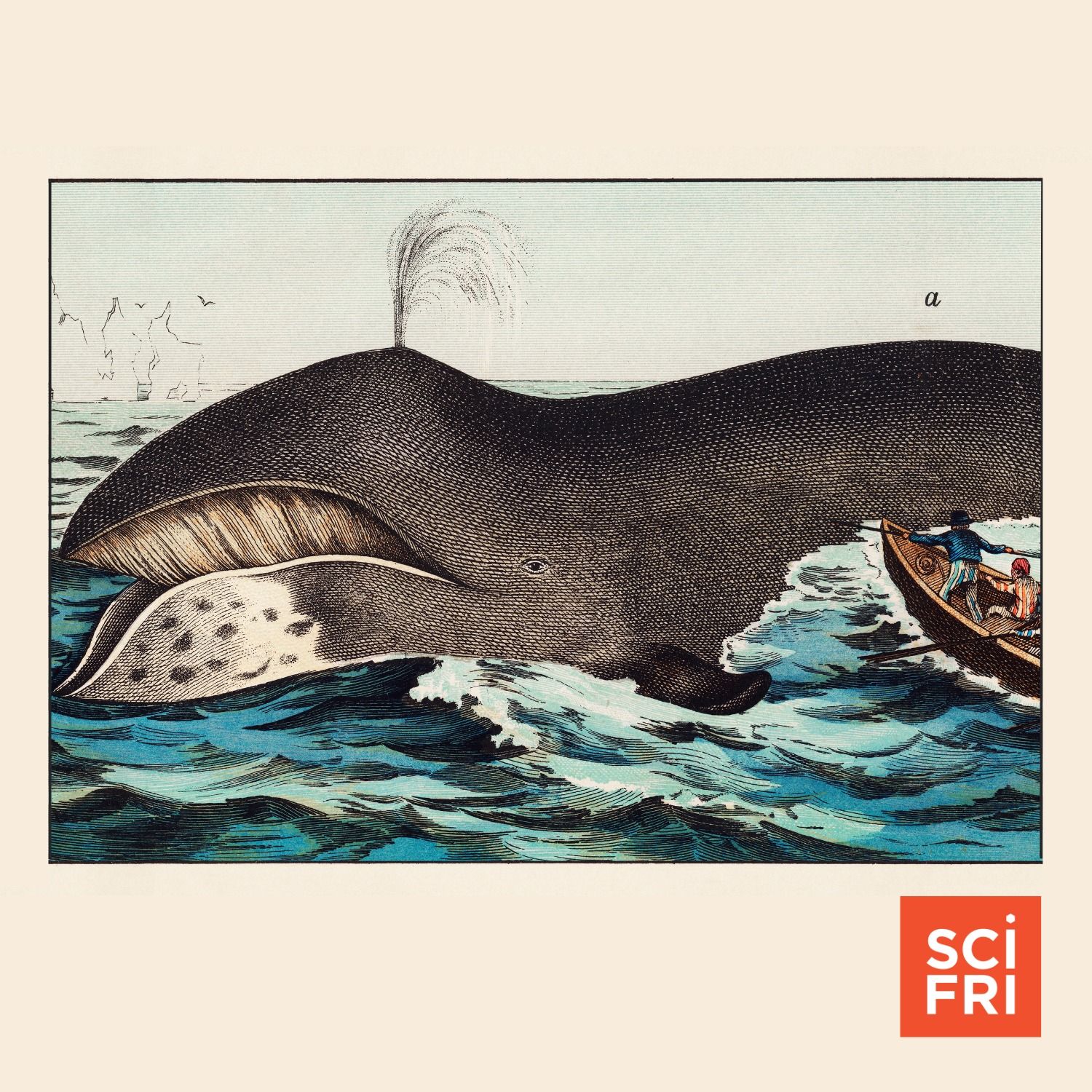
Overview of Science Friday — "Can Animal Super-Agers Teach Us Their Secrets?"
This episode of Science Friday (host Flora Lichtman) explores how exceptionally long‑lived animals — “super‑agers” such as certain bats, bowhead whales, naked mole rats, and elephants — resist aging, cancer, and other age‑related diseases. Guests Dr. Vera Gorbunova (University of Rochester) and Dr. Juan Manuel Vázquez (Penn State) summarize discoveries about the cellular and molecular mechanisms these species evolved, and discuss how those mechanisms might be translated into therapies or preventive strategies for humans.
Key takeaways
- Several animal species live far longer than expected for their body size (e.g., Brandt’s bat lived 42 years in the wild; bowhead whales >200 years).
- Different long‑lived species evolved distinct anti‑aging and anti‑cancer strategies; there is no single universal solution.
- Two broad strategies emerge:
- Enhanced genome maintenance and DNA repair (bowhead whales, bats, long‑lived rodents).
- Efficient removal of damaged cells (elephants), or other unique adaptations (naked mole rats’ high‑molecular‑weight hyaluronan).
- Specific molecular leads discussed: CIRBP (cold‑inducible RNA‑binding protein) in bowhead whales; SIRT6 in long‑lived rodents; hyaluronic acid mechanisms in naked mole rats.
- Some interventions based on these findings have shown promise in mice, and early clinical translation (e.g., a SIRT6‑activating compound derived from brown seaweed—fucoidan) is underway.
Who’s on the show
- Host: Flora Lichtman (Science Friday)
- Guests:
- Dr. Vera Gorbunova — Professor, University of Rochester; co‑director of the Rochester Aging Research Center.
- Dr. Juan Manuel Vázquez — Assistant Professor, Pennsylvania State University; studies longevity evolution in bats.
What “aging” means biologically (short summary)
- Aging is multi‑factorial: accumulation of DNA mutations, protein and lipid damage, loss of chromatin organization, and activation of normally silent genomic elements (transposable elements).
- Loss of chromatin organization can alter gene expression and cellular function.
- Different species mitigate these problems via distinct molecular adaptations.
Species highlights and mechanisms
Bats
- Many bat species live much longer than predicted by their small body size despite very high metabolic rates during flight.
- Mechanisms:
- Improved DNA repair capacity compared with similarly sized rodents (e.g., mice).
- Enhanced ability to remove damaged cells (an “elephant‑like” purge mechanism) in addition to maintenance, giving bats a dual strategy.
- Scientific interest: bats remain active and cognitively capable late in life (Brandt’s bat example).
Bowhead whales
- Bowhead whales can live >200 years with very low documented cancer incidence.
- Mechanism discovered: very high levels of CIRBP (cold‑inducible RNA‑binding protein), which appears to promote efficient DNA repair and reduce mutation accumulation.
- Functional test: increasing CIRBP in human cells improved double‑strand DNA break repair roughly twofold in lab experiments, suggesting possible translational potential.
Elephants (context)
- Elephants address cancer risk differently: they have amplified tumor surveillance pathways (e.g., extra copies of p53-related mechanisms) that trigger elimination of damaged cells, reducing cancer incidence.
- This contrasts with whales’ emphasis on maintenance (preventing damage accumulation).
Naked mole rats
- Resist cancer via a unique adaptation: they produce large amounts of high‑molecular‑weight hyaluronan (HA) linked to their subterranean lifestyle.
- HA contributes to cancer resistance; researchers have identified small molecules that slow HA breakdown and reduced tumor spread in mice in preclinical experiments.
Long‑lived rodents and SIRT6
- Comparative work across rodents found SIRT6 (a genome maintenance protein) is more active or better regulated in longer‑lived species.
- Fucoidan (a compound from brown seaweed commonly eaten in East Asia) was identified as a SIRT6 activator in preclinical studies; giving fucoidan to old mice improved genome stability and extended lifespan in those experiments.
- Early clinical trials have been initiated to test safety/efficacy in humans.
Translation to human therapies: approaches and current status
- Potential modalities:
- Small molecules that modulate endogenous human proteins (e.g., SIRT6 activators like fucoidan derivatives).
- Gene therapy or protein‑delivery approaches (conceptually possible but more complex).
- Drug repurposing using computational/AI methods to find FDA‑approved compounds that shift human gene networks toward protective states seen in super‑agers.
- Status:
- Preclinical success in mice for small‑molecule approaches (hylauronan modulators, SIRT6 activators).
- Early‑stage clinical trials reported for a SIRT6‑activating approach derived from brown seaweed (fucoidan).
- Cautions:
- Different species evolved different adaptations; what works in one animal may not translate directly to humans.
- Long‑term safety, dosing, and unintended effects (e.g., excessive cell elimination depleting stem cells) need careful evaluation.
Notable insights and quotes
- “It would be like an Olympic athlete…living an insanely long time.” — description used to contrast bats’ high activity with long lifespan.
- Peto’s paradox: larger bodies should statistically have higher cancer risk, yet whales and elephants are less cancer‑prone than predicted, implying evolved protective mechanisms.
- Two conceptual strategies: “maintenance” (prevent damage accumulation — whales) vs. “surveillance and elimination” (remove damaged cells — elephants).
Practical implications and next steps for readers
- This research points toward preventive strategies (not just treatments) for age‑related diseases, focusing on improving genome maintenance and cellular resilience.
- If interested in following developments:
- Track publications from the Rochester Aging Research Center and Juan Manuel Vázquez’s lab.
- Monitor clinicaltrials.gov for studies on SIRT6 activators or hyaluronan‑modulating drugs.
- Look for peer‑reviewed papers on CIRBP, SIRT6, fucoidan, and high‑molecular‑weight hyaluronan in aging and cancer prevention.
Final takeaway
Evolution has produced multiple, distinct biological solutions to living long and staying healthy. Studying those solutions—across bats, whales, elephants, naked mole rats, and long‑lived rodents—yields concrete molecular targets (e.g., CIRBP, SIRT6, hyaluronan pathways) that have shown promise in lab and animal studies and are beginning to move toward human testing. The goal is not immortality, but translating evolutionary insights into ways to reduce age‑related disease and extend healthy, productive lifespans.