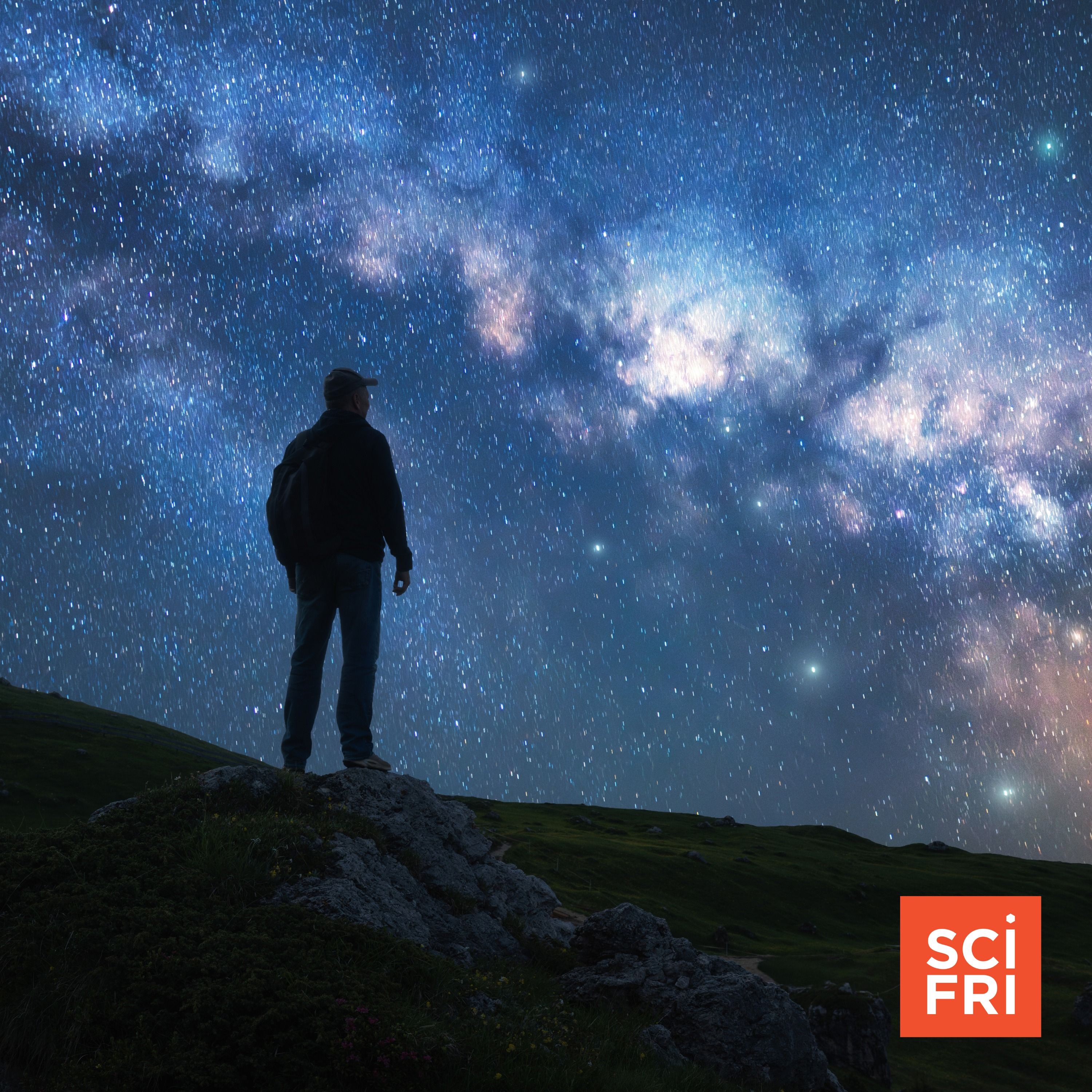
Overview of Reconnecting with the Night Sky and Reining in Light Pollution
This Science Friday episode explores the growing problem of light pollution and its impact on our ability to see the night sky. Host Ira Flatow speaks with writer Craig Childs about his bike journey out of Las Vegas into the Mojave Desert, where he tracked the gradual transition from bright urban skyglow to truly dark skies. The conversation then broadens with astronomer John Barentine to cover the science, environmental consequences, and possible solutions to artificial light at night.
Key Topics Discussed
Craig Childs’ journey into darkness
- Childs biked from the Las Vegas Strip into the Mojave Desert, using the Bortle scale to measure sky brightness.
- He wanted to experience the transition from a light-polluted sky to a dark one over multiple nights.
- The bike pace let him witness the sky changing gradually, rather than arriving too quickly by car.
Why dark skies matter
- Childs describes the night sky as a core part of human experience, not just a scenic bonus.
- He argues that the shift into darkness changes not only what we see, but how we perceive time, space, and ourselves.
- He emphasizes that human bodies evolved around natural light-dark cycles, and modern artificial lighting can disrupt that rhythm.
The state of light pollution today
- John Barentine explains that light pollution remains widespread and is getting worse in many places.
- He notes that:
- France and Mexico have treated light pollution as an environmental issue in law.
- More than 80% of the world’s population lives under light-polluted skies.
- In the U.S. and Europe, that figure is even higher.
Concerns about future sky glow
- Barentine discusses the possibility of orbiting data centers with large solar arrays.
- The concern is that if these become widespread, they could create a dramatic increase in visible sky brightness.
- He also warns about the risks of space debris and overcrowding in orbit.
LED lighting: part of the problem, part of the solution
- LEDs are efficient and useful, but they’re often overused because they’re cheap and convenient.
- Barentine says LEDs could help solve light pollution if used properly, but current habits often create too much light, in the wrong directions, for too long.
Effects on wildlife and birds
- The episode mentions community efforts to turn off lights during bird migration.
- These temporary light reductions help migratory birds, but the guests suggest the issue is broader than just migration seasons.
- Reducing unnecessary lighting could benefit many other species as well.
Dark sky tourism and conservation
- Dark Sky International has certified many dark-sky locations worldwide, including parks, reserves, and communities.
- Barentine says these areas are starting to support tourism economies and are increasingly embraced by conservation professionals.
- Craig Childs lives in a dark-sky community in western Colorado and sees the benefits firsthand.
Main Takeaways
- Light pollution is an environmental problem, not just an aesthetic one.
- Dark-sky preservation is possible through policy, design, and public awareness.
- Small changes at home matter, like shielding outdoor lights and preventing light from spilling upward or into windows.
- The experience of darkness matters too: both for human well-being and for reconnecting with the natural world.
- Dark sky tourism and conservation efforts are growing, suggesting more people are beginning to value the night.
Practical Suggestions Mentioned
For individuals
- Use outdoor lights that shine downward rather than upward.
- Reduce light spilling through windows.
- Turn off unnecessary lights at night.
- Pay attention to how much lighting you actually need.
For communities and policymakers
- Treat light pollution as a form of environmental pollution.
- Support dark-sky protections in planning and land management.
- Encourage lighting practices that protect wildlife and preserve night visibility.
Notable Insight
“It’s not just about artificial light, but also about your own perception and your own readiness to look up and watch the sky.”
This episode’s central message is that restoring darkness is not only about seeing stars again—it’s about protecting ecosystems, improving human health, and recovering a more natural relationship with night.