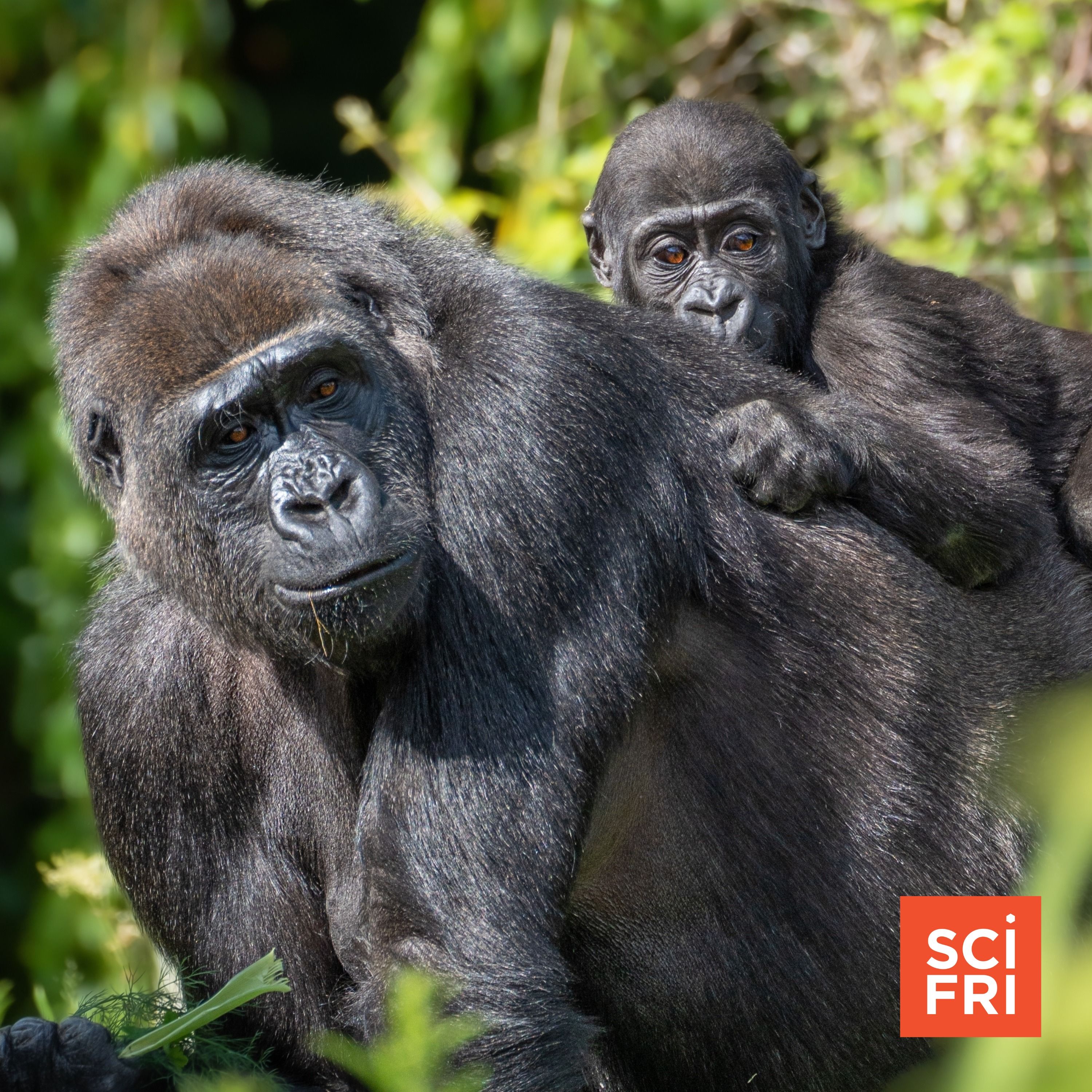
Overview of Science Friday: Parenting Tips from the Animal Kingdom
In this Science Friday segment, host Flora Lichtman talks with science journalist and author Elizabeth Preston about what animal parenting can teach humans. Drawing from Preston’s book The Creature’s Guide to Caring, the conversation explores how many species raise young cooperatively, how “hard” parenting often looks effortless from the outside, and why some familiar human parenting struggles—bedtime battles, snack demands, clinginess, and emotional meltdowns—have surprising parallels in the animal kingdom.
Key Takeaways
-
Animal parenting is often far more demanding than it looks.
Many species appear to have “easy” instincts, but in reality, caregiving can be exhausting and resource-intensive. -
Humans evolved to parent cooperatively.
Preston emphasizes that our ancestors likely did not raise children in isolated nuclear families. Instead, care often came from a wider “village” of:- parents
- older siblings
- grandparents
- aunts and uncles
- neighbors and friends
-
A lot of human child behavior is evolutionarily sensible.
Things like constant attention-seeking, babbling, and bedtime resistance can be understood as adaptations for survival in a cooperative-care system. -
Some animal parenting strategies are extreme.
The episode highlights examples where offspring literally consume parental resources—or even the parent’s body.
Animal Parenting Examples Discussed
Cooperative care and bedtime
- Gorillas were used as a parallel for children wanting closeness at night.
- Older gorillas, including silverbacks, can be tolerant of juveniles and may even let them sleep nearby.
- This mirrors human tendencies toward co-sleeping or bedtime “pop-outs.”
Babys, babbling, and attention-seeking
- Human infants likely evolved loud cries and babbling to get attention from multiple caregivers, since they may be passed around frequently.
- Marmosets and tamarins were cited as the only other primates known for babbling, possibly for similar social reasons: being engaging and appealing to caregivers.
Grandmothers and menopause
- Humans are unusual because women often live long after fertility ends.
- Preston connects this to the evolutionary role of grandmothers helping children and grandchildren survive.
- The only other species noted with menopause-like aging patterns are certain whales, especially killer whales, where older females lead and support family groups.
Snack requests and “hunger signals”
- Poison frogs were a standout example:
- fathers carry tadpoles to safe pools of water
- tadpoles may signal hunger by vibrating
- mothers may then inspect the situation and decide whether to feed them with an unfertilized egg
- This was used as an analogy for children constantly asking for snacks and adults setting limits.
Sibling rivalry and “insurance eggs”
- Some birds, like the blue-footed booby, lay an “insurance egg” when resources might be uncertain.
- The older chick may outcompete the younger one, sometimes leading to the younger dying if food is scarce.
- Preston presented this as a parenting strategy humans probably should not emulate.
Human Parenting Lessons from the Animal Kingdom
1. Ask for help
Preston says her biggest takeaway from researching animal care is that humans are not meant to do everything alone. The book reinforced the idea that relying on family and community is normal, not a failure.
2. Children’s behavior often has a purpose
What looks like whining, noise, or clinginess may be a child’s way of:
- securing food
- staying safe
- maintaining connection
- practicing social skills
3. “Supermom” culture is not very natural
Preston pushes back against the idea that one parent—usually the mother—should do everything. Human evolution favors shared caregiving, not heroic isolation.
Notable Moments and Insights
- “Humans are not alone” in struggling with bedtime.
- Babies need to be charming because they depend on adults who are not always their primary parent.
- Cooperative breeding may help explain why human children are so social and interactive.
- Preston admits that, even after researching the book, she still finds it hard to fully embrace asking for help—despite knowing it’s more natural for humans.
Bottom Line
This episode reframes common parenting frustrations through an evolutionary lens. The main message: humans are cooperative caregivers by nature, and many child behaviors that feel exhausting or irrational are actually deeply rooted in our species’ survival strategies. The animal kingdom offers both comic relief and a reminder that parenting has always been hard—but it was never meant to be done alone.