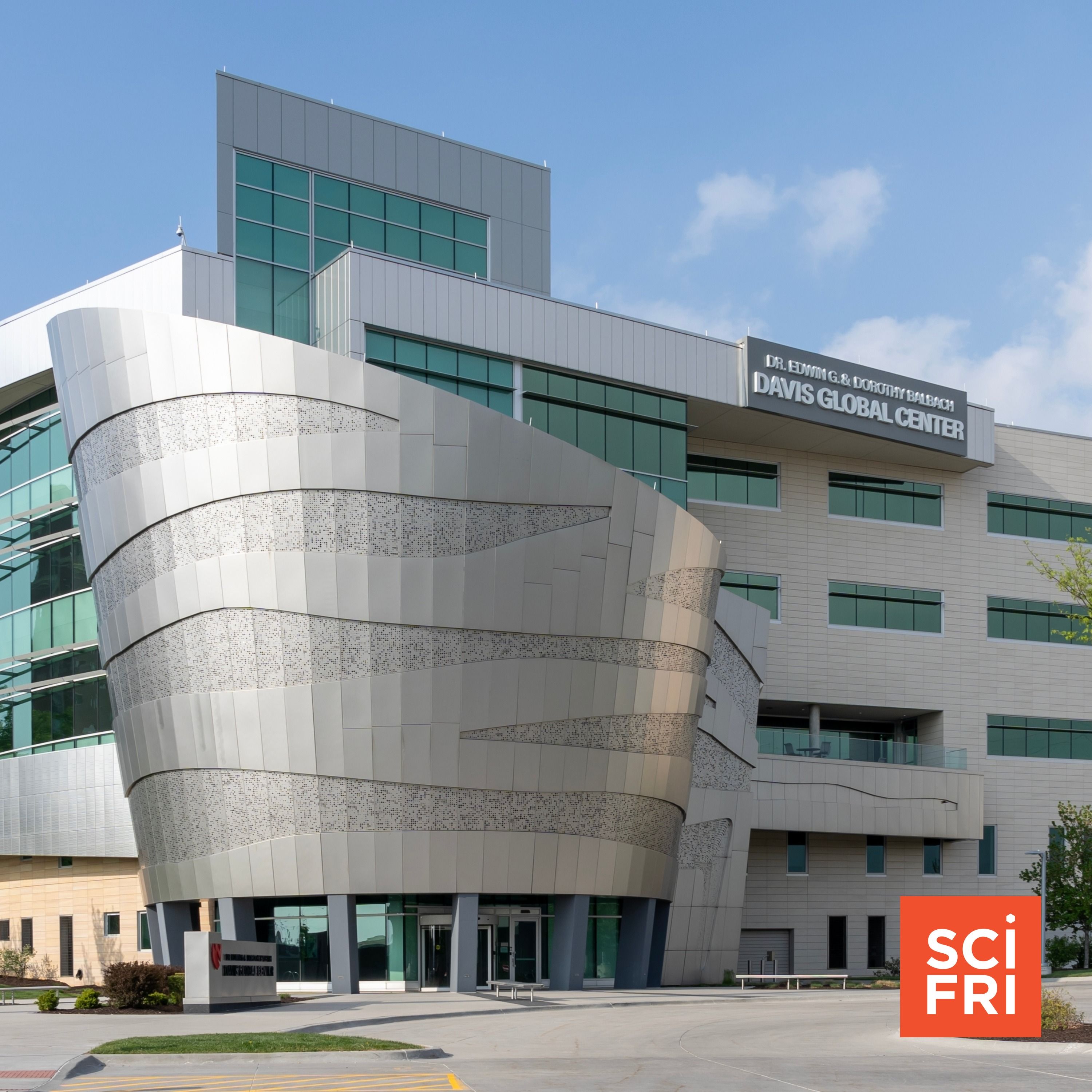
Overview of Inside the Nebraska quarantine facility responding to hantavirus
This Science Friday segment goes behind the scenes at the National Quarantine Unit in Omaha, Nebraska, where 18 Americans exposed to hantavirus are being monitored. Host Flora Lichtman speaks with Angie Vasha of Nebraska Medicine about how the facility works, what quarantine life is like for travelers, and how the team prepares for other high-risk threats like Ebola. The conversation highlights the unit’s hybrid hotel-hospital design, its strict containment protocols, and the extensive preparedness infrastructure behind U.S. response to dangerous infectious diseases.
What the Nebraska Quarantine Unit Is
A specialized facility for exposure monitoring
- The National Quarantine Unit in Omaha is designed to house people who may have been exposed to serious infectious diseases.
- It can monitor individuals safely without sending them into the general community.
- If someone becomes ill, they can be transferred to a biocontainment unit in the hospital.
A mix of hotel comfort and hospital safety
- Each person has a private room with:
- natural light
- a bed and en suite bathroom
- exercise equipment
- enough space for daily living
- The rooms and hallway use negative pressure so potentially infectious particles do not escape.
- Flooring is sealed and easy to disinfect, reflecting hospital-level infection control.
Current Hantavirus Response
18 travelers under quarantine
- At the time of the interview, 18 individuals had been in quarantine since May 11.
- They were being monitored for symptoms over a proposed 42-day incubation period.
- All of them remained well during the interview.
Daily life inside quarantine
- Staff deliver meals, snacks, and personal items.
- Laundry is handled on-site.
- The team also focuses on mental and physical wellness because long quarantines can become isolating and stressful.
- The facility tries to keep guests active and supported throughout the stay.
How the Facility Handles Dangerous Waste
On-site sterilization
- The unit has an autoclave, which uses steam sterilization to inactivate hazardous waste.
- This is especially important for pathogens like Ebola and other viral hemorrhagic fevers, where contaminated waste cannot be sent into ordinary waste streams.
- After sterilization, waste is reclassified and sent for incineration to protect downstream workers.
Ebola Preparedness and National Response Capacity
Planning for Ebola-exposed Americans
- The interview touches on the U.S. government’s reported plan to send Ebola-exposed Americans to Kenya for monitoring rather than bringing them back to U.S. facilities.
- Vasha says such a strategy would require many moving parts and is still in early planning.
- She emphasizes that the U.S. has more capacity now than ever before to care for special pathogen cases.
National Special Pathogen System
- Nebraska’s quarantine unit is part of a broader system that includes:
- 13 regional special pathogen treatment centers
- coordinated emergency response networks
- If quarantined individuals become sick, they would be moved to one of these treatment centers for higher-level care.
Preparedness, Training, and Regional Coordination
Constant readiness
- The team must be able to activate the unit within 8 hours or less.
- More than 100 volunteers rotate through training every three months.
- The staff also works with hospitals and health departments across HHS Region 7:
- Nebraska
- Kansas
- Iowa
- Missouri
Broader event planning
- The team is also preparing for large-scale events like the World Cup in Kansas City, where infectious disease risks could arise.
- Their planning covers both natural outbreaks and intentional threats such as bioterrorism.
Why Angie Vasha Does This Work
A mission-driven career
- Vasha describes this work as deeply fulfilling and aligned with her desire to do high-stakes, specialized care.
- She credits Nebraska’s special pathogen program founder, Dr. Phil Smith, and the post-9/11 expansion of U.S. preparedness efforts.
- A major theme is the belief that no one in the U.S. should be denied proper care because of fear around a disease.
Community Response in Omaha
Strong local support
- Omaha residents and businesses have shown strong support for the quarantine unit.
- Examples include:
- sponsored meals
- care packages
- books and local artisan goods
- Omaha Steaks grilling lunches for guests and staff
Trust built over time
- The facility has spent years building relationships with the local community since opening in 2005.
- That trust helps counter national skepticism about why exposed individuals are brought to Nebraska.
- Vasha says the unit’s visible preparedness helps reassure the public that the facility can respond safely.
Key Takeaways
- Nebraska’s quarantine unit is a rare U.S. facility built specifically for managing dangerous pathogen exposures.
- The current hantavirus quarantine is being handled with strict monitoring, containment, and support for travelers’ physical and mental well-being.
- The facility is part of a much larger national network for responding to special pathogens and biothreats.
- Preparedness is ongoing, with regular training, regional coordination, and contingency planning for events ranging from outbreaks to bioterrorism.
- Community support in Omaha plays an important role in maintaining trust and morale during high-profile public health responses.