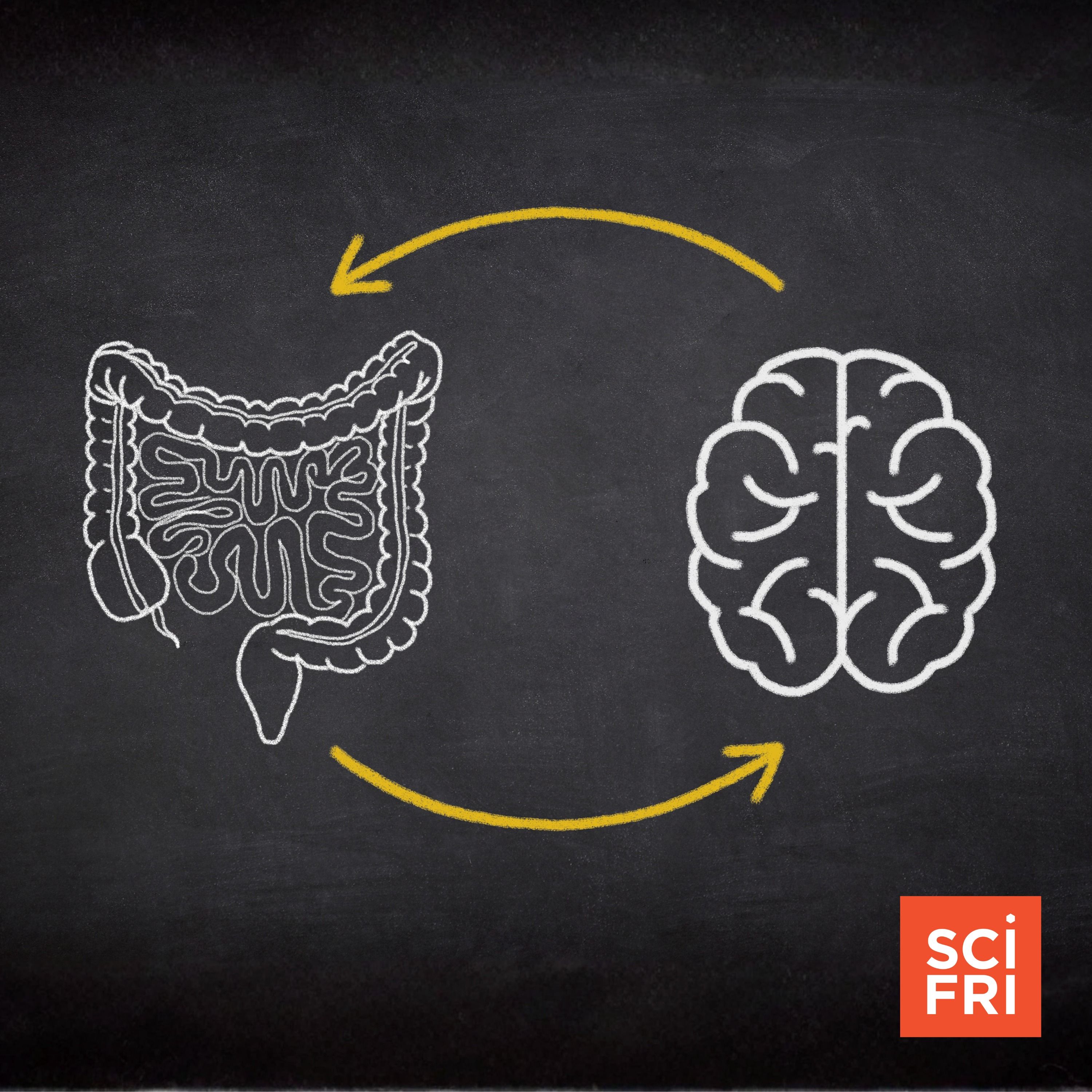
Overview of How does the gut-brain connection work?
This Science Friday conversation, recorded at Aspen Ideas Health, explores the gut-brain connection with gastroenterologist Dr. Emeran Mayer and neurogastroenterologist Dr. Trisha Pasricha. The discussion reframes the gut as far more than “plumbing”: it is a highly active nervous, hormonal, and microbial system that constantly communicates with the brain, shapes mood and digestion, and may even help explain diseases like Parkinson’s, IBS, depression, and obesity.
Core Ideas About the Gut-Brain System
The gut is more than digestion
- The “gut” is usually understood as the gastrointestinal tract, though people often use it broadly to include the stomach and the full digestive system.
- The speakers argue that the gut should be seen as a brain-like organ, not just a tube for moving food.
- The gut contains roughly 500 million nerve cells via the enteric nervous system.
The gut has its own “brain”
- The enteric nervous system can regulate:
- Motility
- Secretion
- Permeability
- This system can operate fairly autonomously, but it still communicates with the brain, especially under stress or threat.
- In evolutionary terms, the gut’s nervous system came first; the brain later evolved to coordinate higher-level survival functions.
Communication is bidirectional
- The main communication channels are:
- The vagus nerve
- Hormones and bloodstream signaling
- Immune and microbial signaling
- A major point: much of the signaling is bottom-up from the gut to the brain, not just the other way around.
- The speakers emphasize interoception—the brain’s ongoing processing of signals coming from inside the body.
Why the Gut Is So Popular Now
Social media and “gut health”
- “Gut health” has become a major online trend, especially on TikTok and Instagram.
- The guests suggest two reasons:
- Positive: younger people are more open about bodies, mental health, and digestive issues.
- Negative: patients often turn to influencers because they feel dismissed by medicine and wait too long for specialist care.
Medicine has been slow to define it
- Gastroenterology has traditionally focused on treating disease, not on defining or promoting “gut health.”
- The speakers say the field is now trying to “own” the concept more responsibly.
- A key concern is that many online claims around brain fog, leaky gut, supplements, and detoxes are far ahead of the evidence.
Parkinson’s Disease and the Gut
Why Parkinson’s may begin in the gut
- Dr. Pasricha explains that many people who later develop Parkinson’s report:
- Constipation
- Nausea
- Gastroparesis
- Other GI symptoms years or decades before tremor and motor symptoms.
- In at least some patients, Parkinson’s may begin with misfolded alpha-synuclein in the gut and then spread upward, possibly via the vagus nerve.
Important evidence
- Historical vagotomy data suggest that cutting the vagus nerve was associated with a lower risk of Parkinson’s, supporting the gut-to-brain link.
- The hope is that the gut could provide:
- Earlier biomarkers
- A longer window for intervention
- Better understanding of who is at risk and why
GLP-1 Drugs as a Gut-Brain Case Study
What GLP-1s show us
- Medications like Ozempic and Wegovy are highlighted as examples of gut-derived signals affecting the brain.
- GLP-1 is a hormone made in the gut that helps regulate:
- Satiety
- Digestion
- Brain signaling around hunger and reward
Why they’re exciting
- The speakers note that GLP-1 drugs may have benefits beyond weight loss, including possible associations with:
- Lower risk of stomach ulcers
- Lower risk of some cancers
- They are cautiously optimistic, but stress that the exact mechanisms are still not fully understood.
- Mayer raises a broader question: should medicine rely on ever-more powerful drugs, or should it address the root causes behind metabolic disease?
The Microbiome: What We Know and Don’t Know
A healthy microbiome
- There is broad agreement that a healthy microbiome is:
- Diverse
- Resilient
- Rich in microbes that produce beneficial metabolites
- Scientists are shifting from asking “who is there?” to “what are they doing?”
Helpful microbial products
- Particularly important are microbes that produce short-chain fatty acids like butyrate.
- These compounds appear to have:
- Anti-inflammatory effects
- Benefits for the gut
- Possible downstream benefits for the brain and other organs
Caution about commercial testing
- Pasricha compares the microbiome to a garden: removing one “weed” or adding one “seed” is too simplistic.
- Both guests warn that:
- Consumer microbiome tests are often overinterpreted
- Probiotics/prebiotics/postbiotics are heavily marketed
- The evidence for many supplements is still weak
Diet, Mental Health, and “Psychobiotics”
Diet matters more than single supplements
- Mayer argues that diet is a complex delivery system for thousands of molecules, not a single ingredient.
- He is skeptical of the idea that one probiotic or “psychobiotic” can treat depression or anxiety by itself.
Best-supported dietary pattern
- Both guests point to the Mediterranean diet as the strongest general dietary pattern linked to:
- Better gut health
- Lower inflammation
- Lower rates of depression
- Lower risk of neurodegenerative disease
Important exceptions
- In certain conditions, specialized diets can help:
- Ketogenic diet for refractory epilepsy in children
- Sometimes for advanced Alzheimer’s or select other cases
- But these are exceptions, not the rule.
Main Takeaways
- The gut is a major nervous and signaling organ, not just a digestive tube.
- The gut and brain communicate constantly and bidirectionally.
- Some diseases, especially Parkinson’s, may begin in the gut long before brain symptoms appear.
- GLP-1 drugs demonstrate how powerful gut-derived signals can be when harnessed therapeutically.
- The microbiome matters, but current consumer testing and supplement culture often outpace the science.
- The most evidence-based “gut health” advice still centers on whole-food, high-fiber, Mediterranean-style eating rather than trendy hacks.
Notable Perspective
“It’s not an axis, it’s a system.”
This was the central conceptual shift in the conversation: the gut-brain relationship is not a simple one-way line, but a complex interconnected system involving nerves, hormones, microbes, immunity, and behavior.