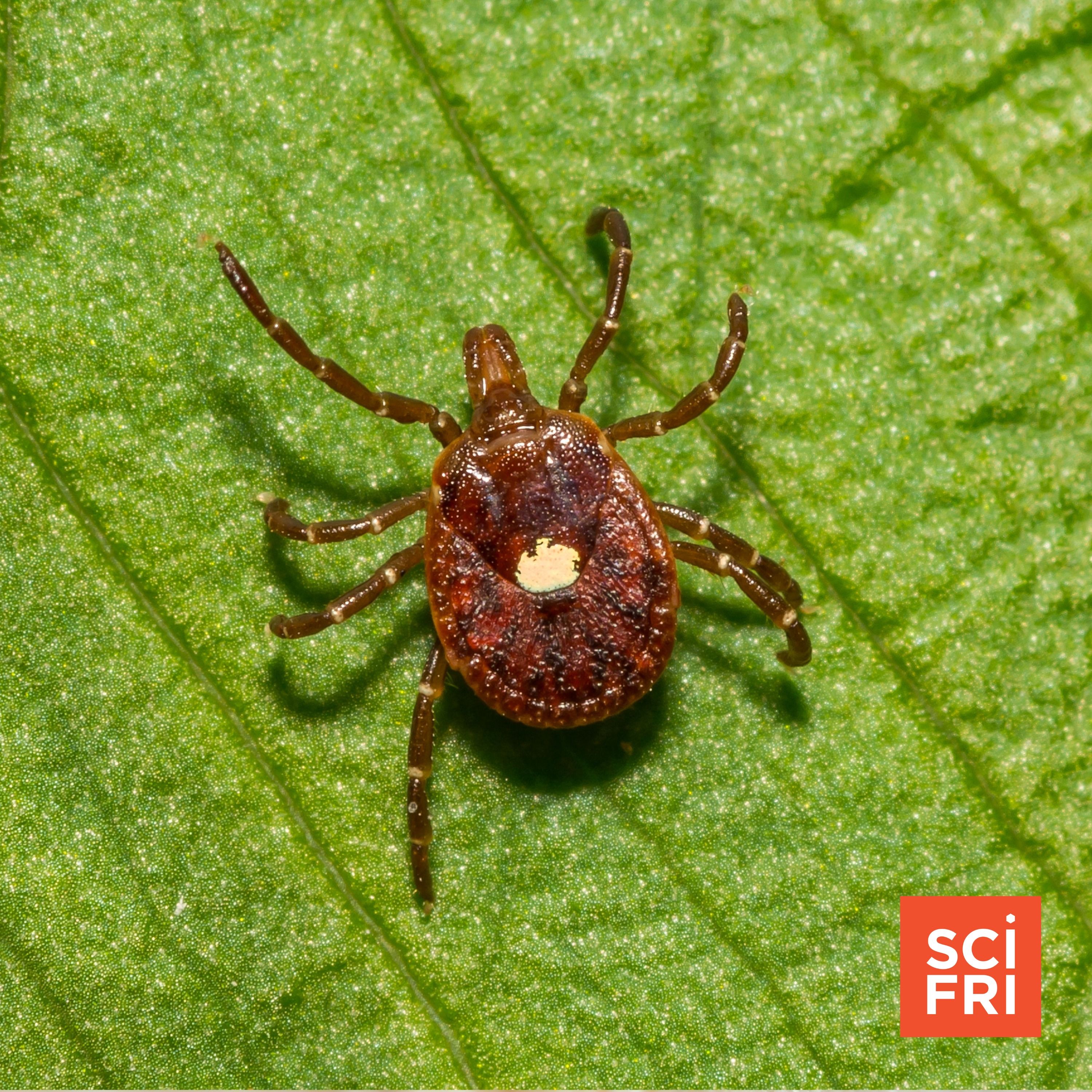
Overview of How does a tick bite cause a red meat allergy?
This Science Friday interview explores alpha-gal syndrome, a puzzling tick-borne allergy that can make people react to red meat, gelatin, and other mammal-derived products after a bite from a Lone Star tick or related ticks. Immunologist Dr. Scott Cummins explains what causes the allergy, why symptoms are delayed, who is at risk, and what treatments and prevention strategies are emerging.
What Alpha-Gal Syndrome Is
Alpha-gal syndrome (AGS) is an allergic condition triggered by antibodies against alpha-gal, a sugar molecule found in non-human mammals.
Common symptoms
- Itching, swelling, and hives
- Severe stomach pain, cramping, nausea, vomiting, and diarrhea
- In more serious cases, shortness of breath and anaphylaxis
Why it’s unusual
- The reaction is often associated with red meat, but can also involve:
- Cow-derived gelatin
- Other mammal-based ingredients or medications
- Even the smell of barbecue for some highly sensitive people
How a Tick Bite Triggers the Allergy
The core mystery is not the sugar itself, but how tick bites cause the immune system to treat it as dangerous.
Key mechanism
- Ticks appear to contain alpha-gal
- When they bite humans, tick saliva and other factors likely act as immune “danger signals”
- The bite occurs on the skin, which is a strong route for triggering allergic sensitization
- The immune system then creates IgE antibodies against alpha-gal
Important distinction
- Eating alpha-gal in food usually causes tolerance
- Being exposed through a tick bite can lead to allergy
Why the Reaction Is Delayed
Unlike peanut allergies, AGS reactions often happen hours after eating meat.
Explanation
- The allergy is likely tied to fat absorption
- Alpha-gal may be carried in glycolipids or fat-containing food components
- Fat takes longer to digest and absorb, so symptoms often appear later
- Reactions happen much faster if alpha-gal enters the bloodstream directly, as with certain medications like cetuximab
Who Is at Risk
The syndrome is spreading beyond its original geographic and clinical boundaries.
Geographic spread
- Initially linked to the southeastern U.S.
- Now seen across much of the East Coast
- Also present in parts of:
- The Midwest
- Oklahoma and Nebraska
- Great Lakes region
- Maine
- Hot spots include:
- Suffolk County, Long Island
- Martha’s Vineyard
Risk factors
Researchers think risk depends on both:
- Tick factors
- Species
- Life stage
- Sex of the tick
- Possibly the amount of alpha-gal in saliva
- Host factors
- Some people seem more likely to become sensitized
- Blood type may matter:
- Type B or AB appears to lower risk
- Type A or O may carry higher risk
- Some people may simply be more prone to tick bites
Blood test caveat
- A positive alpha-gal IgE blood test means sensitization, not always clinical allergy
- Many people with antibodies can still eat red meat without symptoms
- Blood tests should be used to confirm suspected cases, not as broad screening tools
Treatments and Management
Current treatment
- Xolair (omalizumab) is described as an on-label treatment for IgE-mediated food allergy, including alpha-gal syndrome
- It can reduce reactivity over time and help prevent reactions from small exposures or cross-contamination
Possible future therapies
- Oral immunotherapy (OIT) is being considered, but the right form of alpha-gal for safe daily exposure is still unclear
- Researchers are also exploring vaccines or venom-shot-like approaches that would target the tick-saliva trigger itself
- A promising future goal is an on-demand treatment that could be given after a tick bite to prevent the immune system from being “boosted” again
Prevention and Practical Advice
Best prevention strategy
- Avoid tick bites in the first place
- Dr. Cummins emphasizes that prevention can save people from years of illness
Prevention habits he uses himself
- Permethrin-treated clothing
- Tucking pants into socks
- Using physical barriers like tape when needed
Broader Impact on Patients
The diagnosis can be emotionally difficult, especially for adults who have eaten meat safely for years.
Why it hits hard
- It removes familiar foods from the diet
- It can complicate social life, since adult gatherings often center around meals
- It can carry a mental health burden beyond the physical symptoms
Main Takeaways
- Alpha-gal syndrome is a tick-triggered allergy to a sugar, not a protein
- The reaction is unusual because it is often delayed by hours
- A positive blood test does not always mean clinical allergy
- Risk depends on both tick exposure and individual susceptibility
- Xolair is currently a key treatment option
- Preventing tick bites remains the most effective strategy
- Researchers are working toward better treatments, vaccines, and possibly post-bite interventions