Overview of How did Neanderthals Deal with Illness and Injuries?
This Science Friday segment explores what archaeology and ancient microbiology reveal about how Neanderthals and early humans handled illness, injury, and pain. Archaeologist Dr. Penny Spikens and microbiologist Dr. Laura Wyrick explain that Neanderthals were far from the stereotypical “caveman” image: they appear to have cared for one another, used medicinal plants, and may even have performed primitive dental procedures like an early root canal.
Key Takeaways
-
Medical care may predate modern humans.
- Spikens notes that even chimpanzees show behaviors that resemble medicine, such as using leaves to treat wounds or help with parasites.
- This suggests the roots of caregiving could go back millions of years.
-
Early human ancestors likely depended on group care.
- A Homo specimen from about 1.7–1.8 million years ago appears to have survived severe illness only because others helped her.
- This points to caregiving as a major part of human evolution, not just a side behavior.
-
Neanderthals often survived serious injuries.
- Many Neanderthal skeletons show healed trauma, implying they were supported by others while recovering.
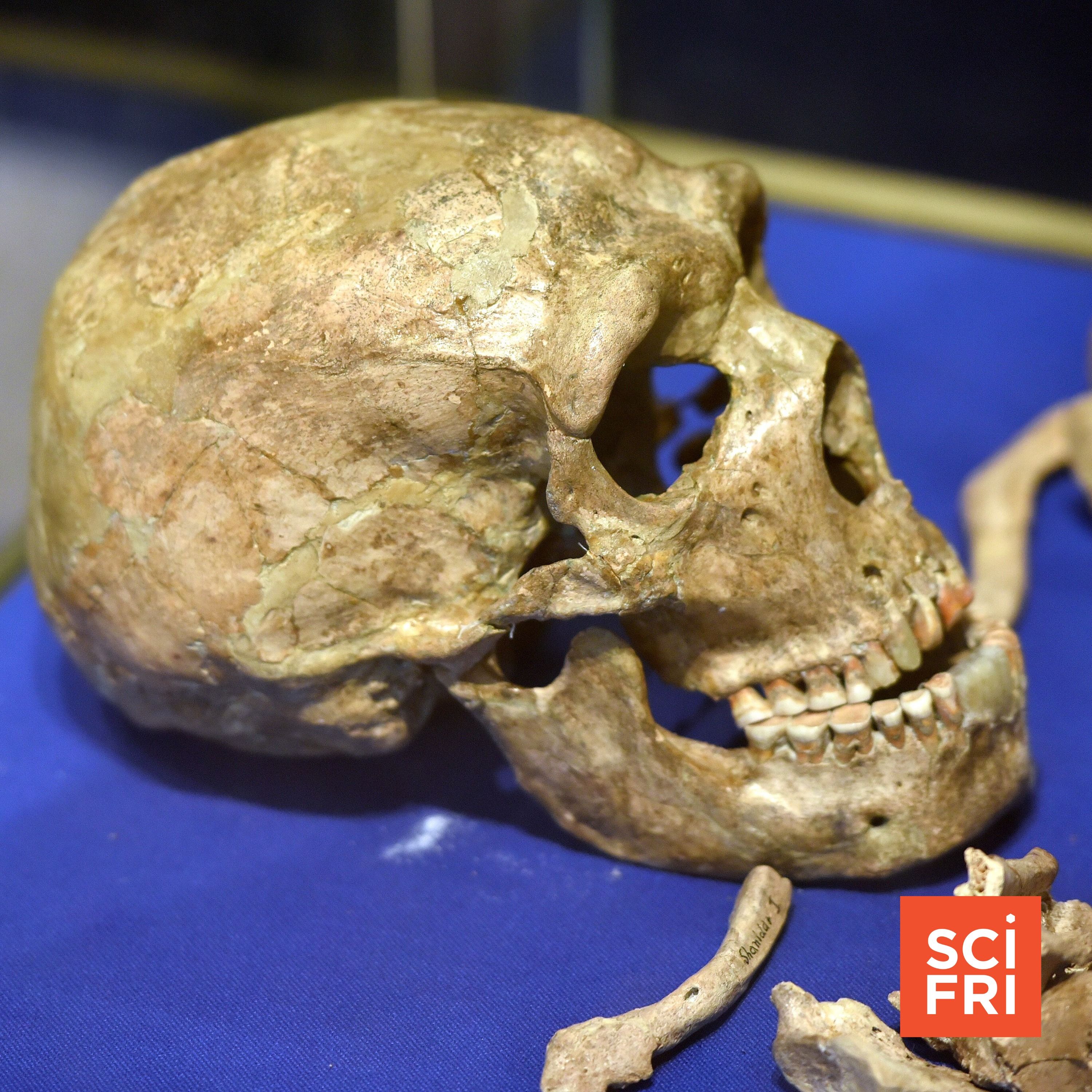
- Famous examples like Shanidar 1 show survival after multiple debilitating injuries, including blindness, hearing loss, and a severely impaired limb.
-
Neanderthals may have used herbal medicine.
- Evidence from dental calculus at El Sidrón includes traces of plants such as yarrow and chamomile, which have medicinal properties.
- Researchers also found evidence consistent with pain relief and antibiotic-like treatment.
-
They may have performed an early root canal.
- Wyrick describes a Neanderthal tooth with a painful abscess and evidence of treatment.
- The likely tool was a sharpened jasper implement, used to drill into the tooth and relieve pressure.
- The process may have taken 30–40 minutes and would have been extremely painful.
What Ancient Teeth Reveal
Dental calculus as a time capsule
- Dental plaque hardens into calculus, preserving microbes, food particles, and environmental traces over time.
- This allows scientists to study not just cavities and gum disease, but also:
- ancient diets
- oral microbiomes
- possible signs of chronic disease
- traces of medicinal substances
A new way to read health in the past
- Teeth preserve evidence of what people ate and what they used to treat illness.
- In one Neanderthal case, researchers found:
- tree bark compounds with pain-relieving properties
- Penicillium-like molds, which may have helped fight infection
- This suggests Neanderthals may have intentionally used natural substances as medicine.
Bigger Picture: What This Says About Neanderthals
- Neanderthals were likely intelligent, socially cooperative, and resourceful.
- Their care for injured members suggests a strong social system:
- someone had to administer treatment
- others likely helped stabilize and support the patient
- recovery required sustained group care
- The episode argues against the outdated image of Neanderthals as brutish and simplistic.
- Instead, they appear to have had:
- empathy
- practical medical knowledge
- cultural transmission of healing practices
Main Insight
The central message of the episode is that caregiving is deeply rooted in human evolution. Treating pain, helping the injured, and using knowledge of plants and tools to heal others were likely essential to survival long before modern medicine existed.
Notable Takeaway
Neanderthals were not just surviving in harsh conditions — they were likely helping each other survive.
That makes prehistoric medicine not only a story about biology, but also about compassion, cooperation, and culture.